
At DelightedCooking, we're committed to delivering accurate, trustworthy information. Our expert-authored content is rigorously fact-checked and sourced from credible authorities. Discover how we uphold the highest standards in providing you with reliable knowledge.
What is the Best Way to Store Produce?
 Michael Pollick
Michael Pollick
Michael Pollick
The best way to store produce depends on the type of produce being stored, as well as what types of fruits and vegetables are being stored together. It's also important to take into consideration which type of container to store produce in. For instance, some vegetables need to be stored in plastic bags, while others keep longer soaking in water. With the exception of root vegetables, it's generally fine to wash fruits and vegetables before storing them, as long a they're dry before they go into storage — excess moisture will speed up rot in most cases. When in doubt about the proper way to store produce, ask a professional grocer.
Storing Fruits

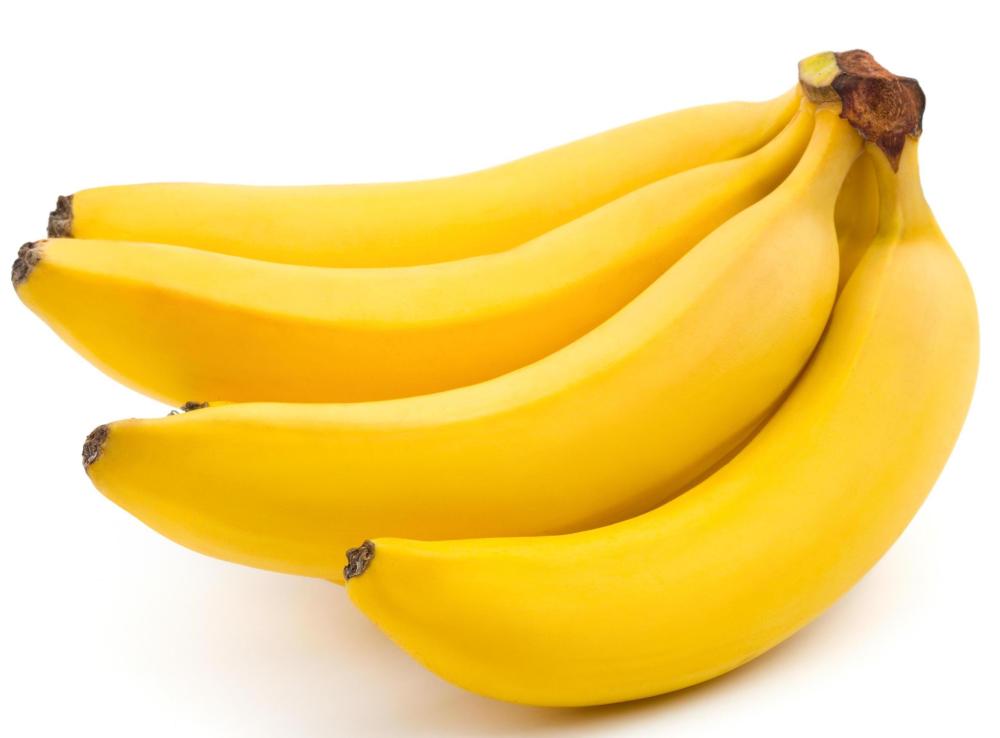
Most fruits, including apples, bananas, citrus fruits, peaches, and watermelons, should be left at room temperature for a few days to let them ripen, as long as their skins remain intact. After the fruit is ripe — or if it is cut — it should be stored in a refrigerator. Small pitted fruits should be put in a perforated plastic bag or in a cardboard box inside the refrigerator on a top shelf; the top shelves are slightly warmer than lower shelves, and usually closer to eye level so any rot can be seen right away. Most fruits can last for between four days and a week this way. Apples, bananas, nectarines, and melons should not be stored near other produce, since they release gases that can cause other fruits and vegetables to ripen too quickly.
Storing Berries and Mushrooms

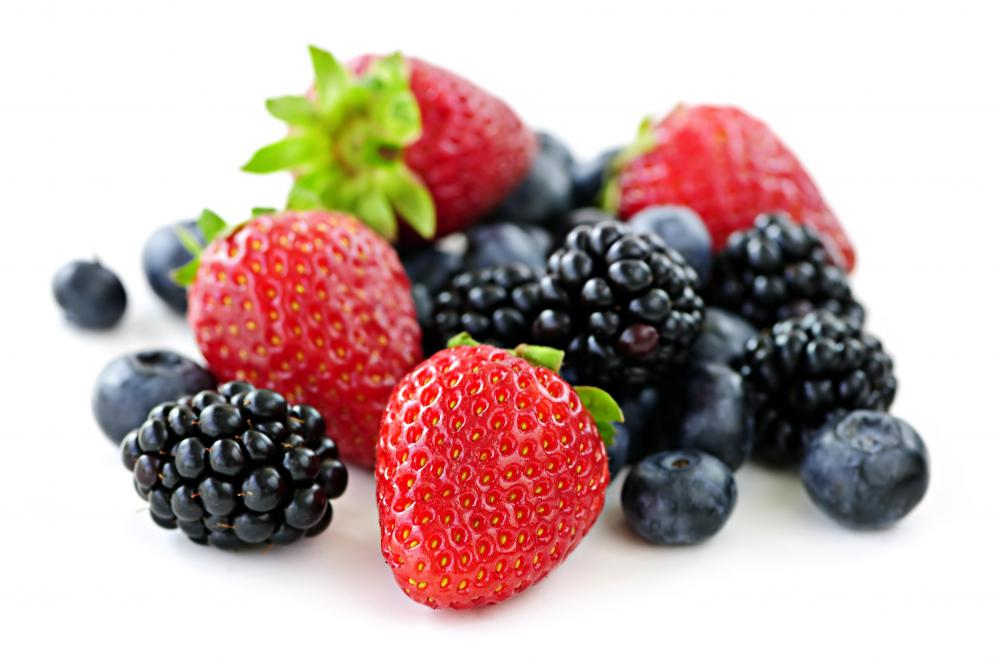
Storing berries and mushrooms can be tricky, since they're both rather delicate and tend to rot easily. Generally speaking, it's best to store produce like berries and mushrooms in a single layer in paper bags or loosely packed in cardboard boxes covered with a paper towel. Strawberries and blueberries generally last for up to a week, while raspberries and blackberries tend to go bad after two or three days. Mushrooms also tend to last for only a few days, though it's sometimes possible to extend their shelf life by putting a slightly damp paper towel on top of them. Neither berries nor mushrooms should be washed before storage.
Storing Root Vegetables and Pumpkins

The best way to store produce like root vegetables and pumpkins is not to put them in the refrigerator at all. Root vegetables like potatoes, yams, onions, garlic, and taro should generally be stored at around room temperature — no cooler than 50°F (10°C) — and should not be washed until just before they're used or they may rot more quickly. Onions and shallots can last for about a month this way, while garlic and potatoes can last for several months if properly stored. Pumpkins and similar vegetables, including gourds and winter squash, can usually last at room temperature for about two weeks.

Starchy vegetables should not be stored in the refrigerator, since the cold can cause them to become flavorless. Any that are stored in the cold should be allowed to warm up to room temperature several hours before they are used. It's important to check root vegetables for signs of rotting and spoilage periodically, especially if they're being stored for a long time.
Storing Leafy Greens and Herbs

It's best to eat leafy greens soon after buying them, though they can last for up to a week in the refrigerator. Full heads of lettuce, kale, chard, and bok choy can be put in the crisper to separate them from other foods or just on a refrigerator shelf as-is, while loose greens and herbs should be stored in an airtight container. These rot easily when wet, so it's often a good idea to put a paper towel in the container with them to absorb moisture, and you should check them periodically for signs of wilting. Never store produce like greens near most fruits, particularly apples and bananas, as this will make them go bad faster.
Storing Other Vegetables

Most other types of vegetables work fine stored in a perforated plastic bag in the crisper or on a refrigerator shelf. Celery, carrots, and asparagus tend to keep longer when stored in water or wrapped in a damp paper towel — asparagus will last for a few days this way; celery and carrots can last for a week or two. Anything with greens, like carrots or beets, should have the greens cut off before storage. Corn should be stored in the husk, where it can last for a few days.
Michael Pollick
A regular DelightedCooking contributor, Michael enjoys doing research in order to satisfy his wide-ranging curiosity about a variety of arcane topics. Before becoming a professional writer, Michael worked as an English tutor, poet, voice-over artist, and DJ.
Learn more...
Michael Pollick
A regular DelightedCooking contributor, Michael enjoys doing research in order to satisfy his wide-ranging curiosity about a variety of arcane topics. Before becoming a professional writer, Michael worked as an English tutor, poet, voice-over artist, and DJ.
Learn more...AS FEATURED ON:
AS FEATURED ON:


-
![Bananas may be stored at room temperature until they're fully ripened.]() By: Nikolai SorokinBananas may be stored at room temperature until they're fully ripened.
By: Nikolai SorokinBananas may be stored at room temperature until they're fully ripened. -
![Berries should be stored in the refrigerator in a single layer inside paper bags.]() By: ElenathewiseBerries should be stored in the refrigerator in a single layer inside paper bags.
By: ElenathewiseBerries should be stored in the refrigerator in a single layer inside paper bags. -
![Carrots can be stored in water, but potatoes must be kept dry to avoid getting rotten.]() By: Africa StudioCarrots can be stored in water, but potatoes must be kept dry to avoid getting rotten.
By: Africa StudioCarrots can be stored in water, but potatoes must be kept dry to avoid getting rotten. -
![Shallots should be stored at room temperature.]()
Shallots should be stored at room temperature. -
![Squash can last at room temperature for about two weeks.]() By: zach123Squash can last at room temperature for about two weeks.
By: zach123Squash can last at room temperature for about two weeks. -
![Melons should be stored away from other produce.]() By: Krzysiek z PocztyMelons should be stored away from other produce.
By: Krzysiek z PocztyMelons should be stored away from other produce. -
![Apples should be left to ripen at room temperature, then stored in the refrigerator.]() By: xiangdong LiApples should be left to ripen at room temperature, then stored in the refrigerator.
By: xiangdong LiApples should be left to ripen at room temperature, then stored in the refrigerator. -
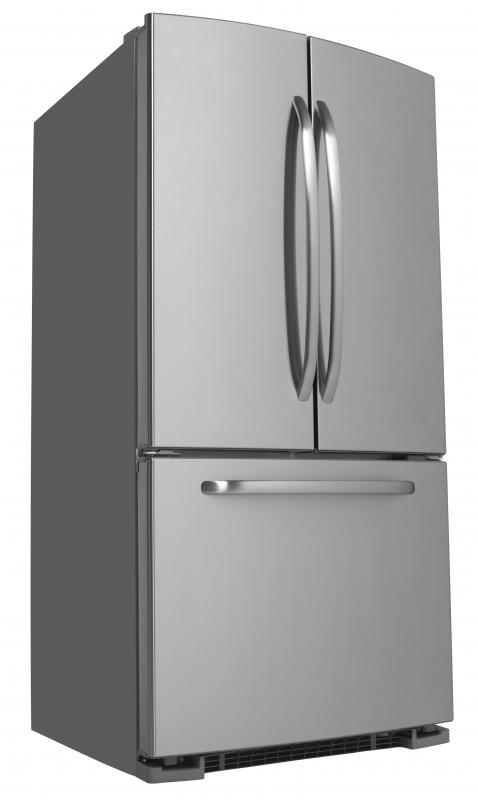
![Most produce should be stored in a refrigerator.]() By: Todd TaulmanMost produce should be stored in a refrigerator.
By: Todd TaulmanMost produce should be stored in a refrigerator. -
![Kale can be kept in the refrigerator crisper.]() By: silencefotoKale can be kept in the refrigerator crisper.
By: silencefotoKale can be kept in the refrigerator crisper. -
![Heads of lettuce are often kept in a crisper.]() By: geargodzHeads of lettuce are often kept in a crisper.
By: geargodzHeads of lettuce are often kept in a crisper. -
![The greens should be cut off beets before storage.]() By: matesThe greens should be cut off beets before storage.
By: matesThe greens should be cut off beets before storage. -
![Citrus fruits should ripen at room temperature for a few days.]() By: hanabiyoriCitrus fruits should ripen at room temperature for a few days.
By: hanabiyoriCitrus fruits should ripen at room temperature for a few days. -
![Yams should be stored at room temperature and washed only just before use.]() By: BillYams should be stored at room temperature and washed only just before use.
By: BillYams should be stored at room temperature and washed only just before use. -
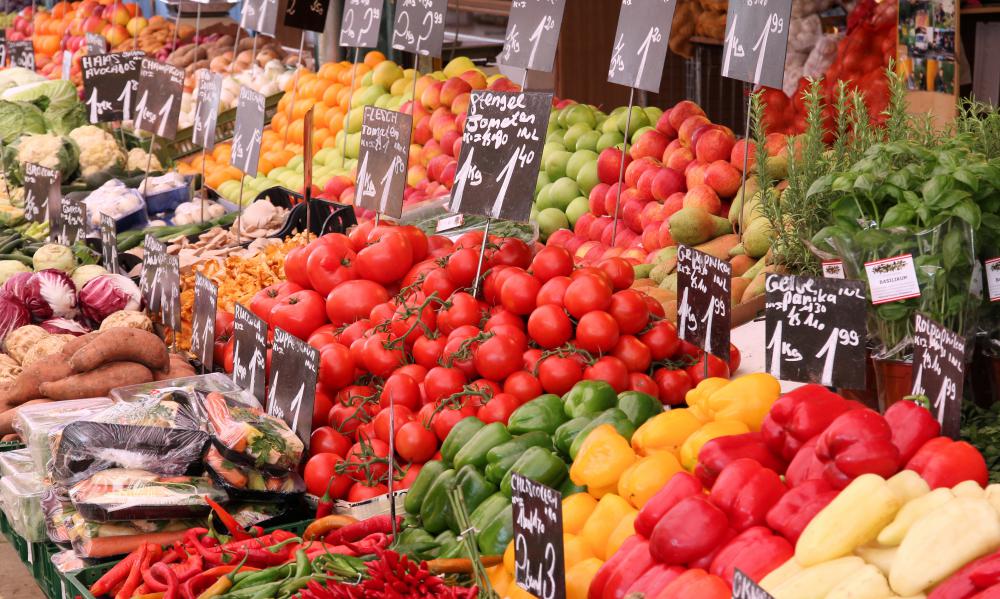
![Some vegetables are best stored in plastic bags, while others are better stored in water.]() By: TupungatoSome vegetables are best stored in plastic bags, while others are better stored in water.
By: TupungatoSome vegetables are best stored in plastic bags, while others are better stored in water. -
![Celery should be kept in water or wrapped in a damp paper towel and stored in the fridge to preserve freshness.]() By: andersphotoCelery should be kept in water or wrapped in a damp paper towel and stored in the fridge to preserve freshness.
By: andersphotoCelery should be kept in water or wrapped in a damp paper towel and stored in the fridge to preserve freshness. -
![Modern refrigerators should have a special place to place produce to keep it fresh.]() By: fuzzbonesModern refrigerators should have a special place to place produce to keep it fresh.
By: fuzzbonesModern refrigerators should have a special place to place produce to keep it fresh.






Discussion Comments
If you leave apples or other normally hard fruit out to ripen how do you know when it's ripe? How should you set those moisture control buttons on the fridge drawers? If there's one drawer above the other-is it preferable to put either fruit or vegetables on the top/bottom? Should you change the cold setting in summer/winter? Is there a 'final answer' on when a melon is ripe?
There are some golden rules I always follow when it comes to storing produce, most of which the article has mentioned. All unripe things must be at room temperature. Produce which must change color (like tomatoes or plums) should be in the sun. Ones that do not need to ripen (onions, shallots) should be in a cool, dark area in the house.
Produce that's prone to drying out should be put in the drawers in the fridge because it protects them from air circulation. Leafy vegetables should never be placed wet or moist in the fridge. They should always be dried out and preferably wrapped in some newspaper.
@anon100984-- Thanks for those tips!
I usually keep fresh whole ginger wrapped in a paper towel and inside a bag in the fridge. It keeps fresh for a very long time but the part that's cut always dries out. I will try freezing it next time.
I'm not too sure about the onions though. Wouldn't it still smell through the jar? I always keep my onions and garlic out. I used to have a roommate that would keep all the onions in the fridge. Sometimes she would use half an onion and put the other half in the fridge just like that. I hated that. The fridge used to stink!
I have some avocados that I've been waiting to have ripen for over a week. They're just sitting out on the kitchen shelf. Am I doing something wrong? How can I get them to ripen faster?
An E.G.G., Ethylene Gas Guardian, absorbs that ethylene, and preserves the freshness of your produce. You’ll be amazed at how much less food you’ll waste, and how much money you’ll save.
I have been trying to convince my wife that it is best to store root veggies not in the fridge for ages
I finally did just before christmas, but to my horror they have all gone bad sooner then when we have had them in the fridge.
I am guessing this must be due to moisture left on them from the supermarket because i have always thought it best to keep them in a ventilated rack at room temp.
I would love to hear what you think, please.
A Japanese lady told me to store ginger in a plastic baggie in the freezer. When needed, simply grate the required amount. Put it back in the freezer to keep fresh for months and months.
And, I store my partially used onion in the fridge in a jar with a tight lid. It keeps for a long time and doesn't smell.
Apples last relatively long on their own, but to prolong their shelf life and keep them fresh, wet them with water and place in a plastic bag.
Seal and keep in refrigerator. They will be good for a very long time.
How to preserve all vegetables in room temperature without refrigerator? Can anyone suggest please?
what is the best way of storing processed produce products?
If you have left over ginger, just place it in refrigerator. No need to wrap it up. Keeping ginger in the cool place will keep it fresh for a few weeks.
Potatoes, onion and garlic prefer a cool, dark place, similar to the environment where they were growing. They do better when stored separately, though, so each one should preferably have its own basket. If stored together, garlics aroma can permeate through the rest, and onion rots faster in the presence of potatoes, because of the moisture.
I have found out that it is not a good idea to store any produce, or any other food for that matter, including wine, on the top of the refrigerator. It is warmer there, so food spoils faster.
Post your comments