
At WiseGEEK, we're committed to delivering accurate, trustworthy information. Our expert-authored content is rigorously fact-checked and sourced from credible authorities. Discover how we uphold the highest standards in providing you with reliable knowledge.
What is the Best Way to Remove Mold from my Home?
The best way to remove mold from a home depends on the type of mold, but removal should be thorough in any case. Surface mold can grow in nearly any damp, dark, or cool location and is very common in bathtubs and shower walls, bathroom tiles, and the laundry areas of basements. Hidden mold may be of more consequence than surface mold and is definitely more difficult to remove.
To remove mold from the surface of tile or concrete, simply clean the area with a mixture of one part bleach to ten parts water. You can add a small amount of dishwashing detergent to make the mixture more fragrant. Bleach is only effective as a way to remove mold on hard surfaces that are not porous.

To remove mold beneath or behind structural components of your house, including drywall and carpeting, you will need to take some precautions. Mold releases spores into the air, which can be harmful to breathe. If you have allergies, asthma, or a suppressed immune system and need to remove mold covering an area of more than 1 or 2 square feet (0.09 to 0.18 square meters), you should contact a professional.

Whenever you remove mold that has gone untreated for a length of time, you run the risk of contaminating other areas of the home when the mold becomes exposed to the air. Always wear gloves, a respirator, and protective eye wear. Also, be sure either to wear clothes you can toss when you're done working or to wash the clothes thoroughly in hot water and bleach by themselves.

To remove mold infestation behind a wall, cut away the affected drywall, which will have black spotty stains and will likely be soft to the touch, and dispose of it. Be sure to use precautions around electrical wiring when removing the moldy drywall. It is not possible to completely remove mold from porous surfaces, so drywall, wallpaper, and other similar items should be removed and disposed of.

If you have reached this point in your mold removal, you might find that some of the wall studs behind the drywall are also mold infested. It may be possible to sand the studs to remove small areas of mold, but a more significant infestation will probably need to be removed by a professional. Make sure any leaks or other moisture sources are repaired and create a ventilation system so that problems do not reoccur. When you have sufficiently removed the mold, you can repair the drywall.

If you need to remove mold from underneath carpeting, you will have to rip out and dispose of the carpet and padding. Wrap it in plastic before removing it through other parts of the house for disposal. Once the carpet and padding are removed, make sure the mold has not spread to the subfloor. Repair any damage to the subfloor before recarpeting.
The best way to deal with mold is to prevent it. It is pointless to remove mold from an area that will continue to be affected by dampness. If you have discovered mold by the tell-tale musty smell or dark spotty surfaces, you need to investigate for water leaks. Repairing any leaks is the only way to keep the mold from returning.
In severe cases, a complete mold abatement may be necessary. If you are concerned that large areas of your home are infested with mold, call an environmental professional or your local health department for referrals to a professional abatement service.
AS FEATURED ON:
AS FEATURED ON:









-
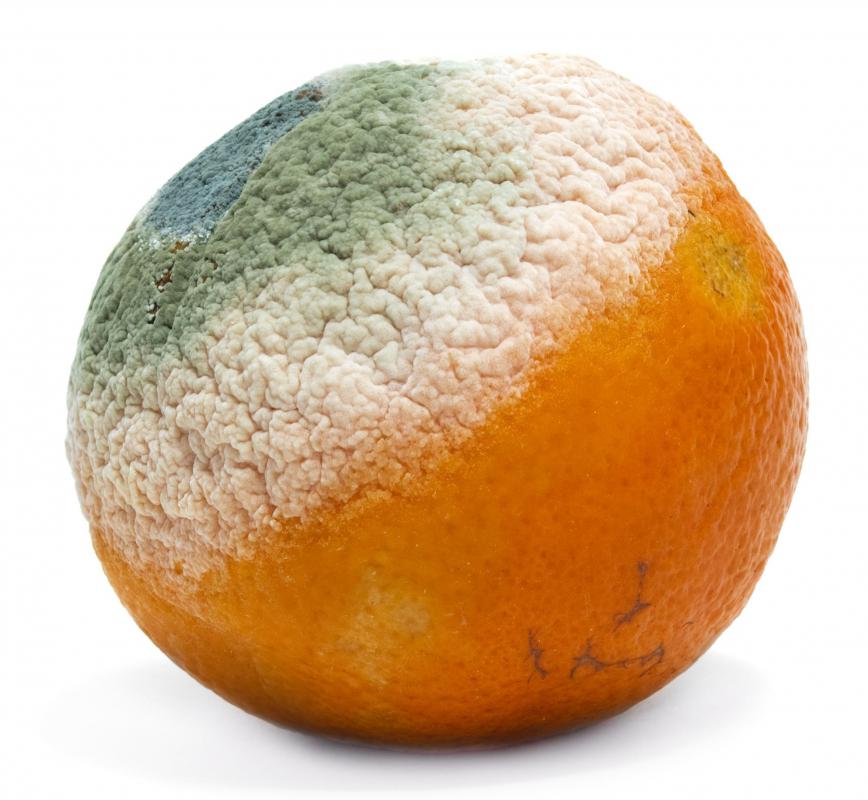
![An orange with mold on it.]() By: nitoAn orange with mold on it.
By: nitoAn orange with mold on it. -
![Dish detergent may be added to a bleach solution to make it more fragrant.]() By: Dmytro SukharevskyyDish detergent may be added to a bleach solution to make it more fragrant.
By: Dmytro SukharevskyyDish detergent may be added to a bleach solution to make it more fragrant. -
![Be sure to clean mold thoroughly in the home.]() By: Odua ImagesBe sure to clean mold thoroughly in the home.
By: Odua ImagesBe sure to clean mold thoroughly in the home. -
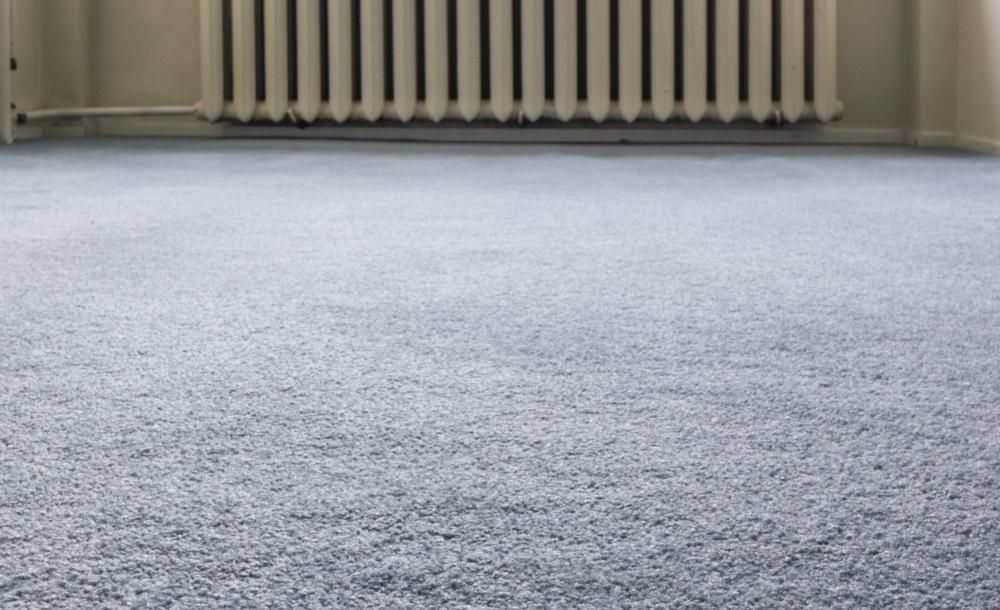
![To remove mold from underneath your carpet, you must remove and throw out the carpet and padding.]() By: maigiTo remove mold from underneath your carpet, you must remove and throw out the carpet and padding.
By: maigiTo remove mold from underneath your carpet, you must remove and throw out the carpet and padding. -
![A bleach and water solution can be used to kill mold on hard, nonporous surfaces.]() By: design56A bleach and water solution can be used to kill mold on hard, nonporous surfaces.
By: design56A bleach and water solution can be used to kill mold on hard, nonporous surfaces.



Discussion Comments
So, can I say "duh" on this forum? If you have mold, rip out all the stuff that's moldy and throw it away - duh!
How about I don't want to throw my house away or whole walls within my house away?
Once you have thrown away all the 'pieces' of the damaged house that you can, you need to use a chemical mixture that eradicates the mold spore to the root, and that (according to my research) is a mixture that includes an antimicrobial agent like triclosan.
i think this stuff is in the air inside my home. will a hepa filtration system with a UV light get rid of it?
Mold is not killed by bleach. Keep the house dry and warm.
Bleach does not kill mold.
Not very "wise". Chlorine bleach on the wall studs will only kill the surface mold. It will not kill the roots. So months later it will reappear under your new drywall.
We live in a house made of cypress wood. it is painted white. the whole porch looks like it is covered with light blackish mold. one part is really dark black. is this black mold??
I had 4-5 feet of storm surge water from Ike in my home. There are 2 things I have heard conflicting statements about: can you answer?
1) Should the drywall be romed all the way to the ceiling? (I am very sensitive to mold) &
2) Should tile be removed from the floor or just cleaned & sprayed with antimicrobial spray (will this kill mold permanently in the grout)? I have heard that the spores in the grout can get under the tile. (the base is concrete slab)
Thanks Judy
If I toss a musty (may be a spot or two of mold) woolen shawl/scarf/stole in the clothes dryer on high heat will it kill the mold spores? If so how long does it need to be in the dryer?
Post your comments