
At HomeQuestionsAnswered, we're committed to delivering accurate, trustworthy information. Our expert-authored content is rigorously fact-checked and sourced from credible authorities. Discover how we uphold the highest standards in providing you with reliable knowledge.
What is the Best Way to Loosen a Rusted Screw?
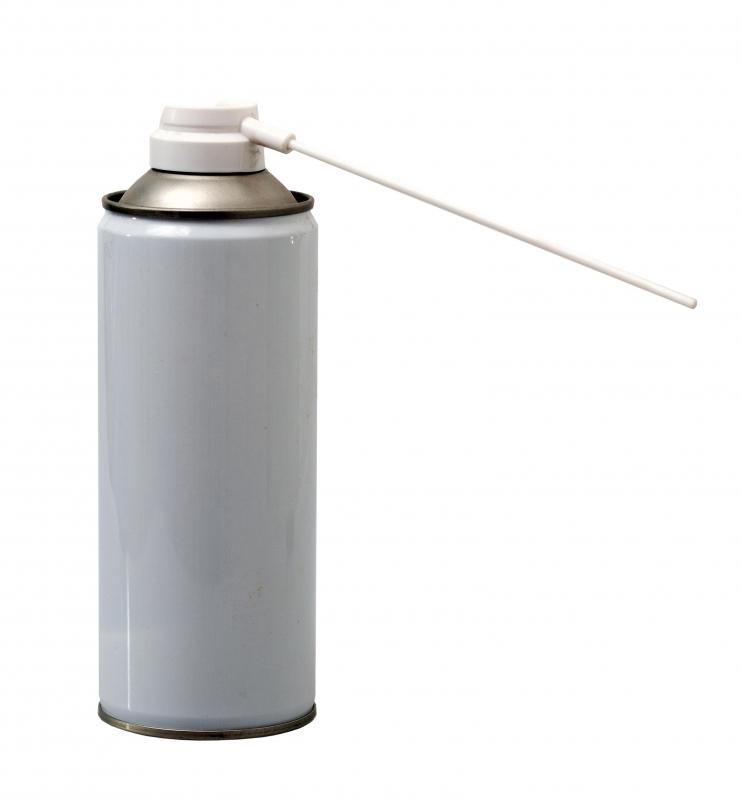
The recipe to loosen a rusted screw is a relatively simple one. To dissolve the corrosive seal, use a penetrating oil spray, such as WD-40®. Spray the screw head and allow one or two minutes for the lubricant to penetrate the corrosion around the screw. As an alternative, you can try brushing kerosene on it. At this point, avoid using a power tool to remove the screw, since the potential to strip the head is too great. Instead, choose a screwdriver with an excellent fit for the head of the screw.
If a flathead is required, be sure the tip fills the slotted head of the rusted screw securely and is not too thin for the slot or too narrow for the screw head. A Phillips screwdriver head should likewise provide good bite into the head. If the tool tip shifts position within the screw’s head, it's too small. If it doesn’t fit securely into the head, it's too large.

With the correct screwdriver inserted, apply significant pressure by leaning into the screw. This keeps the screwdriver from slipping and possibly stripping the head, and it also creates better bite. Attempt to loosen the rusted screw by turning it counter-clockwise. It may take a moment or two of constant torque to crack the seal and get the screw moving.

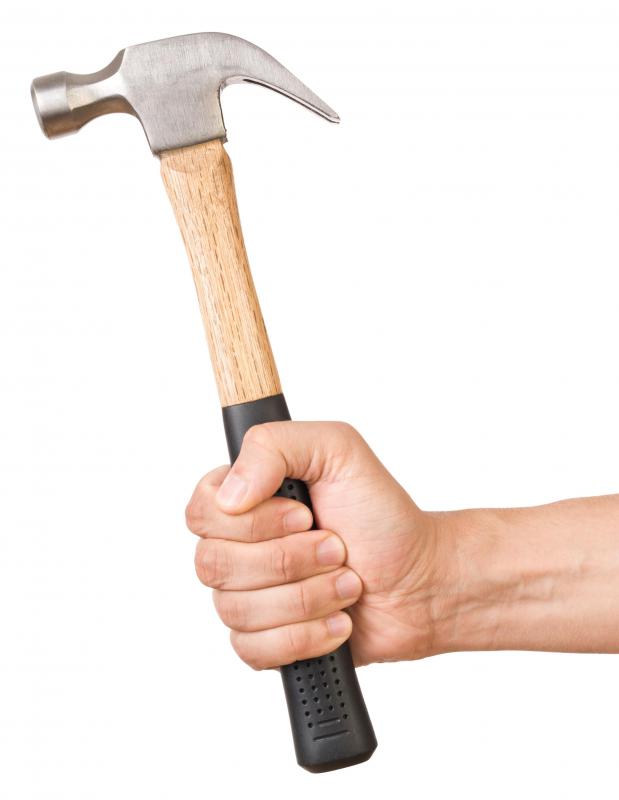
If the first attempt does not work, apply more lubricant and try gently tapping the screw’s head from all angles. You might also insert your screwdriver tip and use a hammer to lightly tap downwards a few times. This can help to break the corrosive seal. Try turning the screw again.
If the head of the screw becomes stripped or damaged, or it simply won’t budge, you may need to resort to a powered screw extractor. There are several models, but in essence, these tools drill into the screw itself counter-clockwise, using a reverse thread. Note that some screw extractors have the potential to ruin the threads of the screw hole, requiring it to be re-tapped afterwards. Screw extractors are a last resort when manual removal has failed.
Screw extractors and lubricants are available at hardware stores everywhere. When a rusted screw is removed, it is best to replace it with a new one, even if the original screw is otherwise undamaged.
AS FEATURED ON:
AS FEATURED ON:


-
![A rusted bolt.]() By: AndreasJA rusted bolt.
By: AndreasJA rusted bolt. -
![Lubricants can be very useful in the removal of rusted screws and often come in aerosol cans.]() By: Marcin SadlowskiLubricants can be very useful in the removal of rusted screws and often come in aerosol cans.
By: Marcin SadlowskiLubricants can be very useful in the removal of rusted screws and often come in aerosol cans. -
![An air wrench may be needed to remove a rusted screw.]() By: Konstantin KulikovAn air wrench may be needed to remove a rusted screw.
By: Konstantin KulikovAn air wrench may be needed to remove a rusted screw. -
![Screwdrivers should fit snugly into the screw, without wiggle room or slippage while turned.]() By: Sergii FigurnyiScrewdrivers should fit snugly into the screw, without wiggle room or slippage while turned.
By: Sergii FigurnyiScrewdrivers should fit snugly into the screw, without wiggle room or slippage while turned. -
![A screwdriver and a hammer may be used to break the corrosive seal on a rusted screw.]() By: donatas1205A screwdriver and a hammer may be used to break the corrosive seal on a rusted screw.
By: donatas1205A screwdriver and a hammer may be used to break the corrosive seal on a rusted screw.



Discussion Comments
I have some way cool Japanese screw pliers called Neji-Saurus (screw dinosaur!), which whip screws with stripped heads out in a jiffy (trust the clever Japanese to come up with a simple solution).
your idea to use a thicker slotted head to unscrew the rusted screw worked in seconds! Thank you much!
Yes, anon12934. I thought the same way. Thanks for posting.
I've found that it is easier after you spray the screw and wait to first try to tighten it just a bit. I've found that it loosens easier.
When possible I use vise grips on stripped out screw heads to bite the sides of a screw before resorting to a screw extractor.
Post your comments