
At TheHealthBoard, we're committed to delivering accurate, trustworthy information. Our expert-authored content is rigorously fact-checked and sourced from credible authorities. Discover how we uphold the highest standards in providing you with reliable knowledge.
What is THC?
 Tricia Christensen
Tricia Christensen
Tricia Christensen
THC, short for tetrahydrocannabinol, is a chemical compound found in the cannabis plant, also known as marijuana. When used, either through ingestion or inhalation, it binds to specific receptors in the brain called cannabinoid receptors. In low doses, the compound causes some pain reduction, may reduce aggression, can stimulate appetite, and may help reduce nausea. Higher doses may cause the “high” associated with marijuana, leading to altered perception of time and space, and feelings of happiness or fatigue.
Lab-produced forms of the chemical are often preferable in countries where the use of cannabis is illegal. The prescription drug Marinol®, containing lab-created THC, is used to treat eating disorders, to help relieve the side effects of chemotherapy, and to help counteract the devastating effects of full-blown AIDS. The compound has also been researched for its possible benefits in reducing the tics caused by people with Tourette Syndrome, and early research in this area suggests that it may be beneficial in this regard.

It should be noted that many people who take the prescription drug and who have also used THC in more natural forms, feel that the chemical derived from cannabis is significantly more effective. This has been a growing issue, as the uses of the compound have now been proven to have specific benefit to people with a variety of conditions. The war on drugs in the US makes it very difficult to obtain cannabis legally in many places, though there are a few states or cities that provide limited access for people with certain illnesses. Many willfully break the law, however, because they feel that cannabis provides better relief from their symptoms than synthetics.

The negative associations with drug use have, according to many patients, led to prejudice against THC. Some medical professionals note that medications that could have far more devastating effects than marijuana are used and prescribed legally in many places. Further, researchers are now also finding that this compound may provide relief for other extremely serious conditions. In several studies on mice, it has been found to reduce tumor growth, and a 2006 study also suggests that it might reduce plaque formation in the brain and either delay the onset or reduce the severity of Alzheimer’s disease. Additional studies indicate that THC could reduce painful spasms in people with multiple sclerosis and may help control the symptoms of Parkinson’s disease.

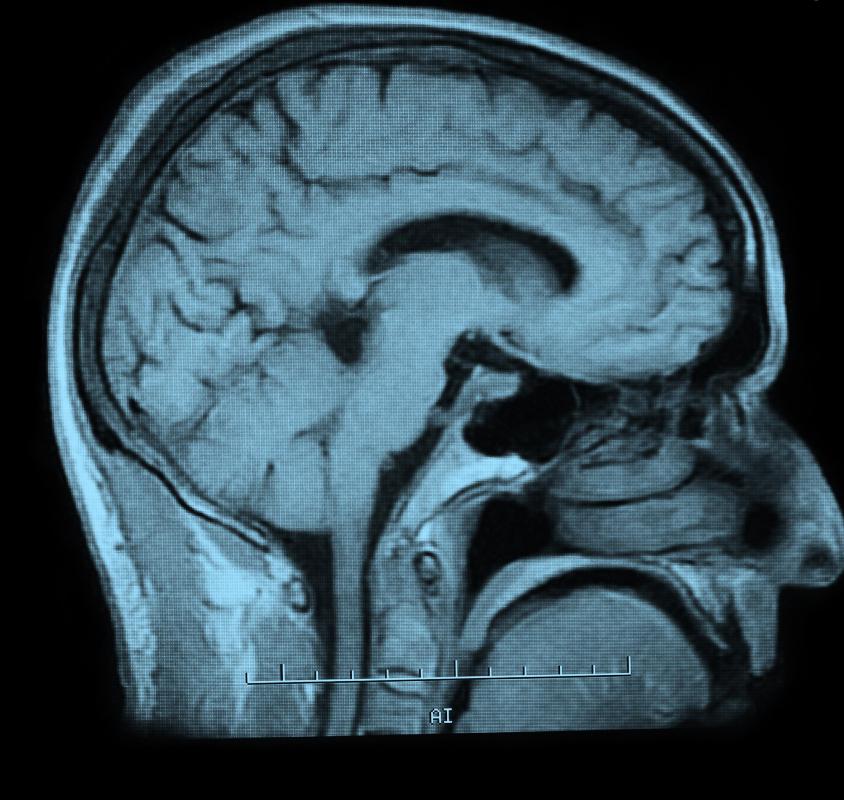
Although it is addictive, marijuana is not considered a highly addictive drug, and studies that suggest extended use of marijuana disrupts brain function have recently been called into question. Control group studies on habitual marijuana users show very little difference in MRI scans than in those who do not use it. Many cannabis advocacy groups, and many medical researchers, continue to advocate for people to have, at the very least, prescription access to THC derived from cannabis. It remains to be seen whether these groups will ever be able to successfully legalize cannabis as medication in the US, given the public opinion that exists against it in many locations.
Tricia Christensen
Tricia has a Literature degree from Sonoma State University and has been a frequent TheHealthBoard contributor for many years. She is especially passionate about reading and writing, although her other interests include medicine, art, film, history, politics, ethics, and religion. Tricia lives in Northern California and is currently working on her first novel.
Learn more...
Tricia Christensen
Tricia has a Literature degree from Sonoma State University and has been a frequent TheHealthBoard contributor for many years. She is especially passionate about reading and writing, although her other interests include medicine, art, film, history, politics, ethics, and religion. Tricia lives in Northern California and is currently working on her first novel.
Learn more...AS FEATURED ON:
AS FEATURED ON:


-
![THC is found in marijuana plants.]() By: Boyan DimitrovTHC is found in marijuana plants.
By: Boyan DimitrovTHC is found in marijuana plants. -
![High doses of THC cause the “high” associated with marijuana, leading to altered perception of time and space, and feelings of happiness or fatigue.]() By: WranglerHigh doses of THC cause the “high” associated with marijuana, leading to altered perception of time and space, and feelings of happiness or fatigue.
By: WranglerHigh doses of THC cause the “high” associated with marijuana, leading to altered perception of time and space, and feelings of happiness or fatigue. -
![THC, an element in cannabis, has been shown to reduce tumor growth in mice.]() By: FikMikTHC, an element in cannabis, has been shown to reduce tumor growth in mice.
By: FikMikTHC, an element in cannabis, has been shown to reduce tumor growth in mice. -
![Some studies have suggested that brain MRIs of habitual marijuana users shows little differences from those of non users.]() By: CGinspirationSome studies have suggested that brain MRIs of habitual marijuana users shows little differences from those of non users.
By: CGinspirationSome studies have suggested that brain MRIs of habitual marijuana users shows little differences from those of non users. -
![Cannabis may cause dry mouth and tooth decay.]() By: Igor GromoffCannabis may cause dry mouth and tooth decay.
By: Igor GromoffCannabis may cause dry mouth and tooth decay.



Discussion Comments
Don't legalize it. It literally destroys you.
Having experienced both sides of the coin, I can honestly say that the substance has both positive and negative effects. It is a marvelous pain reliever when brewed into tea and has absolutely zero side effects or narcotic effects. I know healers who use it consistently to get patients off morphine, etc. It also assisted my father who had serious Alzheimer’s, and when given minute doses of 'tar,' it had a very positive effect on his brain.
However, and I feel the need to stress this point, I was involved for 13 years with a wonderful man in a fantastically synergistic relationship and I thought he would remain my life partner. He was originally an intermittent weed smoker and then over the years began smoking more and more -- even his smoking habit increased in order to add some weed as often as he possibly could.
In the past two or three years, his personality changed increasingly into someone I knew no longer, became furtive, lazy, uncaring, moody, OCD. He will spend three days obsessively watching videos (albeit informative ones) and crashing for 24 hours straight to try and recover. He has no interest in working unless absolutely necessary. His personality changed from a really pleasant, caring and interesting guy into obsessively covert, dishonest, immoral, uncaring (in all possible ways, including personal hygiene) and an OCD talker on only one subject, repeating himself over and over to the point that no one wanted to interact with him further.
He left unceremoniously after we had built a life together that was heading towards assisting underprivileged people in a wonderful way. He basically zeroed his brain out with the stuff to the point where he had zero feelings left for anything and absolutely no sense of responsibility.
Sorry to say this to those out there who are smoking this -- fine if you are not affecting those around you who believe in you and have built a life with you, but stop to think what it could do if you continue with anything more than absolutely minimal, recreational usage. Smoking the stuff even several times a week causes brain changes. You just don't notice it, but ask those around you who know you and be receptive to their opinions. All I'm saying is think carefully and stay caring about yourselves and your loved ones. You may live to regret your choices -- like he may if he ever wakes up from his stupor.
After reading some of these comments, I wonder what people really have going on in their lives to have some of the opinions that they have. I've smoked weed now for about 11 years. To those who have said their loved ones have mood changes without it, for the worst, they need help. There's something else that they are hiding from and choose not to deal with. I, myself, have had none of the negative side effects. It is my way to relax after a hard day's work. I work two jobs and have to come home to a messy roommate who does not know how to properly do anything unless it's halfway. Smoking is my way to relax. It is my way to help sleep. It has been the only thing to help me relax, de-stress, and get a proper night's sleep. I'm not dependent on it. For those who are, it's in the head. It's a habit formed, just like smoking cigs. One thinks they really want/need it, but they don't.
I'm not a druggie or a junkie. I've only ever have used weed, and to me, it is not a drug. Those are things taken out of their raw forms and altered by man. Pot is just a plant unaltered from its true form.
My view on it is, if you don't like it, then don't do it. And for those of us that do like to smoke, don't hate or judge. The majority of us are hard working, responsible individuals. Not addicts.
Have there been any studies done on the use of low THC cannabis, for the reduction of tobacco use? Besides, of course, the effect it would have on the tobacco industry and taxation for lost revenue.
I smoke weed so I can cope with the straight A's I make in college while going for my masters. Oh, did I mention I also served four years in the Marine Corps? I am a hard worker and I strive to be the best.
Marijuana does not affect what I want in life. People who blame marijuana are just ignorant of the fact that it does not control your life. It's like the people who think that science denies god. Wrong. Dumb people make me laugh.
The only reason its illegal is because the government cannot tax it. What's with saying that all smokers are bad people? What about drunk people then? They cause more trouble than we do.
Oh, and why would you want to drink yourself to death on alcohol and smoke yourself to death on tobacco, when you can sit there with a joint an not overdose? It's proven to create brain cells.
I can't get angry because I'm too relaxed.
I'm sorry I get like this but I have had three friends die of alcohol poisoning, four from drinking while driving and two because of lung failure caused by tobacco and 0 due to smoking weed.
Oh, and the main reason why I smoke weed is it costs me almost £100 to go into town, buy a bus ticket, buy a cinema ticket, go to McDonald's and also get a pair of jeans.
Or instead, I could pick up £20 worth of weed, smoke up with some friends and sit around a fire talking about whatever. What's wrong with that?
"I thought when I started dating him he would change..."
Hey here's an idea, if it bothers you so much, ask them to quit before you get married! Whoa! Who would have thought of that? And just because you seem to have found one of the stereotypical junkies and married him, don't take it out on us responsible weed smokers, O.K.?
@anon88203: Why the hell would you smoke weed in fourth grade?
@anon128824: Sounds like the problem is it being illegal there. And did you really throw the "Would your parents be proud?" line? Would your parents be proud that you touch yourself? No, so find a different way to have fun.
@anon166760: Well hey, that is their personal choice. I have smoked weed for three years and I still never want to touch heroin or cocaine. In my opinion, the gateway drugs to heroin are the legal Vicodin and Oxycontin. Grow up and realize the "pot is a gateway drug" is just outdated propaganda. Your friends who went on to do coke and heroin are just natural junkies.
@anon166760: Seriously. Nobody has ever hit their kid? Oh, even better, nobody has ever hit them while drunk? And considering weed is a naturally growing plant, it's never going away.
@anon235066: Yeah I'd still smoke. Not everyone smokes weed to hide from problems. And not everyone smokes it to get high. I don't understand the mentality of, "Oh you do drugs? You must have some issues you're hiding from, there's no way you just generally are interested in it."
I hope weed does not become legal in the US because it would screw this world up and it will never be the same again.
All those who talk about how weed makes people lazy and irresponsible, please explain to me all the people I know (including myself) who only smoke occasionally or on weekends and still hold down a full time job, pay all their bills and take care of their families. I'll bet you didn't know such people existed.
If it makes a person lazy, I would have to point out that there is nothing wrong with being lazy on your own time. I personally only smoke four or five times a year and plan ahead of time for it. It is a special occasion for me and I don't want to turn it into a routine.
Not that I personally think there is anything wrong with that, either. It is my personal preference. Anyway, it seems the people on here making the most negative comments are the ones who have never used it. It's like a celibate priest offering an opinion about how sex affects the brain. They opinions are based on complete ignorance of the subject.
I thought when I started dating him he would change, that when we married he would – let’s say – grow up, quit smoking pot. But he didn’t.
If you are dating someone who smokes pot, do not make the mistake of thinking that they will quit for you once you get married and start a family.
My husband has been smoking pot for over 30 years. He is addicted to it. He smokes throughout the day and even wakes up in the night to smoke it.
When he is out of pot, his mood changes and he is rude to everyone, with bitterness and bad attitude, short with words and says ugly things to his own loved ones. He is “jonesing,” as I call it. It has distanced his one and only child from him, the love of his life. She can’t stand how rude he is to me, to her, to my children.
It is terribly expensive. He would rather buy pot than save money, pay bills on time. Expensive!
A psychologist once told him pot was illegal but beer isn't. I was flabbergasted. So he started drinking more beer!
The money spent on his addictions has degraded our lives. We could have home improvement weekends, like fixing the pool, painting the walls… But there is no money for it.
Just saying, think about who you want to spend your life with and that pot is bad when it has become an addiction to the point where you have to smoke it day and night and be faced with one hell of a jerk when it has run out.
I am considering asking him to ask his doctor for THC. Or a divorce.
My question for anyone who uses weed is 'what problems are you unable to cope with or confront and so weed helps you escape from them.' And if you could confront those problems or if those problems didn't exist, would you still smoke?
One last thing: There are many other areas that one survives on outside of oneself. But the weed smoker will never know or care about this because they are too much in their own heads.
So if you're at all concerned about our country, where it's going and why it's gotten so bad? Think about the fact that someone wants the population drugged and unaware so they can do whatever they want to. 'Nuff said.
indians smoked weed way before they smoked tobacco.
I started high school thinking that if I started smoking I would fail. I was getting low C's freshman year and was looking at going lower. I started smoking for recreation and then realized it helped me focus. I now smoke a very small amount at 4, spend 30 minutes to relax and enjoy it and then do all of my homework and study for everything, but the thing is I now find doing homework enjoyable and I am able to remember everything and am in full control.
If it was legal I would smoke it just as I drink. Every so often. Not even every weekend. I would choose it over drinking even. It does need to be regulated like all things. No driving, going to work, or operating heavy machinery while using.
I don't see why people make such a big deal out of it, though. Money and the government, gateway drug theory? One day it will be legal and just like cigarettes, there will be smoker designated spaces so as not to upset the people who would prefer not to use. Freedom at its best. It's as simple as that in my eyes.
I'm just going to say this. Weed changes people sometimes and makes them act differently. I'm 15 and I have my brother who deals and is addicted to weed and my sister who's addicted and doesn't try anymore. My father smokes up, but for medical reasons and I have a boyfriend who does it three times at school every day.
Most of my friends do weed. Most of my freaking town does weed. But weed is a gateway drug. All of you may say it's not a bad drug, but have you talked to someone who's on harder crap like heroin or cocaine? They all say weed was their start up, and they no longer got the "buzz" so they tried something different. So before you say anything about it's not bad, or it helps, well, it doesn't. I know too many people who I love go down the same road.
You know what? I actually hurt so much nowadays because I've seen effects and changes and I know exactly how these people were before they started. People change more and more with weed so screw "facts." I don't care if it helps anything. Weed is bad for everyone around the person. Think about the effects on your loved ones and what it may have done to your relationships before you say that a drug is good.
I'm 15 and the youngest of the family. You don't know how much pain I feel every night from how much people change. And as for the violence thing? My dad hit me when he was high. I personally hope weed is not legalized and weed then all goes away and burns or just dies, I don't know. I just want it gone.
If the government legalized marijuana they would sell and tax it, though a lot of people would grow their own. but the government would be no worse off with it legalized.
I just want to say that weed does not make you stupid. Here's some proof: I am the valedictorian of my class of over 950 kids. The best part is I smoke pot every single day. It has helped me focus more and has given me a way to better look at things. I used to be a C student until I got into high school and started smoking. My teachers say they love reading my essays and that they're filled with creativity. So saying weed kills brain cells is a complete lie.
pharmaceutical companies would go belly up overnight if weed were legalized, thus, it would screw the health care system up worse than it is now.
it's OK to go to spend 75 bucks for a typical doctor visit in order to get a script for some cheesy expensive anti depressant medication. yet it's illegal to burn a dime bag. do some research, and see how much money americans spend on anti depressants each year. Again, big government can't make big money if pot were legalized.
I think it should be legal at a certain age. The U.S. should have thought of all the strings attached when they made tobaco legal.
I hate tobacco but we're all grown and should be able to smoke. If I smoke any other herbal plant they wouldn't give a rat's behind. Q: Why marijuana! A: Brown countries!
Q.)Why do so many people out there believe that Marijuana use is unhealthy or dangerous?
A.)It frustrates me to see how uninformed some people are about the effects of using Marijuana. If anyone has ever told you that using Marijuana causes any sort of unhealthy, permanent damage to the body, they're completely uniformed. In fact, using Marijuana has been proven to be healthy to the body.
In 2006, research proved that smoking Marijuana increases risk of lung cancer by 00.00 percent. It has also been proven that it doesn't harm brain cells whatsoever. The reason so many people are uniformed on this subject is because just about everyone working in the US government are paid to "suggest" these "dangers" publicly.
Most of those people who spread the rumors about Marijuana being a harmful narcotic know that it is truly not harmful.
Q.)Why spread these rumors if they could just decriminalize Marijuana and make this country less violent by reducing drug wars?
A.)Simple. The government would never be able to make nearly as much money from Marijuana as they already do. Nearly 1 million US citizens are charged with some level of possession of Marijuana each year. That's a huge amount of money in fines. Plus, a majority of those "criminals" are forced to go to narcotic rehab facilities.
Think of all the money they get from that. If it were legalized, there would be no need for people to go out and buy the government's stuff. Marijuana is actually a very easy plant to grow and every household could sustain their own lifetime regenerating supply without it being noticeably different than any other household plants. Plus, it would take decades for the government to develop farms where they could mass produce enough great quality cannabis to sell at a fair price that they would actually make a profit off of. They would have to be able to sell it at around the same price as tobacco when right now it is worth more ounce for ounce than gold.
They would lose money for decades and it would take even longer for them to perfect it and make that money back to start making profit. The government's top priority is money.
Therefore, if they don't make more money off it being legal than illegal, it won't be legal.
nothing wrong with marijuana. what they need to get rid of is alcohol and cigs but they won't because they make too much money from these. if the united states grew the best weed it would be legalized but since it's coming from other places, mainly brown countries. they won't because they're not trying to make any brown countries rich.
@anon128824: you say "look at what it does to your family!" and then your example is that the police come and get you and then throw you into juvie.
Did the drug do that or did the government do that because they declared cannabis use illegal?
Sounds to me that if it wasn't illegal then you wouldn't have had to go through all that crap.
Honestly, I am quite biased when it comes to this subject because I think most people who vouch for it, smoke it. Also, I know the effects it has on people, and their families.
My brother smoked weed and it tore my family apart. I was young when it happened, so having the police coming into my house, having to go to juvie with my mom to see my brother, and seeing how he is today make me want to tell anyone who does it to stop.
Yes, there are the many physical harms, but no one actually talks about what it does to your personal life, and how it affects your family and friends. So I just ask you people who do smoke it on a regular basis to think about your family. What would your brothers and sisters think about you? Would your parents be proud?
Please stop being immature. Actually deal with your problems, and find a different way to have fun.
the government will not legalize cannabis because they are heavily involved in the top end of drug business. they cause problems like drug abuse (keeping it secret) then come at it from a different angle and fight it. they do this with loads of issues and the people need to wake up.
anyone know how long it takes for weed to get out of your system when pregnant? I'm seven months pregnant and worried what will happen upon delivery. I'm due Dec 20. I only have like a week under my belt for not smoking.
Being 33 years old and only recently started smoking pot I can say this: I've been diagnosed with IBS, and to date no other medication prescribed by numerous doctors has worked in stopping all symptoms of IBS like pot does. Also I'm a combat veteran of Afghanistan and Iraq, and I've also been diagnosed with PTSD. No other "drug" helps me calm down like pot, and not to mention the gun shot wound I received while in combat, no pain medication works like pot.
I was a military police officer for nine years. After fighting this war for 3 1/2 years I'd say I deserve a medication that I feel works. As for all you antis I feel bad sorry for you. Wake up, it's not all about you!
pot doesn't cause people to be lazy. some strands may cause individuals to not really want to move their body while other strands are more like an energy booster, where the individual just has to get up and do something. not all people are like that though. I've found it varies greatly with individual personalities.
I just want to argue with a couple things. Weed, in fact, does make a person lazy. It has nothing to do with whether the person is naturally lazy or not. Let's not try to make it look too good here, OK?
Secondly, although it hasn't been the primary cause of death, there have been numerous amounts of casualties tied to the use of mary jane combined with other drugs. In which case, who's to say which drug made the person do the other? So technically, you could say it was a cause.
On a positive note, I do believe marijuana is a safe and effective drug for many things and should be legalized.
Cannabis or "marijuana" is the most useful and beneficial plant known to mankind. It has a variety of uses both medicinal and industrial and the essential oil of the plant can actually cure a multitude of diseases, including cancer.
Its use has been withheld however, so the medical establishment and several other companies producing goods that can be made more inexpensively and efficiently with hemp can make more money. Watch "Run From the Cure: The Rick Simpson Story.
Anon-I really need to talk to someone about what they think about cannabis and all the crap that is happening in the U.S because as myself I love cannabis and i don't see anything wrong with it. i can still function correctly, I'm doing really well in school and i am only 14 and i have been doing it since around fourth grade.
I'm a bit confused, though, because i have been reading these comments and there are some that have really good ideas or theories that it doesn't harm you but then again there are comments here that make it sound like if it was the worst thing in the world, but I don't know. I'm down with the herb.
A lot of you people need to do your research on it. not one person has died from it, when over 10,000 have died while using 17 fda approved drugs.
In 1997 ucla conducted an experiment and it showed there is no link whatsoever with mary jane and cancer. Duh! And no, not just hippies use this drug. Our everyday, hard-working americans use it.
It's proven that one in every four americans do or have smoked it so please don't get all self-righteous on me here.
Marijuana isn't all that bad as people make it out to be. And people who are lazy and irresponsible that use marijuana were always like that, marijuana doesn't change one's being.
And as for all the people that are against marijuana, I guess California and a bunch of other states are stupid?
If several states legalize medical marijuana then that says something. And whether it is made legal or not I'll keep smoking and I'm 16. Gotta love Mary Jane!
I don't know if it's addictive. I've smoked since I was 12 years old. I am now 29. I would wager that I'm hooked as I find it hard to quit on those rare occasions where I want or need to quit.
I have noticed in my research many conflicting views. This I would expect, but I've also noted the conflicting facts. It causes cancer, It don't cause cancer. It kills brain cells, it don't kill brain cells. Brain atrophy. Are you messing with me?
My point is: what's with the obscurity of facts? Logical people make wise decisions in light of all the facts. Maybe if the real truth and nothing but the truth was made available instead of everybody's crap, people would make reasonable, rational choices concerning the health of their minds and the health of their bodies.
I don't know what to believe. I like weed. Heck -- I would have to say I love it. I don't know if it's killing me, or if it's curing any ailments I might have. I don't know how anybody can say they know the effects that bud has on a person's health or a person's mind with all the authority and conviction that everyone seems to have. Somebody run the test -- somebody with an impartial opinion -- because I reckon that's
why no one really knows what they are talking about.
No other herb is like weed/THC. I have tried them all (Mugwort, St. Johns wort - huge headaches, valerian, skullcap, and just about every one and every combination), and each has certain properties when ingested or smoked, but none can or will be ever able to mimic THC.
I find it hard to believe that things like salvia d. are legal, but weed isn't. Americans are smart individually, but dumb collectively. It shouldn't be as big of a deal everyone makes it. History tells the real story of why it is this way and it isn't because of what it does or doesn't do.
It was because of what people "thought" it did and what certain races would do when using it. It is all crap and everyone should relax and enjoy this life they were given. Amen!
OK, do you guys know that THC oil (cannabis oil) has been shown to cure cancer (and many other ills). Watch the Rick Simpson story 'Run from the cure' and you will see. He has cured many people from all sorts of diseases including cancer.
These people were given up for dead by the medical establishment (not their fault they are bound by the restrictions of their medicines) and they found Rick and he treated them with THC oil and cured them completely.
Now, i have had an idea. When politicians are campaigning they promise so much, but when they get into power they then just do whatever the hell they like. So as these are the people we are supposed to be taking our cues from, why don't we do the same.
What i propose is to get the word out to as many people as possible about this wonder drug and then if we don't get the satisfaction we deserve by getting the law changed so all the people who have these diseases can get cured, then we should get as many people to grow cannabis openly in their gardens so as to glop up the system and then they would have no choice but to change the law as that would be (obviously) what the people want, which is what they are supposed to be doing in the first place.
Obviously they don't want a cure for cancer or any other drug as they are too busy selling their drugs. The war on drugs isn't for our benefit, it's for theirs. It's a good old fashioned turf war and they want to win it.
You just have to look at how they went about demonizing cannabis in the 20's. They said it would make you a killer, mugger, rapist etc. All lies. Then look at the increase in people getting cancer and all sorts of other diseases, bit of a coincidence there I'm afraid.
They want to a) sell their drugs and b) kill people off as they so they can control the smaller population better. I know i sound like a conspiracy nut but look it all up and you will too. Then you will want to spread the word like me and many others who are waking up!
But, we have to keep it peaceful or they will be able to implement more control measures which would be playing into their hands.
Come, join us and we can help to actually make this world a better place for all, not just the global elite. Research illuminati, george magaliths, how cannabis was made illegal, NWO (new world order) and then take it from there. Then you will understand what is going on in this world of ours, as it is ours, not just theirs!
thank you so much for this. I'm doing a project for school on legalization of marijuana and this really helped :) S.W.E.D!
i've been smoking marijuana every day since I was 12. i'm now 28 and have a masters degree and the doctor says i breathe like a healthy 18 year old does.
It's a bit mad, really! Studies may show a small increased risk of cancer - what doesn't increase the risk of cancer these days? Others suggest that some people may suffer some psychological harm, although it's not at all clear how one can measure this scientifically. On the con side, that's about it.
It makes one wonder why there seems to be such an official reluctance to even consider that some of the millions who use cannabis might actually benefit.
I can't think of any other substance that seems to attract such an absurd polarity of viewpoints.
Making it illegal is a non-starter from so many perspectives - among them:
It's not regulated so it's routinely cut with undesirable chemicals - some of which really can do some harm.
There's no control over strains. Anyone buying on the open market could end up with anything between the equivalent of a light beer to 100 proof alcohol. There ain't no labels!
It generates a criminal class where none should be and creates a cash flow for real criminals.
It isn't taxed and boy are governments missing out on that one!
I'm ambivalent about alcohol, even though I know its effects are far more damaging. Even as a smoker, it still pains me to see young people smoking and I'd like my government to turn its heavy hand to figuring out how to prevent new smokers from starting.
But weed! for goodness sake can't they get their priorities into some kind of sensible order?
Weed use is not nearly as harmful as other drugs. The side effects on the body are worse from alcohol and cigarettes than in weed (they're legal). alcohol: liver cirrhosis; alcohol: brain damage, in weed also, but the reasons for this are different. Alcohol: increases aggression (while weed lessens it).
Cigarettes have been proven unequivocally to cause lung cancer, while weed has been shown to be much less of a factor.
Brain damage in weed is caused by an over creation of the brain's forgetting chemical. excessive weed use can atrophy the brain which can cause brain damage.
Both alcohol and weed allow a person to forget their problems, but someone on weed is much more functional. That being said this perk also can lead to aforementioned brain damage. There is nothing wrong with weed as long as isn't used excessively.
A person taking weed who begins to notice these effects should stop taking it. Unfortunately in alcohol and weed sometimes the realization is too late.
Okay here are some things for you to think about:
1. Is it right for humans to throw another human in jail for smoking a joint:
2. I have stomach cancer. Is it right for the government to throw me into juvie for smoking a plant?
3. Thc is not harmful and as a fact we have cannabinoid receptors proving that the human body was made to run on thc.
4. With alcohol it impairs you judgment, it increases violence, where as cannabis slows down the receptors in the mind that cause peacefulness, the "glazed" look comes from the reduction from eye pressure in the iris and the cornea.
5. Harvard medical school has actually proven in mice and in a few monkeys that it would repair damaged brain cells, and increase perception besides for slowing down reaction time.
6. By having cannabis illegal we put billions of dollars in gang members' hands. It is not as harmful as meth, crank, crack e ex. along with most prescription pills and over the counter pills.
7. Again i ask you what if you were pulled over and arrested for having a cigarette in your car, or were smoking one, you would fight like hell, and that is the same principle as having a joint.
8. People themselves have to be responsible for what they consume. just like someone who over drinks some bad things can happen but unlike alcohol where you die, you just pass out from cannabis.
8. And about it causing cancer, that is incorrect because no cannabinoid or thc will induce cancer cells unlike tobacco.
The only thing related to cancer you get is mild agitation in the lungs where the lungs have to inhale the smoke, but it increases blood flow and with asthma patience it also helps them breath better.
So think is it right to throw people into a jail that were intended for murders, rapists, and child molester? no, it is not the government ruins families because people smoke a plant, they cause hardships, and i know for a fact that even a day in jail will affect you permanently and will scar you for life.
just think next time when you smoke a cigarette that a cop tackles you and puts a cuff on you and arrests you for smoking tobacco imagine how you would feel because that is how many are feeling even as i write this.
Just because other drugs are far more dangerous or carry far more side effects than weed that does not mean we can justify smoking pot.
What I mean is that THC might have fewer side effects than other drugs, but we still cannot change that fact that it still causes cancer even by small percentage. How do we know we are not a victim of small percentage? How do you know you are going to survive out of five passengers when the plane goes down?
Why even risk sitting in the plane that you know will crash? Will you be one of the people who will make it? Is it worth risking you life for a couple of hours of pleasure and life escape? Where is our logic, people?
legalize it. i've been using for 15 years now. i have adhd and smoking weed helps calm me down. at night if i can't go to sleep, i smoke a couple of joints and i'll be asleep before 4 a.m.
i have never been in an accident smoking weed, but i have totaled a car on alcohol, and once taking xanax that was prescribed to me.
all my legal options i feel are far worse than smoking a little weed.
we need to find a way for the government to control marijuana. i believe that's why it's not legal. If it grows naturally, the government can't control it.
Ummm I've heard that THC or hemp oil can cure cancer? if the THC oil is rubbed on infection. i need an answer. also can marijuana cause cancer? Smoking THC releases all the carcinogens in weed which causes cancer. That being said makes me doubt weed can actually cure cancer when it actually causes it. No?
Science has proven marijuana is linked to and directly causing cancer. Hippies have gotten high and come up with the idea that rubbing oil on themselves cures everything. Until they come down. Then they repeat.
There are probably a lot more credible sources that say it does and yes, when you smoke it, I am sure it causes cancer, the tar and everything, just like in cigarettes.
but, rubbing the oil on yourself? That's not going to do crap, except make your skin soft maybe because it's an oil.
I have read all of these posts, and the comments made by those that are heavily criticizing the drug are poor writers.
If you want to call a pot smoker, a marijuana user or the like a loser, you should check yourself along with your poor grammar.
Marijuana does not have the same affect on the human body as prescription drugs or alcohol and has not been linked to as many deaths or destructive behavior as the above "legal" substances.
Legal or illegal really makes no difference on how addictive a substance can be. Prescription pills are the number one abused substance throughout the U.S., but because a doctor wrote out a prescription, it doesn't and won't receive the same criticism.
Rehabilitation centers weren't designed to break marijuana addictions, and I can't remember ever hearing any local news stations broadcasting any deaths due to marijuana overdoses.
I am not condoning the drug or advertising it, but the ignorant and closed minded comments about what is or should be legal or illegal makes me laugh.
Parents are so worried about their children smoking weed, but they don't seem to think twice about leaving their prescription pain killers or other drugs above the sink in the "medicine cabinet." **Remember the commercial...the more you know**
The truth is that marijuana is the lowest possible threat to human health comparing to some other legal stuff people use like tobacco or alcohol.
There are lots of BS here in comments. It's proven that chronic marijuana use doesn't make any changes to the brain structure or other parts of the body that last more than two hours after intoxication. It's scientifically proven that all negative effects of THC wear off after 4-7 days of abstinence, including tolerance to THC.
The beneficial properties of marijuana are also proven over more then 4000 years of its usage in various cultures as a health beneficial herb along.
The main problem with marijuana is smoking and it's not connected to the herb itself - smoking anything is bad for lungs. If that concerns the users they can seek different ways for marijuana injection (like inhalation).
One other thing to consider is all the scientific data we have gathered to ban Marijuana and it's so called "negative effects". The tests preformed where preformed on monkeys and they made them put oxygen masks on that made them force breathe about the equivalent of 1000 joints.
With the mask on over five minutes at a time, now with little oxygen and heavy amounts of smoke, of course you're going to have problems such as: brain damage from lack of oxygen, loss of motor control, damage lung tissue and the list goes on. Just pointing that out though, how many stoners do you know that can smoke 1000 joints in say about 10 minutes? So was that really scientific data or just a gimmick so they could criminalize marijuana and make it such an evil drug?
So all the so called cures being derived from THC must be bad! Considering there is a whole world of medicine to be explored from it.
The facts are alcohol harms every part of the body. Even in moderation it's positive effects are minimal .For some reason it helps women sleep but has an opposite effect for men. Marijuana, like any drug, has side effects but if helps people with chronic conditions, Why not? It is natural like opium and people have used that for many years.
all chemicals but tobacco and alcohol are banned? what have you been smoking? opioids and various narcotics and pain killers are legally prescribed all the time in america and they do vastly greater damage to their consumers than marijuana. i would know. as a cancer survivor i was prescribed various such drugs and know firsthand that weed did far less damage to my body than those drugs.
anon50261-can you use any real proof other than a negative personal bias to back up anything you say? no? then stop slamming things you don't know anything about, please.
As for weed killing brain cells and alcohol not, which of the two has actually killed a person and which hasn't? weed has never been proven to kill anyone, not one single person. alcohol, on the other hand, doesn't need any proof. everyone knows someone who has died of liver cirrhosis or heart disease brought on by alcoholism.
1. Weed is extremely addictive! Simply because it has no chemical that addicts your body, but plays a trick on your mind where you feel that you can’t be happy without it!
2. Weed vs. alcohol: the difference shown in research is that it can cause bone diseases and a number of psychological problems, like schizophrenia! The other difference is that alcohol kills the neural paths which can regenerate! Weed on the other hands kills brain cells, and they don’t come back! Need proof? Just look at the empty/vegetable gaze a smoker has when he is high!
@january 16: The country gives methadone to cancer patients and drug abusers but that doesn’t make it legal, or anything! It’s still something you should refrain from using!
@robo 018: No one is denying that you might be a responsible person! The fact is you can be better person without it except if you’re not some useless aggressive person that has no place in society! Facts are it affects your head and makes you less interested in your problems! Nothing you say can disprove that research.
@ demuja: Heroin/opium comes from the earth and it’s pretty natural! Probably more natural than 99 percent of the weed out there! Start taking that instead? You kids are real confused and should learn that your brain is a lot more useful intact than in messing it up with some substances like that!
@anon25524: You won’t realize it straight away. thing is, the rest of the world can easily notice it you will be able to notice it after quite some time. most of my mates after 3-plus years realized how much they have changed due to weed! Thing is they now feel there is nothing they can do to undo the damage they have caused.
@anon43492: People who have as much logic as you deserve to get involved in a crash while high! Substances are different -- and I em pretty sure its wuite illegal to drive while under influence! So if you are worried about the legality that’s sorted! But then again you just proved me right: brain cells! You never get them back!
Stop comparing THC to other chemicals! They are all banned apart from alcohol and tobacco. I explained alcohol so far, tobacco on the other hand is quite harmful but at least doesn’t turn you in to a vegetable! I have had people in my life die from cancer (lung) and oh did they regret it, but that’s the thing --it’s been introduced when people where more primitive. now we know a bit more about it and it's time to move on! I got one question for you: Would you allow your kids to smoke tobacco\weed, and what parent would you be?
Marijuana should be legal everywhere. I mean how often do you hear that someone went off the wall and killed their whole family because of weed? Never! Only meth and other narcotics do that. Marijuana is natural and beautiful and yes maybe harmful to your lungs but so are cigs. Lol. Maybe the government should reconsider T.H.C.
anon38326: Weed is addictive. Your body doesn't get addicted to it -- your brain does. you become dependent on it. it's different from other drugs like cigarettes where your body craves it.
personally i just love it. i have anxiety issues, and smoking just calms me down, makes me feel oh so much better.
well the way i see it, it is legal to buy beer but not legal for weed, but think about it: you hear every day people getting killed by drunk drivers but how many times do you hear about people getting killed by someone on weed? to me weed is like a nerve pill that a doctor would give or a vitamin to help you eat so, if it's legal to take a nerve pill or take vitamins why can't weed be legal as well?
personally i think that every power in the world against cannabis being legalized should die painfully and need cannabis to live and then be denied it. Yep that's what i think.
I won't try to argue whether or not it's harmful. That shouldn't matter, since a person should have the freedom to decide what goes into their bodies so long as it does not negatively interfere with someone else's right to do the same. This can be achieved with cannabis, as I have met many people who ingest in and are responsible contributors to society. I'm one myself.
You don't have to go spend 40 bucks. just drink a lot of cranberry juice and antioxidant tea, then exercise a lot and sweat it out. you can be clean in a week, trust me. I smoke every day, and i can be clean in a week if i have to. And no, weed is completely 100 percent non addictive. It's all a mind trick. you make yourself think that you're addicted. There is no chemical or property in weed that makes you addicted. If you guys are going to post info on here, please make it correct. Thanks! - Morgan
p.s. if you'd like to debate with me, go ahead!
It's funny how some of you people are blaming weed for people's personalities. lol. They were like that before they even started smoking weed.
The *weed* everyone is raving about is grown with chemicals. That's why it smells bad. If it is grown naturally not everyone would be raving about it.
Hey hey.. I'm currently an X user.. I stopped because I got caught.. I have no problem with Marijuana, and I feel that it should, and in the distant future, *will* be legal. I think to each his own.. I often compare marijuana and alcohol together.. If you think about it, there's not too much difference.. Its bad choice that *people* make that has made marijuana so much worse. People can do some stupid things, we all know that.. But user responsibility is essential in everything. Sports, drugs, work... Everything should be used or taken in moderation. And that's why I feel that I personally would trade marijuana for alcohol legalism any day of the week. I've never seen a violent stoner, but even I get destructive when I drink. Marijuana isn't that bad, and before somebody starts bashing it and the users of it, they really need to check themselves..
i have smoked marijuana before and i noticed no difference in my perception and understanding of things. nothing changed for me and i was smoking it for about 3 months. the thing everybody doesn't realize is there are a lot of idiots that use marijuana but just because they are idiots doesn't mean that smoking marijuana makes you like that. Duly noted there are more idiots in this world than there are geniuses.
I need to pass my urine test and i was looking for a home brew to get it out of the urine. Now that I got a response I think I can share a method but not proven yet. I love to smoke the weed myself that's why the predicament. It is natural, comes from the earth. Aint we all from earth?
well you can wait till it leaves your system which take about a month or go to a smoke shop and spend 40 bucks for a drink that cleans out your system
How can one get the THC out of the system?
anon20777 well i can't really say anything about your opinion but for all of the rest who are in this topic i am a pot head i use on regular base. i have a job i watch my nephews and niece all they time .. not all pot heads are stupid or irresponsible and unreliable it depends on the person that take it. it should be legal but it should be like beer you can only buy it at a certain age.
rob018 no weed also known as Marijuana will not ever be legal nor should it be legalized. But THC is the main drug in Marijuana will and is being legalized all over the U.S but some states feel as though it should not be legalized so they do not legalize it. There are more states that do not want to legalize Marijuana (because they do not feel as though it is as harmless and beneficial as it really is)than the states that do want it legalized( because they see the benefits of it and they understand that it is not very addictive and it is harmless.) But as i say it is harmless when in the truth it can kill you and it can be addictive to people but only about 2 to 6% of the legal users of THC or Canabis. They are not legalizing Marijuana they are legalizing THC a pain reliever in low doses but in high doses it is a reliever of pain, nausea, fatigue, and minimum eating disorders like anorexia and bulimia.but as I know a lot about Marijuana or WEED as you call it i do not use or will i ever use WEED i do think that THC should be legalized as a pain reliever or pain killer to serious cases but not to people that do not need it. Thank you for the Question and goodbye
i do not smoke. i do not take drugs prescribed or not. i have lived with users of this drug and they are very irresponsible and unreliable. from reading this article maybe it's time to make it legal for prescription under strict guide lines but legal for general use? _no way_. thank you for letting me voice.
It may be addictive, but it's only addictive in 2 to 6% of the population. Far less than the 100% addiction rate in nicotine and tobacco.
I found the article very interesting, learned more than what I already knew. What I can't find my self to understand is how can you choose whom may smoke or not. Especially since you labeled it as a drug. I feel as though it should be all right to smoke marijuana. How is it that you may only need a prescription in order to get it.
It seems as if the government is only about profiting for self as it is. Somethings are irrelevant and this is one of them. I smoke marijuana, but I still function very well. You have medicines that are prescribed by physicians, that have worse side affects than THC. And the medicine that is given for pains and other illnesses have more severe side effects.
But it's all right to give this out. I rather smoke Marijuana than something mixed up with multiple chemicals.
Will weed ever be legal in the us?
I've heard that Mugwort or St. John's wort is very similar to marijuana in it's affects on the body. Are the levels of THC similar in mugwort?
Post your comments