
At AllThingsNature, we're committed to delivering accurate, trustworthy information. Our expert-authored content is rigorously fact-checked and sourced from credible authorities. Discover how we uphold the highest standards in providing you with reliable knowledge.
What is Teff?
 Mary McMahon
Mary McMahon
Mary McMahon
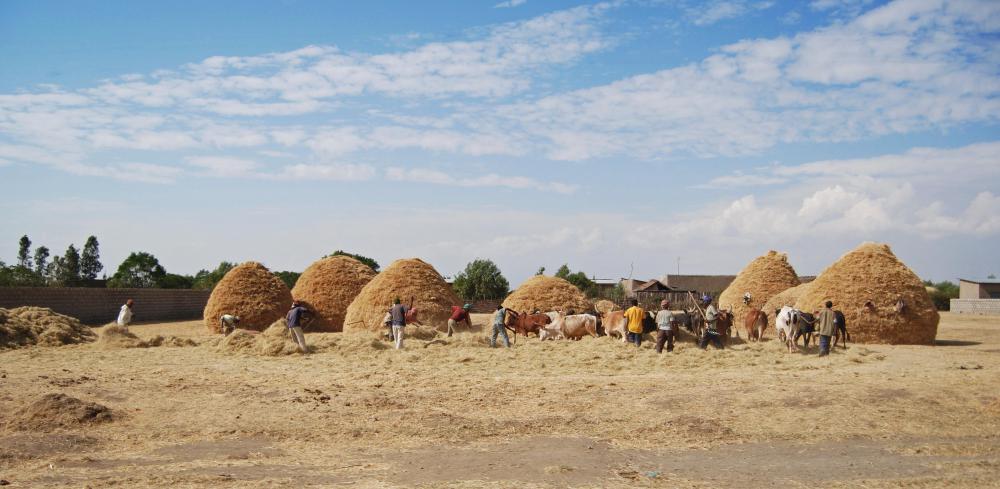
Teff, or tef, is a cereal grain native to Northeastern Africa and Southwestern Arabia. Although it has been used in Ethiopia in particular for centuries, this grain was not widely known in other parts of the world until the late twentieth century, when farmers in the Central United States and Australia began to experiment with the grain. A growing demand for alternative grains has made it more readily available, especially in urban areas. Typically, health food stores and large grocers stock stock either flour or whole grain types of teff.
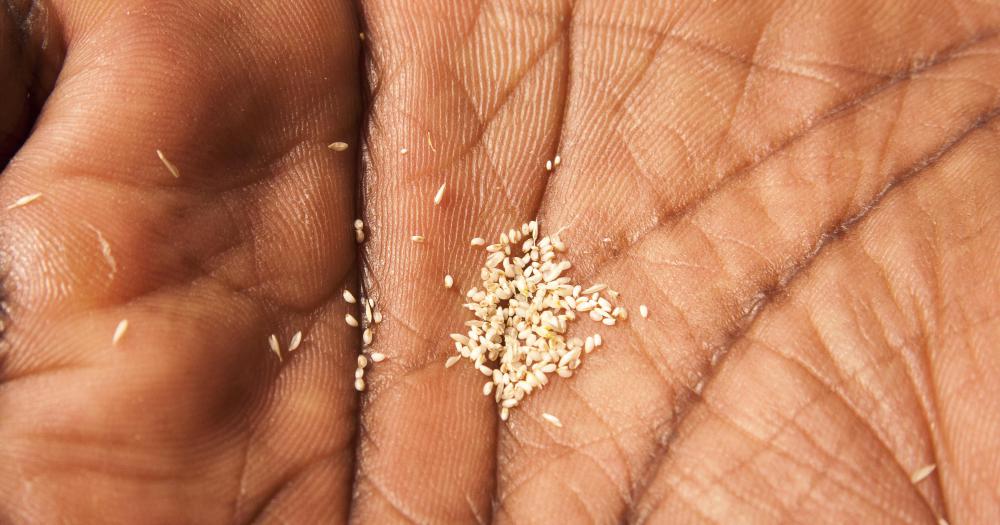
The word comes from the Amharic language. Teff means “lost,” a reference to the fact that the grains are so small that dropped grains will be impossible to find. The fine grains grow on long, delicate stems of an annual grass in the lovegrass group, the genus Eragrostis. In fact, the grains are in fact so small that enough seeds to sow an entire field can easily be held in the hand or in a small bag, making it an extremely portable crop.

Many plants in the lovegrass group are cultivated for use as animal fodder. Typically, animals graze fields of the grasses, although some farmers may also cut and bale grasses. Teff has been eaten by humans and animals for thousands of years, with botanists suspecting that it may have been domesticated as early as 4,000 BCE. It is a staple food in Ethiopian cuisine.

The grain has a very mild, nutty flavor, and it also packs a serious nutritional punch. Teff has an excellent balance of amino acids, and it is also high in protein, calcium, and iron. Along with other alternative grains like quinoa and millet, this grain has become well-known in the health foods community because of its great nutritional value.
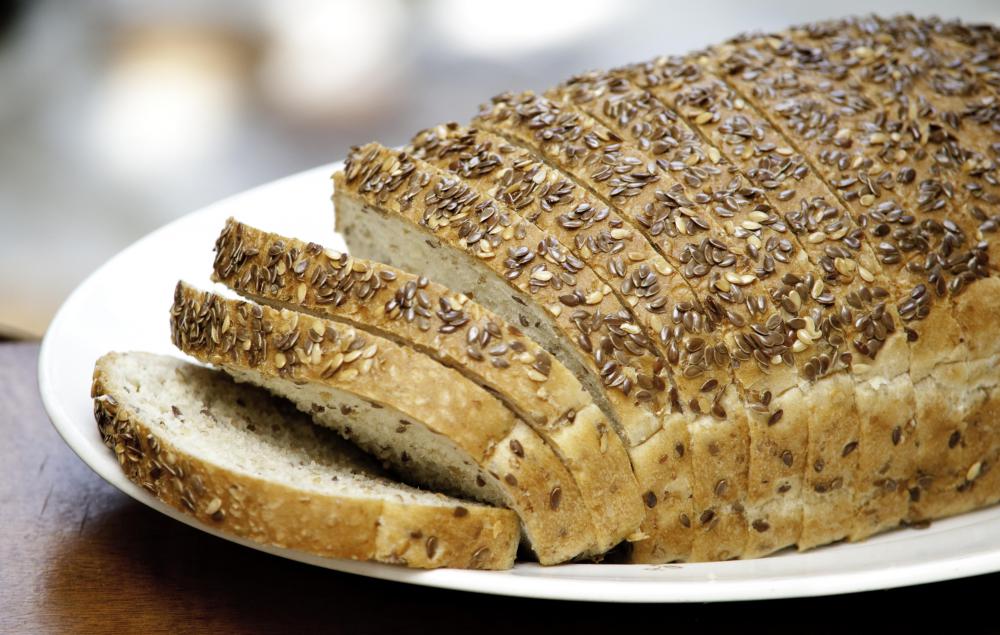
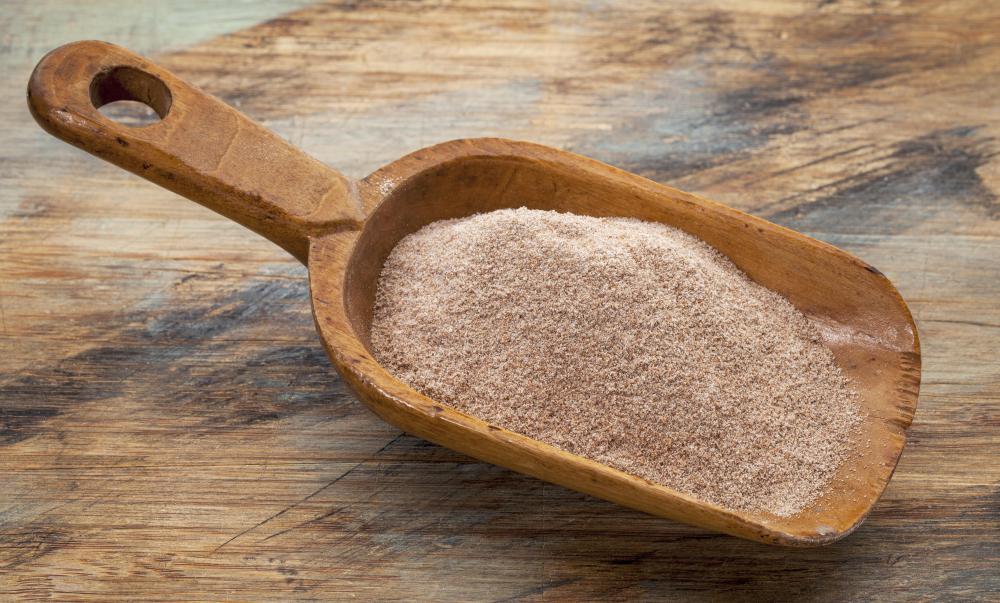
There are a number of ways to use teff. In Ethiopia, it is the primary ingredient in injera, a type of fermented bread served with most meals, much like naan in India. It can also be ground into flour to make an excellent gluten-free flour alternative, and can be used to make pie crusts, cookies, breads, and an assortment of other baked goods. Teff can also be eaten whole and steamed, boiled, or baked as a side dish or a main course.
Mary McMahon
Ever since she began contributing to the site several years ago, Mary has embraced the exciting challenge of being a AllThingsNature researcher and writer. Mary has a liberal arts degree from Goddard College and spends her free time reading, cooking, and exploring the great outdoors.
Learn more...
Mary McMahon
Ever since she began contributing to the site several years ago, Mary has embraced the exciting challenge of being a AllThingsNature researcher and writer. Mary has a liberal arts degree from Goddard College and spends her free time reading, cooking, and exploring the great outdoors.
Learn more...AS FEATURED ON:
AS FEATURED ON:









-
![A popular food staple in Ethiopia for centuries, teff is a a cereal grain native to Northeastern Africa and Southwestern Arabia.]() By: imageoptimistA popular food staple in Ethiopia for centuries, teff is a a cereal grain native to Northeastern Africa and Southwestern Arabia.
By: imageoptimistA popular food staple in Ethiopia for centuries, teff is a a cereal grain native to Northeastern Africa and Southwestern Arabia. -
![Grains of teff are extremely small.]() By: MotiveGrains of teff are extremely small.
By: MotiveGrains of teff are extremely small. -
![Teff can be used to make bread.]() By: AAATeff can be used to make bread.
By: AAATeff can be used to make bread. -
![Teff can be used as a gluten-free substitute for flour.]() By: MarekTeff can be used as a gluten-free substitute for flour.
By: MarekTeff can be used as a gluten-free substitute for flour. -
![Teff may be ground into a flour and used as a gluten-free wheat alternative in cookies and other baked goods.]() By: sarahdoowTeff may be ground into a flour and used as a gluten-free wheat alternative in cookies and other baked goods.
By: sarahdoowTeff may be ground into a flour and used as a gluten-free wheat alternative in cookies and other baked goods.

Discussion Comments
Can you tell me where you got the info that Teff is native to Northeastern Africa and Southwestern Arabia?
Start by fermenting the teff flour. Use 1 cup of water to 1 cup of teff. Mix and then let sit on the counter, covered with a dish cloth. After 24 hours, pour into plastic container and then add 1 pound of teff flour. Mix by hand, adding water as you go. It should look like thick batter. Cover with a dish cloth and let sit overnight again.
Next day, put it in the fridge for the day. At the end of the day, when you are ready to cook the injera, add a cup of boiled water and mix. This will make the bubbles. Use a non stick skillet just for injera only, and don't use it for anything else. Heat to 395 or on 7. Sprinkle a little salt on the pan and wipe with a damp paper towel. Quickly put in two ladles of batter in the pan and swirl to coat pan, wait about 20 seconds then put a lid on. Wait about 40 seconds; you should see steam rising. Lift the lid and take out the injera. Place it on a flat dish cloth and cover with another dish cloth. Don't stack the injera until cooled. Enjoy.
Does Bulla, from Enset, contain gluten?
How can you boil or steam teff? I don't understand that part. Ethiopians only make enjera from teff.
I found red teff at Strathcona Farmers Market (Edmonton, AB).
Tried some Ethiopian food (injera with wat), developed a serious craving for it. Too bad eating at a very small obscure and seldom-open remote restaurant every meal of the day is not an option, would love to learn how to cook injera and watt.
Can anyone tell me where I can buy teff in Edmonton, AB (Canada)? I would greatly appreciate it.
I am really happy to see this posted on your website, since I am one of the community used to eat teff products for my life. I found that my parents were traditional scientists. Best wishes, Shishay
Post your comments