
At TheHealthBoard, we're committed to delivering accurate, trustworthy information. Our expert-authored content is rigorously fact-checked and sourced from credible authorities. Discover how we uphold the highest standards in providing you with reliable knowledge.
What is Tea Tree Oil?
Tea Tree Oil is the extracted oil from Melaleuca altermifolia tree native to Australia. The oil is extracted by steam distillation from the leaves of the tree and has been used by Australian aborigines for several centuries. The tree is now grown all over the world for its medicinal properties. Its popularity is apparent as even most grocery stores carry small bottles of the oil. The strong smelling oil is greenish yellow in appearance and the scent resembles camphor.
This oil is reputed to be antiseptic, antifungal and antiviral. Research into the properties of tea tree oil has generally supported many of the claims made by its users. This research is being conducted on an international level and is looked at from a wide variety of uses and purposes. As an antifungal, tea tree oil has been used for years in the treatment of candidiasis, vaginal infections, athlete's foot, ringworm, and nail infections.

Many claim that the oil will lessen the symptoms of colds and flu, and can be used to treat sore throats and muscle aches. Tea tree oil can be added to the water in pools, hot tubs and spas to reportedly control bacteria. Many home remedies include adding the oil to a vaporizer to loosen chest congestion, adding a teaspoon to shampoo to destroy head lice, and adding it to a bath to remove persistent body odor.

Aromatherapy, an alternative to mainstream medicine, uses tea tree oil in a number of their recipes for colds, persistent coughs, acne, toothaches, pyorrhea and sunburns. Most aromatherapy practitioners include this oil in their top ten lists as a must have item in their first aid kits.
Many herbalists recommend using a tea tree oil spray in the garden to prevent mold, mildew and fungus from forming on plants and seedlings. This method works on houseplants as well. As it is non-toxic to humans and animals, its use as an antiseptic rinse on counters and cutting boards is often recommended as well.

As with all products, before using this oil directly on the skin, a patch test should be preformed. Using a cotton swab, users should apply a small amount to the inside of the wrist or the back of the leg. If no reaction to the oil is seen within a few hours, the oil is safe to use in any fashion desired.
AS FEATURED ON:
AS FEATURED ON:


-
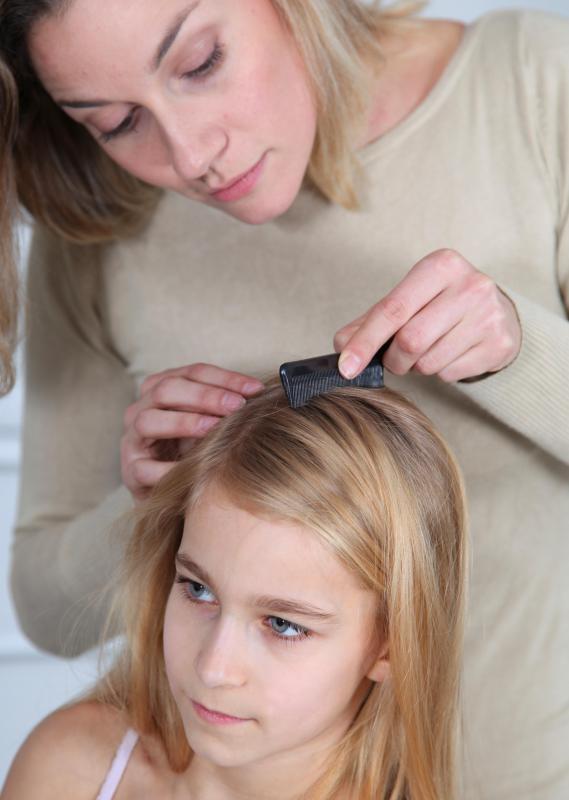
![Tea tree oil can be used as a remedy for lice.]() By: goodluzTea tree oil can be used as a remedy for lice.
By: goodluzTea tree oil can be used as a remedy for lice. -
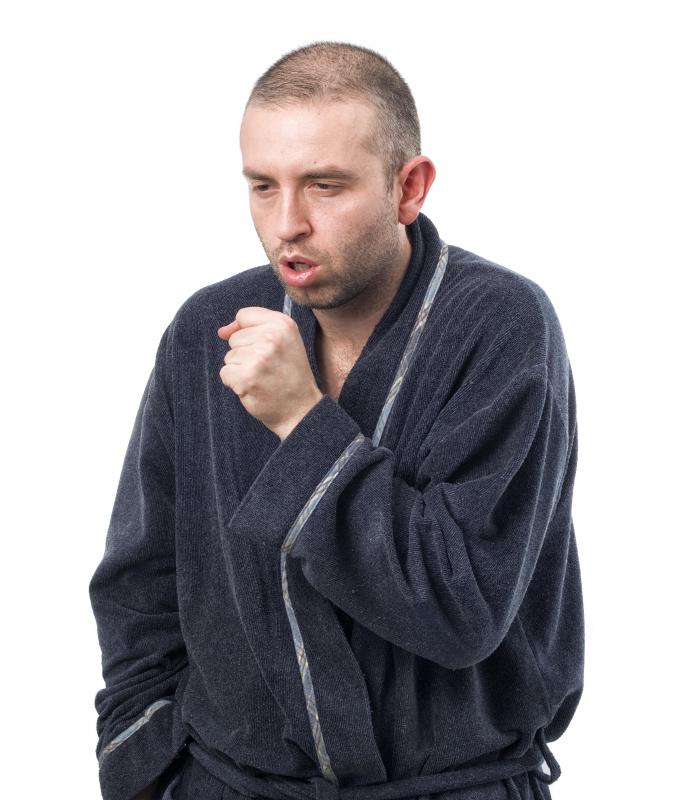
![Tea tree oil can be used to help a cough.]() By: ramonespeltTea tree oil can be used to help a cough.
By: ramonespeltTea tree oil can be used to help a cough. -
![Tea tree oil is used to treat acne in aromatherapy.]() By: Ocskay BenceTea tree oil is used to treat acne in aromatherapy.
By: Ocskay BenceTea tree oil is used to treat acne in aromatherapy. -
![Aromatherapists use tea tree oil to treat toothaches.]() By: detailblickAromatherapists use tea tree oil to treat toothaches.
By: detailblickAromatherapists use tea tree oil to treat toothaches. -
![Tea tree oil comes from a native Australian tree.]() By: Lucie ÅÃhováTea tree oil comes from a native Australian tree.
By: Lucie ÅÃhováTea tree oil comes from a native Australian tree. -
![Tea Tree Oil can be a remedy for ringworm.]() By: schankzTea Tree Oil can be a remedy for ringworm.
By: schankzTea Tree Oil can be a remedy for ringworm.



Discussion Comments
I read a few articles on tea tree oil decided to try it for a less than fresh scent I was having below. I put six drops of 100 percent tea tree oil in my bath with a cup of epsom salts. It worked great, and the best par is I've had horrible acne my entire life. I've tried everything on the market, and it works for a few weeks and then it stops, but two soaks in the tub in two weeks' time frame and my skin is almost perfect. Shocking to say the least. This is awesome!
I will make this a part of my weekly routine, and hopefully soon change to a monthly process. It's not expensive or time consuming!
Yes,it works for acne. I am 41 and still get cystic acne. I tried the tea tree oil and it was gone in a day or two, and it would normally take a week. And, the swelling was gone. Fantastic.
Also, I never ever had head lice until, well a fantastic neighbor gave it to us. Tea tree oil, along with olive oil, and the essential combing, and cleaning of clothes and bedding worked. I only use tea tree shampoo and conditioner now, and I put a few drops in the kids' shampoo. Also, Gold Bond also helps keep it away. I buy mine at Sally's Beauty supply, but you can also get it at Jewel or online. Burts Bees sells it. The Burts Bees formula also has other oils in it too, like lemongrass.
I haven't tried it yet, but I've read that tea tree oil, or Melaleuca alternifolia oil, is an effective natural remedy for pearly penile papules.
Tea tree oil is a really lovely product from Australia--it tingles and smells kind of like eucalyptus, and I've used as a treatment for cuts and blisters, because it acts as an antimicrobial. It's also the main ingredient in the Derma Remedies product. I'm going to make an experimental paste of garlic and tea tree oil and let you guys know what happens to the annoying wart on my right heel (the place where I always get blisters from sandals).
Does anybody know where I can buy bulk tea tree oil?
I want to use it for massages and aromatherapy, but I can only find the teensy bottles they sell at the grocery store.
Any tips?
@EarlyForest -- Tea tree oil is effective for getting rid of acne for two reasons -- it's astringent, and it is antiseptic.
Since it is astringent, it can help to unclog blocked pores, and then kills the bacteria inside, which helps the spots to heal.
There are a ton of tea tree oil products out there for dealing with acne, so you can either get a face wash or toner with tea tree oil in it, or you can just use it straight.
However, if you apply it straight to the face, it is important to not use it in conjunction with medications or very strong face washes, since it will over-dry your face.
Has anybody ever used tea tree oil for acne?
I see all these beauty products with tea tree oil and wanted to know if it was effective or not.
Tea Tree oil is an excellent glue residue dissolver.
Post your comments