
At DelightedCooking, we're committed to delivering accurate, trustworthy information. Our expert-authored content is rigorously fact-checked and sourced from credible authorities. Discover how we uphold the highest standards in providing you with reliable knowledge.
What is Tapioca?
 Mary McMahon
Mary McMahon
Mary McMahon
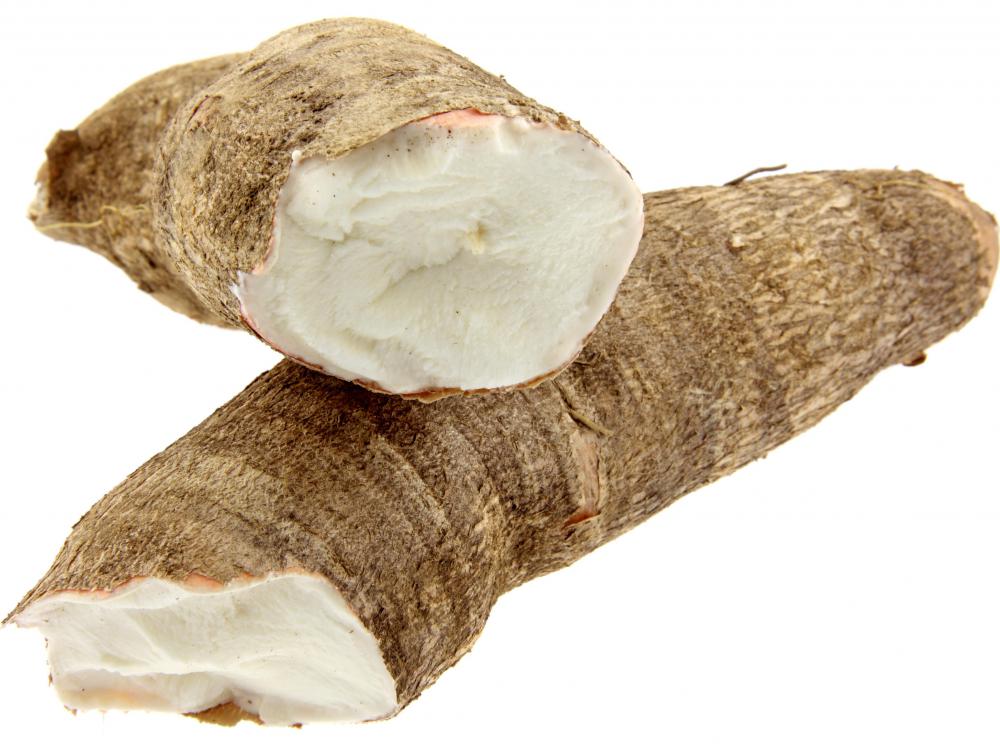
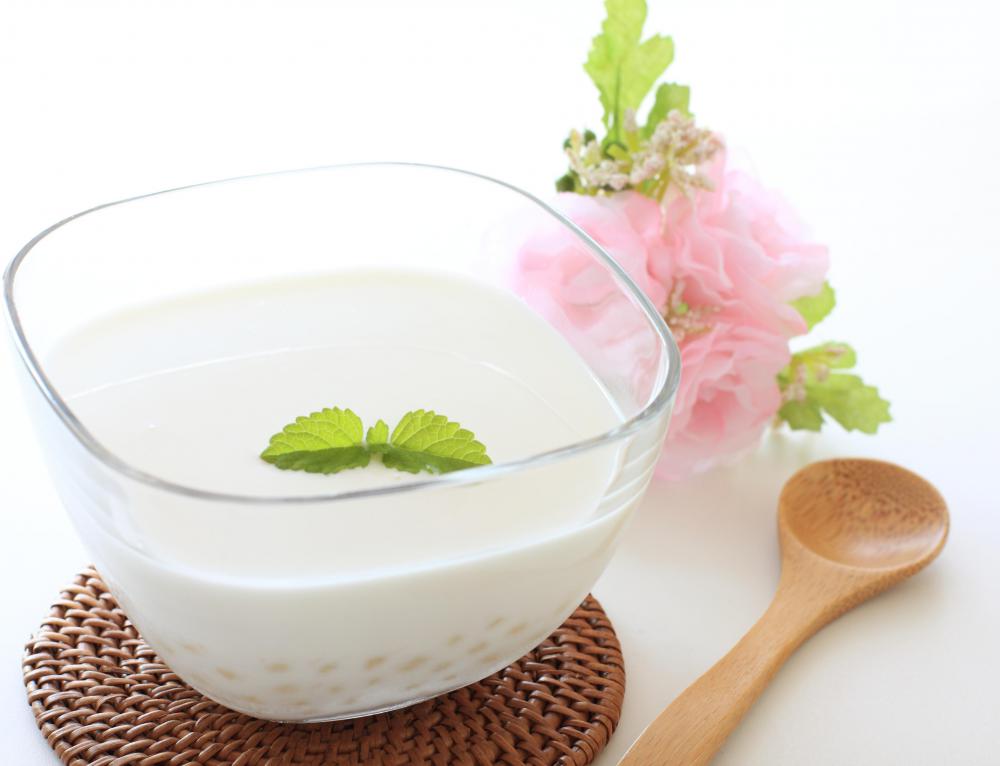
Tapioca is a starch that is used as a food thickener, perhaps most famously in pudding. The term is also used generically in some places to refer to other food thickeners, which can lead to some confusion. True tapioca is extracted from the cassava root, using a complex multi-step process that leaches out toxins in the root to get at the usable starch within. Many cultures all over the world have adopted this starch for use in their own cuisine.
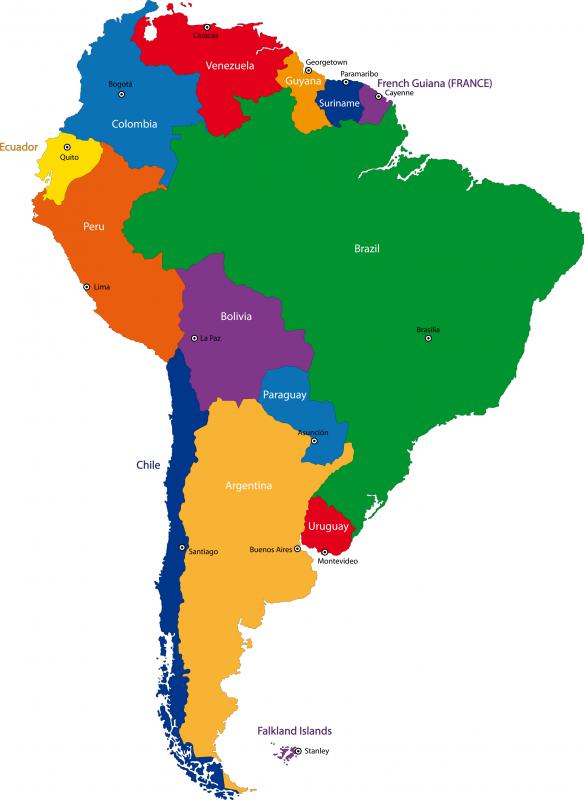
Cassava is a shrub-like plant native to South America, cultivated for its edible roots. It is also known as manioc, and it has played an important rule in the cuisine of many South American peoples. Unfortunately for the people who like to eat it, cassava on its own has toxins that can be dangerous in large amounts, so the roots must be treated before they can be used in food products.
The word for tapioca comes from the Tupi language of what is now known as Brazil. It integrates ty for “juice,” pya, or “heart,” and oca, for “remove.” The Tupi word for the food is tipi'oca, in a reference to the way in which the food is extracted.

To make it, the root is pulped and washed to leave the usable starch behind. The starch is heated so that individual granules will burst, and the resulting paste is reformed into a powder, flake, or pearl form. The powder is used for things like jellies and pudding, since it dissolves well in warm water. The flakes are also used for similar applications, while the pearls are usually used whole in foods, like pearl milk tea.

The flavor is fairly neutral, making it an excellent choice of thickener for both sweet and savory foods, and it has little nutritional value. The limited nutritional value of cassava root in general has caused historical problems, especially among peoples who rely on it for a major source of nutrition. As a supplement to other foods, however, cassava is quite useful. In addition to being grown in South America, the root is also cultivated in Africa and Asia for an assortment of uses.

Classic tapioca pudding is made with whole pearls, which lend a texture to an otherwise smooth or bland pudding. The pearls become chewy and resilient when cooked, and this property is also harnessed to make boba or pearl milk tea, a popular Asian beverage. Pearl milk tea is made with large pearls mixed with fruit juice or tea, a sweetener, and milk. A specialized straw allows the drinker to suck up the tapioca along with the beverage.
Mary McMahon
Ever since she began contributing to the site several years ago, Mary has embraced the exciting challenge of being a DelightedCooking researcher and writer. Mary has a liberal arts degree from Goddard College and spends her free time reading, cooking, and exploring the great outdoors.
Learn more...
Mary McMahon
Ever since she began contributing to the site several years ago, Mary has embraced the exciting challenge of being a DelightedCooking researcher and writer. Mary has a liberal arts degree from Goddard College and spends her free time reading, cooking, and exploring the great outdoors.
Learn more...AS FEATURED ON:
AS FEATURED ON:


-
![Tapioca comes from the edible root of the Cassava plant.]() By: UnclesamTapioca comes from the edible root of the Cassava plant.
By: UnclesamTapioca comes from the edible root of the Cassava plant. -
![Tapioca is used as a thickener for puddings.]() By: jreikaTapioca is used as a thickener for puddings.
By: jreikaTapioca is used as a thickener for puddings. -
![Tapioca in powder form dissolves well in warm water.]() By: Orlando BelliniTapioca in powder form dissolves well in warm water.
By: Orlando BelliniTapioca in powder form dissolves well in warm water. -
![Also known as yuca, the cassava plant is a staple in much of South America.]() By: Iryna VolinaAlso known as yuca, the cassava plant is a staple in much of South America.
By: Iryna VolinaAlso known as yuca, the cassava plant is a staple in much of South America.

Discussion Comments
In East Indian cooking, Tapioca or "SabuDana" is used to make savoury fritters and "khichri" - a mixture of potatoes, peanuts and tapioca, mildly spiced with cumin and cilantro and some green chillies as per the preference.
I love tapioca pudding.
@purplespark: This is a recipe for tapioca chips that I’ve had for many years and it is still a hit at my house. You need 600g tapioca (peeled and chopped), 2 Tbsp. coriander powder, 1 tsp. cumin, 1 tsp. turmeric, 1 ½ tsp. salt, oil for frying.
Take all of the ingredients (other than the tapioca) and mix them together. Take your chopped (or sliced) tapioca chips and marinate them in the mixture for about an hour. After that, place them on paper towels to dry.
Heat the oil in a wok. After heated, start adding the chips in small batches. Cook until golden brown. Drain the grease well. They’re ready!
Has anyone ever heard of tapioca chips?
Quick cooking tapioca can work great as a thickener in fruit pies. I recently made a three berry pie - the filling had raspberries, blackberries, strawberries, sugar, tapioca, and a few spices. The tapioca really firmed up the filling, particularly once the pie had completely cooled, and prevented it from all flowing out every time I cut a slice. Delicious!
Post your comments