
At DelightedCooking, we're committed to delivering accurate, trustworthy information. Our expert-authored content is rigorously fact-checked and sourced from credible authorities. Discover how we uphold the highest standards in providing you with reliable knowledge.
What is Tallow?
 Mary McMahon
Mary McMahon
Mary McMahon
Tallow is a form of rendered fat, classically made from beef, although technically any animal could be used as a source. Vegetarian versions made from plants such as the tallow tree are also available, although the composition of plant-based fats is slightly different from the traditional form. There are a number of uses for tallow, making it a product in consistent demand.
Typically, tallow starts with the extraction of suet from a carcass. Suet is hard fat found in the neighborhood of the kidneys and around some other organs. While suet can be used as-is, rendering it removes the impurities and also extends the shelf life. Once suet is rendered, it becomes tallow. As long as it is stored in an airtight container in a cool environment, it can keep for an extended period of time, unlike suet, which will become rancid.

Beef, pig, and mutton tallow are all fairly common. It is also rendered from animals like horses. The product is high in monounsaturated fatty acids, with lesser amounts of saturated fatty acids and polyunsaturated fatty acids. The composition of the fats causes it to be solid and white at room temperature, and properly rendered tallow is odorless and tasteless.

Historically, tallow has been used as a fuel, a base for candles, a treatment for leather, and a base for soaps. In the modern era, it is used commonly as a lubricant and cooking oil. It can also be turned into a biofuel, used as a feed supplement for various animals, and included in leather dressings and waterproofing compounds designed for leather. Some industries have turned away from animal fat in favor of plant-based materials, under the belief that these materials are easier to handle and clean up.
In some regions, it is possible to purchase plain tallow for various projects, especially if you live in an area with a rendering plant. In other cases, consumers only interact with it indirectly. It is also possible to make tallow at home, although the process can be quite smelly and messy. In order to make this type of rendered fat, you need access to suet and sturdy pans to cook it in. It is made by cooking diced fat in water, cooling it, straining it to remove impurities, and skimming off the top layer of fat which accumulates after a night of chilling. This process is repeated to make the fat as pure as possible.
Mary McMahon
Ever since she began contributing to the site several years ago, Mary has embraced the exciting challenge of being a DelightedCooking researcher and writer. Mary has a liberal arts degree from Goddard College and spends her free time reading, cooking, and exploring the great outdoors.
Learn more...
Mary McMahon
Ever since she began contributing to the site several years ago, Mary has embraced the exciting challenge of being a DelightedCooking researcher and writer. Mary has a liberal arts degree from Goddard College and spends her free time reading, cooking, and exploring the great outdoors.
Learn more...AS FEATURED ON:
AS FEATURED ON:


-
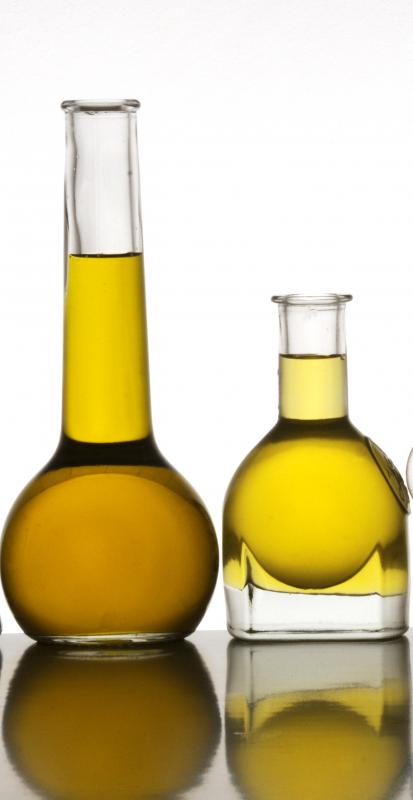
![Tallow is a staple ingredient in cooking oil.]()
Tallow is a staple ingredient in cooking oil. -
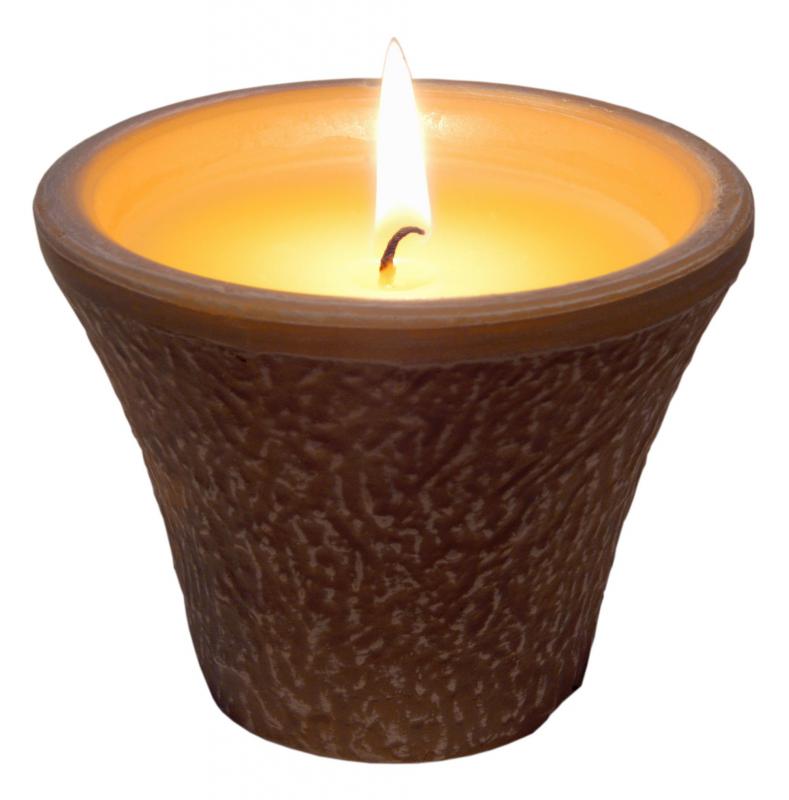
![Tallow was once a popular component in candle manufacture.]() By: nick barounisTallow was once a popular component in candle manufacture.
By: nick barounisTallow was once a popular component in candle manufacture.
Discussion Comments
@Cloudel: People being worried about fries being fried in fat -- really? What do you think vegetable oil is?
I've heard that restaurants in France actually use either beef or horse tallow for cooking their fries! I think this is so gross, especially if it's from a horse!
I also read that some popular restaurant chain in America used to use beef tallow for deep frying their french fries until the eighties. Then, they started using vegetable oil instead.
I eat beef, so I have no problem with eating something that has been fried in this sort of tallow. However, I would think that fries cooked in animal fat would be so much more fattening and artery clogging than fries made with vegetable oil.
I'm glad that most American restaurants have made the switch. Though I'm not a vegetarian, I can imagine the horror that one might feel at learning that they had unknowingly been eating potatoes fried in fat!
I read that some companies were using tallow for biodiesel fuel. I also read that the drawbacks to using it were keeping it from really catching on.
Tallow doesn't do well in engines in winter. I think it starts to gel up as the temperatures get colder.
Also, tallow isn't quite as plentiful or as easy to get as crops like corn that can be used in fuel. You can't just plant and grow a field of animals in one season.
@StarJo – My best friend makes tallow candles. She buys the tallow already rendered, so she doesn't have to deal with the smelly fat.
All she has to do to the tallow is melt it in a pot. Then, she dips long wicks into it to make tapered candles.
She hangs the wicks up on a clothesline so that the tallow can solidify. She has newspaper lining the floor beneath it so that the tallow doesn't drip all over the floor.
Once it has solidified, she dips it again and lets it harden again. She just keeps on doing this until the candle is the right thickness.
I've heard that you can buy tallow to use in candlemaking. I think it would be a bit strange to have candles made of animal fat sitting around the house, but apparently, many people don't mind.
Does anyone know anything about this process? Do most candle makers buy the tallow already rendered, or do they have to do this themselves?
Anyone know the ratio of fat to wax?
Beef fat emits a foul smell. How it can be removed?
What is the density of liquid tallow at 60 degrees Celsius?
Can I have an analysis of stearyl alcohol derived from tallow?
Post your comments