
At TheHealthBoard, we're committed to delivering accurate, trustworthy information. Our expert-authored content is rigorously fact-checked and sourced from credible authorities. Discover how we uphold the highest standards in providing you with reliable knowledge.
What Is Surgical Pathology?
Surgical pathology is a field of medicine that focuses on research and analysis of tissues and other bodily specimens collected or exposed during surgery. The field is normally focused on identifying diseases, growths, and infections based on a careful study of tissue samples in labs. People in this profession are almost always trained first as surgeons and many have spent time in operating theaters before transitioning to the pathology side of the field, though not always. The crux of this job is usually research, and surgeons in pathology labs don’t usually interact much with patients at all. Rather, they work as members of a patient’s medical team and advise both surgeons and general practice physicians about care plans and possible risks. In addition to identifying individual diagnoses, pathology also normally includes work identifying trends and patterns more broadly. Researchers in the field are often leading voices when it comes to setting policies and developing treatment plans for society as a whole, not just individuals with specific and identified issues.
Understanding Pathology Generally

Pathology more broadly is a branch of medicine that focuses on the nature, cause and effect of diseases or injuries. There are many different types of pathology, though they all have a few core things in common. They’re research based, for instance, and focus on biological markers and identification rather than cure or patient care. Surgical pathology focuses on the analysis of tissues, or even organs, that are removed from living patients during a surgery. It is the surgical pathologist's job to use that specimen to help diagnose the disease or problem and formulate a treatment plan.
Types and Specializations Within Surgery

Surgical pathologists, sometimes referred to as a surgical diagnosticians, may be generalists or they may specialize in a specific area of medicine. An oncology surgical pathologist, for example, will largely focus on analyzing cancerous and malignant tumors, cysts, or white blood cells. There is also the forensic pathologist, who participates in autopsies to uncover the cause of a person's death.
Diagnostic Techniques

Surgical pathologists normally approach samples in a couple of different ways. The most basic technique is at the macroscopic level — just viewing the specimen with the bare eye can provide the pathologist with sufficient information to make a diagnosis. Most often, however, the pathologist will also require some microscopic assistance to make a sufficient diagnosis and prognosis. The microscope, therefore, is one of the primary tools a pathologist uses. The surgical pathologist does not rely on the eye and microscope alone, however. Molecular diagnosis, like a DNA analysis, and other laboratory tests are sometimes used to help produce a diagnosis.
Day-to-Day Job
The pathologist may work in a variety of locations from a hospital to a clinic to a morgue or crime lab. Typically, however, the primary work in surgical pathology occurs within a laboratory.

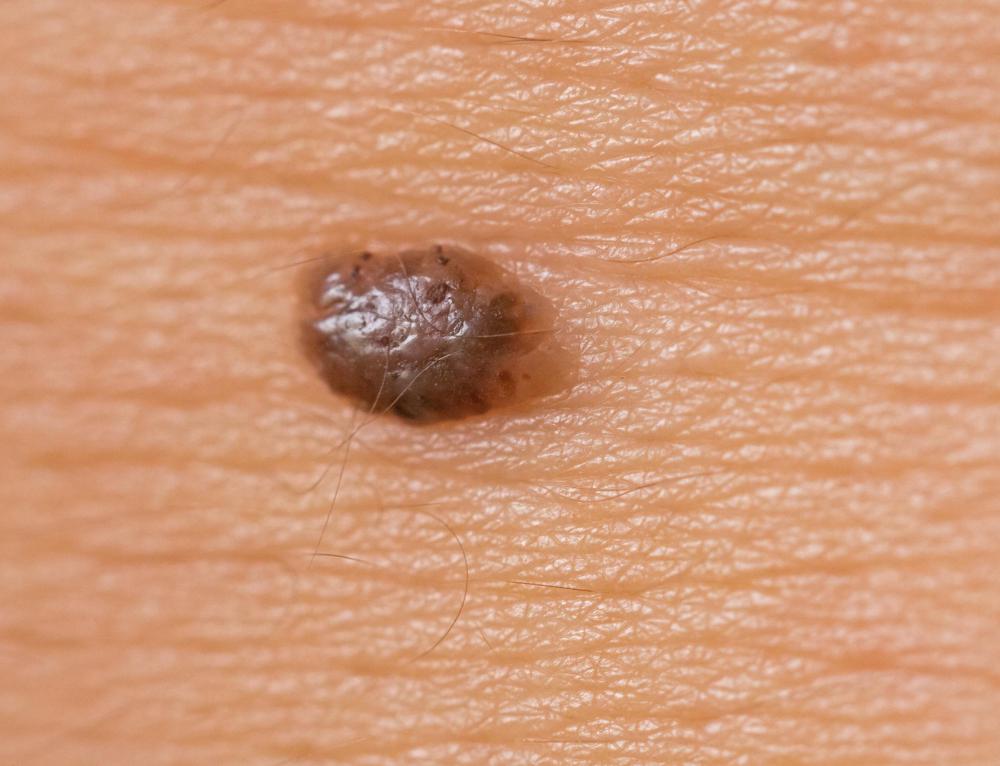
It’s important to note that the surgical pathologist is not usually the one to actually perform the surgery. That job is in the purview of the general surgeon. The pathologist, however, analyzes the specimen removed during a surgery. That specimen can be a biopsy, which is a tissue sample from the infected area, or an excision of an entire diseased area or even an entire organ. Surgical pathology also encompasses the analysis of specimens provided by a non-surgeon. A dermatologist, for example, might remove a mole for a surgical pathologist to analyze.
Getting Started in the Field

Working in this field almost always requires extensive education, on-the-job training, and licensure. Licensing requirements vary somewhat from place to place, but almost always require completion of a medical degree, participation in an approved hospital or clinical residency program, and a certification with a licensing board. In the United States, that board is usually the American Board of Pathology, and most countries have an equivalent.
AS FEATURED ON:
AS FEATURED ON:


-
![The microscope is a primary tool for a surgical pathologist.]() By: WavebreakMediaMicroThe microscope is a primary tool for a surgical pathologist.
By: WavebreakMediaMicroThe microscope is a primary tool for a surgical pathologist. -
![The primary work in surgical pathology occurs within a laboratory.]() By: gwimagesThe primary work in surgical pathology occurs within a laboratory.
By: gwimagesThe primary work in surgical pathology occurs within a laboratory. -
![A surgical pathologist might analyze a mole removed by a dermatologist for signs of cancer.]() By: F.C.G.A surgical pathologist might analyze a mole removed by a dermatologist for signs of cancer.
By: F.C.G.A surgical pathologist might analyze a mole removed by a dermatologist for signs of cancer. -
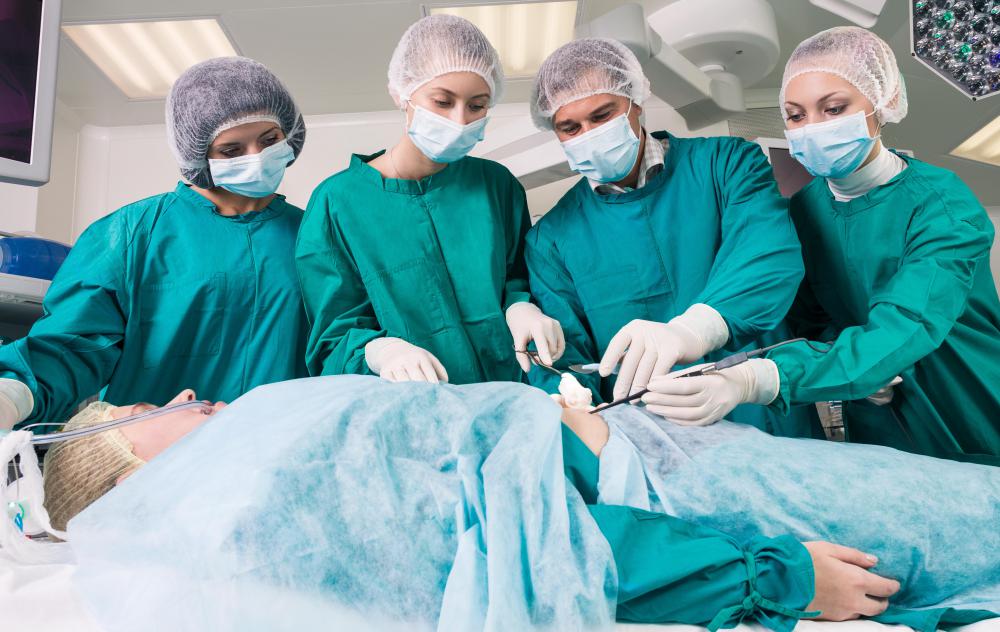
![Surgical pathology involves analyzing any tissues or organs removed during a surgical procedure.]() By: Kot63Surgical pathology involves analyzing any tissues or organs removed during a surgical procedure.
By: Kot63Surgical pathology involves analyzing any tissues or organs removed during a surgical procedure. -
![Surgical pathologists may need to repeat initial laboratory analyzation in order to confirm a diagnosis.]() By: kastoSurgical pathologists may need to repeat initial laboratory analyzation in order to confirm a diagnosis.
By: kastoSurgical pathologists may need to repeat initial laboratory analyzation in order to confirm a diagnosis. -
![A pathologist may work in a morgue conducting autopsies.]() By: forestpathA pathologist may work in a morgue conducting autopsies.
By: forestpathA pathologist may work in a morgue conducting autopsies. -
![Practicing surgical pathology involves participating in a clinical residency program.]() By: llhedgehogllPracticing surgical pathology involves participating in a clinical residency program.
By: llhedgehogllPracticing surgical pathology involves participating in a clinical residency program.




Discuss this Article
Post your comments