
At WiseGEEK, we're committed to delivering accurate, trustworthy information. Our expert-authored content is rigorously fact-checked and sourced from credible authorities. Discover how we uphold the highest standards in providing you with reliable knowledge.
What is Soluble Fiber?
 Niki Foster
Niki Foster
Niki Foster
Dietary fiber consists of the indigestible component of plant-based foods. As it passes through the digestive tract, it cleanses the system and provides a number of health benefits. Dietary fiber is divided into two types: insoluble and soluble fiber, both of which are present in most plant foods.
While insoluble fiber absorbs water, resulting in bulkier, softer stool, soluble fiber ferments in the large intestine, producing short-chain fatty acids that significantly contribute to overall health. The American Dietetic Association (ADA) has suggested that adults consume at least 20 to 35 grams of fiber each day depending on caloric intake, while the British Nutrition Foundation recommends at least 12 to 24 grams a day. Most North Americans consume less than 50% of the recommended daily amount of dietary fiber.

Some of the world's most serious health threats may be preventable through the regular consumption of appropriate levels of soluble fiber, including cardiovascular disease, high blood pressure and its associated complications, diabetes, obesity, and many gastrointestinal disorders. It may also help prevent cancer, particularly colon cancer.
The short-chain fatty acids produced through the fermentation of soluble fiber in the large intestine serve to stabilize blood glucose levels, lower low-density lipoproteins (LDL) or "bad" cholesterol in the blood, increase the production of immune cells, and promote colon health. This fiber prevents the formation of intestinal polyps or inflammation by maintaining a healthy pH in the intestine, aids in the absorption of certain minerals, and increases the production of helpful bacteria in the colon.

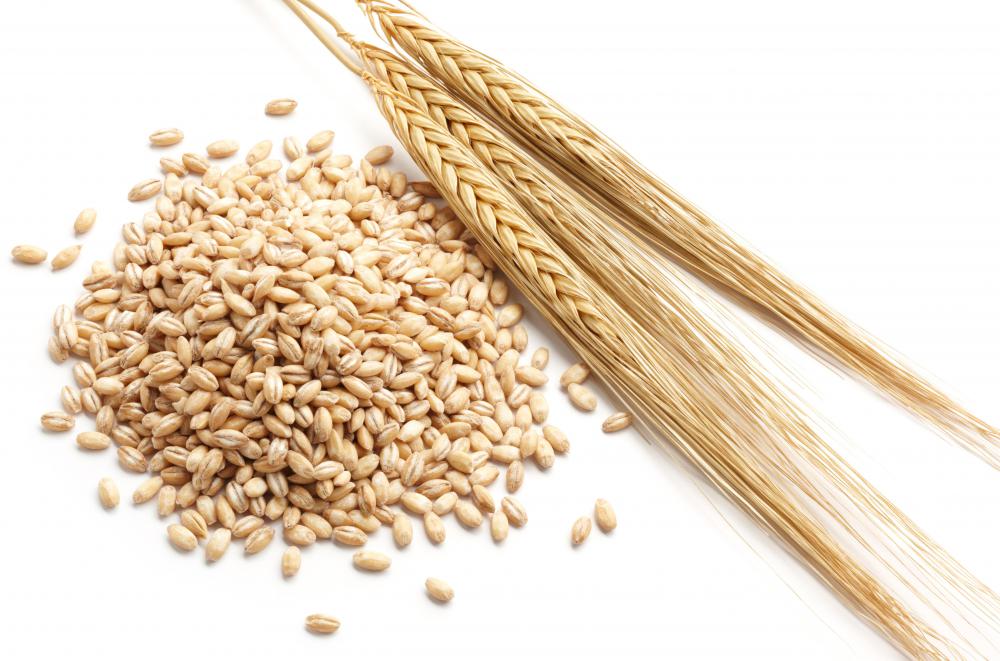
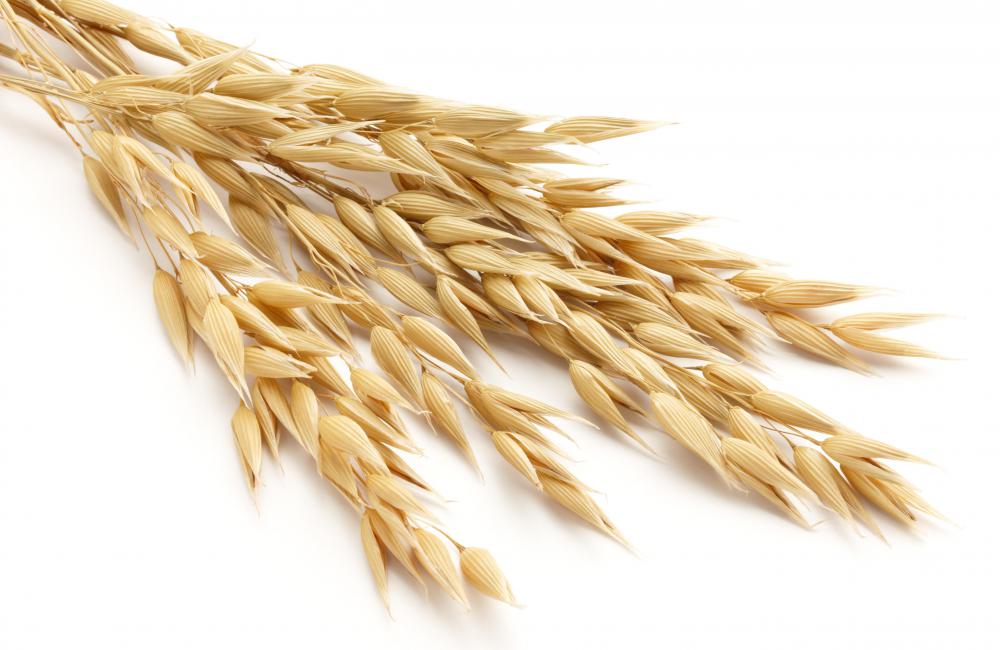
Soluble fiber is present in all plant foods to some degree. Especially good sources of the nutrient include beans and other legumes, whole grains, and certain fruits and vegetables. Root vegetables such as potatoes and carrots are an excellent source, and the skins contain insoluble fiber. Broccoli, bananas, apples, and berries are also good sources of soluble fiber. Some good grain choices are barley, oats, and rye. If you find it difficult to get the recommended daily amount of soluble fiber through your diet, there is a wide variety of fiber supplements on the market, many of which should be available at your local grocery or drug store.
Niki Foster
In addition to her role as a WiseGEEK editor, Niki enjoys educating herself about interesting and unusual topics in order to get ideas for her own articles. She is a graduate of UCLA, where she majored in Linguistics and Anthropology.
Learn more...
Niki Foster
In addition to her role as a WiseGEEK editor, Niki enjoys educating herself about interesting and unusual topics in order to get ideas for her own articles. She is a graduate of UCLA, where she majored in Linguistics and Anthropology.
Learn more...AS FEATURED ON:
AS FEATURED ON:









-
![Bananas, a good source of soluble fiber.]() By: LiaurinkoBananas, a good source of soluble fiber.
By: LiaurinkoBananas, a good source of soluble fiber. -
![Apples can provide soluble fiber.]() By: tesgroApples can provide soluble fiber.
By: tesgroApples can provide soluble fiber. -
![Legumes, like beans, are a good source of soluble fiber.]() By: Marco MayerLegumes, like beans, are a good source of soluble fiber.
By: Marco MayerLegumes, like beans, are a good source of soluble fiber. -
![Broccoli is a good source of soluble fiber.]() By: PhotoEdBroccoli is a good source of soluble fiber.
By: PhotoEdBroccoli is a good source of soluble fiber. -
![Barley is a grain that is a good source of soluble fiber.]() By: OkeaBarley is a grain that is a good source of soluble fiber.
By: OkeaBarley is a grain that is a good source of soluble fiber. -
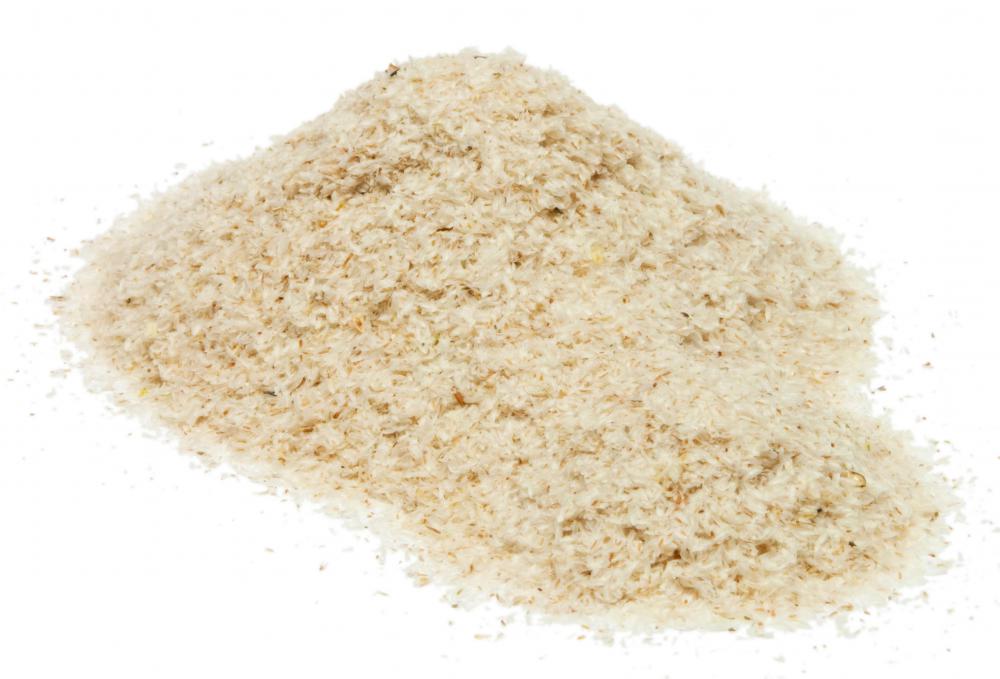
![Psyllium seed husk powder contains large amounts of soluble fiber.]() By: Antonin SpacekPsyllium seed husk powder contains large amounts of soluble fiber.
By: Antonin SpacekPsyllium seed husk powder contains large amounts of soluble fiber. -
![Oats are a good source of soluble fiber.]() By: OkeaOats are a good source of soluble fiber.
By: OkeaOats are a good source of soluble fiber.


Discussion Comments
Well aren't you just the genius anon25613! You can solve the world's deadliest diseases from your own home--with no credentials in the field of science, i might add.
But i'm glad you're here, because without your intellectual insight on diabetes, cancer and heart disease, i wouldn't have known that the FDA -- whose job it is to conduct food based experiments every day -- just completely skipped over your claims of solving diseases that have been around since the beginning of time.
Next time you decide to conduct your own "experiments" on food and whatnot, please by god let me know! I'm curious to see a "scientist" like yourself in action.
insoluble fiber really helps with bowel movements.
ive been on the low carb diet for 4 years now the only vegetable i eat in large amounts is broccoli. but some of the things the FDA doesn't realize is by cutting your carb intake to 20 a day, not counting fiber, will basically cure Diabetes.
you don't need to eat fiber to be healthy, in fact intestine bugs eat fiber that's in your gut and cause problems but you get the bugs from eating carbs that are not fiber.
so basically if you want to prevent or currently some what fix Cancer or Diabetes or Heart disease just eat 20 max carbs per day not counting fiber
fiber is mostly just helpful for bowel movements. once i eat it it's out of my system with in 15 hours.
FDA recommend intake of 25 Dietary Fiber but does not say how much soluble (SDF) and how much Insoluble (IDF) next is there a maximum limit or a minimum limit, and does this apply to both. I think IDF has a maximum limit but SDF has a minimum limit, SDF is very rare to get in today's lifestyle but IDF is more easy to get just get more thrown away bran or skin of Fava beans, which is sometimes called HorseBeans, or get more lentils intake. but SDF may get one gram in apple of 100g, so how much apples you eat to get say 20g of SDF. I think this is the main reason that nobody has the courage to tell the truth about lack of SDF on earth, that is why 95% of US citizens die because of either Cancer or Diabetes or Heart disease. USFDA must come out with clear recommendation, it is high time awareness about Fiber be focused on
B Rgds dr Isam Siddig
I think it's the other type of fiber - insoluble fiber - that helps relieve constipation, more so than soluble fiber.
Post your comments