
At TheHealthBoard, we're committed to delivering accurate, trustworthy information. Our expert-authored content is rigorously fact-checked and sourced from credible authorities. Discover how we uphold the highest standards in providing you with reliable knowledge.
What Is Small Ischemic Vessel Disease?
Small ischemic vessel disease, also called white matter disease, occurs as a result of damage to the brain’s white matter from a variety of sources. This disease is detected through magnetic resonance imaging (MRI) or computer tomography (CT) tests. Severe damage to the vessels and white matter can cause problems with the functions of the brain and how it controls the body, potentially leading to awkward movements and speech difficulties.
The brain has many small vessels that are responsible for distributing and regulating blood, fluid, and oxygen in the brain. Small ischemic vessel disease occurs when there is damage to either the vessels themselves or the surrounding white brain matter. This damage eventually affects the brain matter, which is diagnosed with an MRI or CT.

Causes of the disease include diabetes, a stroke, hypertension, and migraine headaches. Other damage can be the result of conditions such as atherosclerosis, which reduces blood flow to the brain. This reduction of blood causes damage to tissue and vessels, which is called ischemic injury.
Research has shown that patients with diabetes and hypertension tend to have more tissue and vessel damage, but not every person with these conditions will suffer from small ischemic vessel disease. Some patients do not experience neurological problems that occur with white matter damage. Unless damage occurs on a severe level, as is common with strokes, the brain can usually adjust to slow damage.

In instances of strokes, the brain can be affected two ways. A stroke can cut off the blood supply to part of the brain, damaging the blood vessels and brain tissue. If this disease develops without a stroke happening first, it can leave a patient more susceptible to having one. White matter damage can cause problems with the vessels, thereby reducing blood flow, which can lead to a stroke.
Treating this disease is important. Medications are prescribed to increase blood flow, reduce clotting, and/or widen vessels. Since patients commonly suffer from underlying medical conditions, proper treatment for these problems is important.

Preventing damage to the small blood vessels in the brain is crucial when patients have several risk factors. This involves treating existing conditions that can potentially lead to vessel and white matter damage. Prevention also involves lifestyle changes, like preventing coronary blockages, exercising regularly, and eating healthy.
AS FEATURED ON:
AS FEATURED ON:


-
![Small ischemic vessel disease is caused by damage to the brain's white matter and can usually be detected on an MRI.]() By: James SteidlSmall ischemic vessel disease is caused by damage to the brain's white matter and can usually be detected on an MRI.
By: James SteidlSmall ischemic vessel disease is caused by damage to the brain's white matter and can usually be detected on an MRI. -
![Hypertension can contribute to small ischemic vessel disease.]() By: Monkey BusinessHypertension can contribute to small ischemic vessel disease.
By: Monkey BusinessHypertension can contribute to small ischemic vessel disease. -
![Migraine headaches can contribute to small ischemic vessel disease.]() By: MediablitzImagesMigraine headaches can contribute to small ischemic vessel disease.
By: MediablitzImagesMigraine headaches can contribute to small ischemic vessel disease. -
![Victims of a major ischemic attack often display drooping on one side of the face.]() By: sframeVictims of a major ischemic attack often display drooping on one side of the face.
By: sframeVictims of a major ischemic attack often display drooping on one side of the face. -
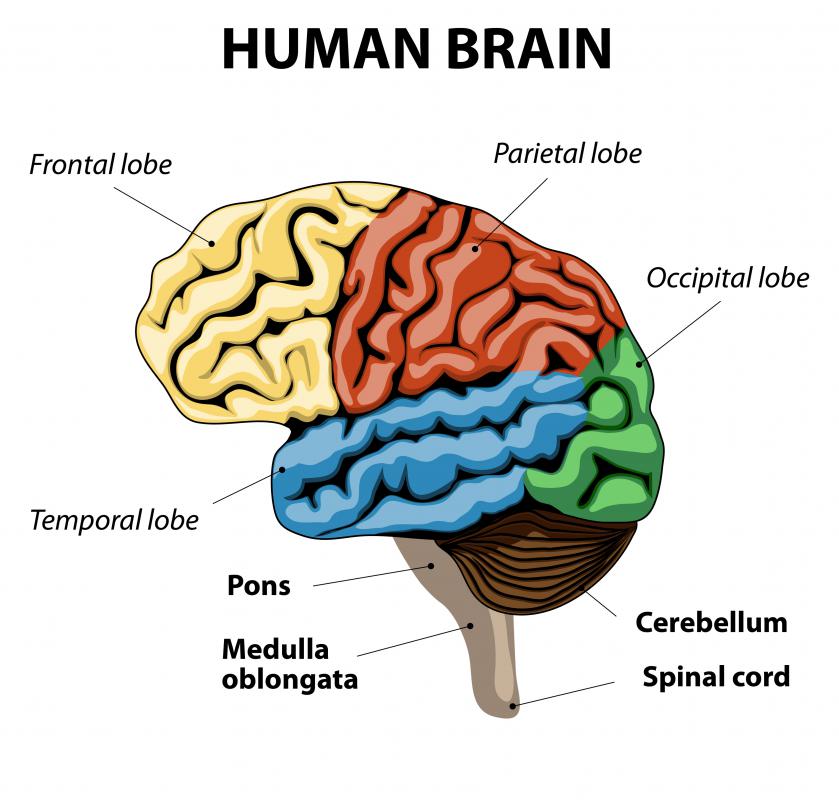
![A stroke can cut off blood supply to part of the brain.]() By: designuaA stroke can cut off blood supply to part of the brain.
By: designuaA stroke can cut off blood supply to part of the brain.


Discussion Comments
I am a 46 year old female, and I am a pediatrician. Sometimes I have a mild headache. Occasionally it is unilateral. Otherwise I have no other neurological symptoms or signs. I had a brain MRI done, and it shows two or three very small ischemic lesions. Can you please tell me what are they indicate? And what is the prognosis? What treatment should I take to prevent further damage ?
I find it difficult to get information regarding small vessel brain ischemia from doctors. An MRI allows for diagnosis but doctors seem to know little about treatment options, if any. Extensive white matter changes and old lacunar infarcts seem to have caused pain that is presently being treated with gabapentin and an aspirin per day. Does anyone have any suggestions of where to go for evaluation or treatment? I personally believe it will eventually cause dementia. Thank you
@turkay1-- Keeping your diabetes under control with medications/insulin and diet and exercise will reduce your likelihood of developing it. Make sure you have periodic check-ups to monitor blood pressure and sugar levels.
@anon272406-- If you mean ischaemic damage by ischaemic change, then yes.
Ischameic damage due to lack of blood supply to the brain is a cause of dementia. It's blood that supplies brain cells with oxygen and if this oxygen gets cut off, brain cells start dying. This leads to small ischemic vessel disease in the brain and eventually, dementia.
So the causes of both are the same. Small ischemic vessel disease, if left untreated, is the onset of dementia.
Diabetes runs in my family and my dad and grandmother have small ischemic vessel disease.
I was diagnosed with diabetes a few years ago and I'm worried that I will also develop this disease when I'm older.
Is there anything I can do to prevent it or reduce the likeliness of having this disease?
Is there a correlation between small vessel ischaemic change and early dementia?
Post your comments