
At WiseGEEK, we're committed to delivering accurate, trustworthy information. Our expert-authored content is rigorously fact-checked and sourced from credible authorities. Discover how we uphold the highest standards in providing you with reliable knowledge.
What is Slow Food?
 Mary McMahon
Mary McMahon
Mary McMahon
Slow Food is an international organization founded in 1989 by Carlo Petrini. While many people believe that it was founded to oppose fast food, the aims of the organization are actually much different, although members are indeed opposed to fast food on principle. The goal is to oppose fast life, a state brought about through rapid industrialization. Fast life has led to the disappearance of thousands of unique local culinary traditions and varieties of food, because industrialized food is easy to package and sell. Fast life has also led to extreme environmental depredation, and Slow Food aims to counteract fast life, starting with the table, but ultimately moving into other fields of play as well.
There are several primary missions for Slow Food. The first is to produce food which is good, clean, and fair, meaning that it has superb taste, is managed in a sustainable and healthy way, and is harvested in good working conditions. Biodiversity is also an important part of the mission, which has established the Ark of Taste in an attempt to save unique varieties of foods ranging from heritage apples to unique breeds of pig. The organization also works to connect producers and coproducers. The term “coproducer” is an invention of Slow Food; if people inform themselves about the source of their food, are active in their communities, and connect with their food producers, they become coproducers, actively contributing to the process rather than being passive consumers.

To accomplish its goals, the organization has hundreds of local chapters, or convivia, worldwide. Regular meetings are held to talk about issues ranging from raw milk cheese to deforestation, and Slow Food also holds a number of tasting parties to fulfill another aim of the organization: taste education. At these tastings, guests can taste the flavors that the organization is working hard to save, and can experience the different between conventionally produced foods and foods from artisan producers.
Naturally, fast food is in opposition to Slow Food values, which include protecting unique culinary heritage and the environment. But most conventional agriculture is contrary to these ethics as well, because it is highly mechanized, homogeneous food, grown from seeds engineered to perform in a particular and predictable way, using pesticides and herbicides, and harvested by underpaid labor working in dangerous conditions. The organization hopes to educate consumers, get them thinking about where their food comes from, and ultimately reform the way we live, not only at the table, but in all of our actions.
Mary McMahon
Ever since she began contributing to the site several years ago, Mary has embraced the exciting challenge of being a WiseGEEK researcher and writer. Mary has a liberal arts degree from Goddard College and spends her free time reading, cooking, and exploring the great outdoors.
Learn more...
Mary McMahon
Ever since she began contributing to the site several years ago, Mary has embraced the exciting challenge of being a WiseGEEK researcher and writer. Mary has a liberal arts degree from Goddard College and spends her free time reading, cooking, and exploring the great outdoors.
Learn more...AS FEATURED ON:
AS FEATURED ON:









-
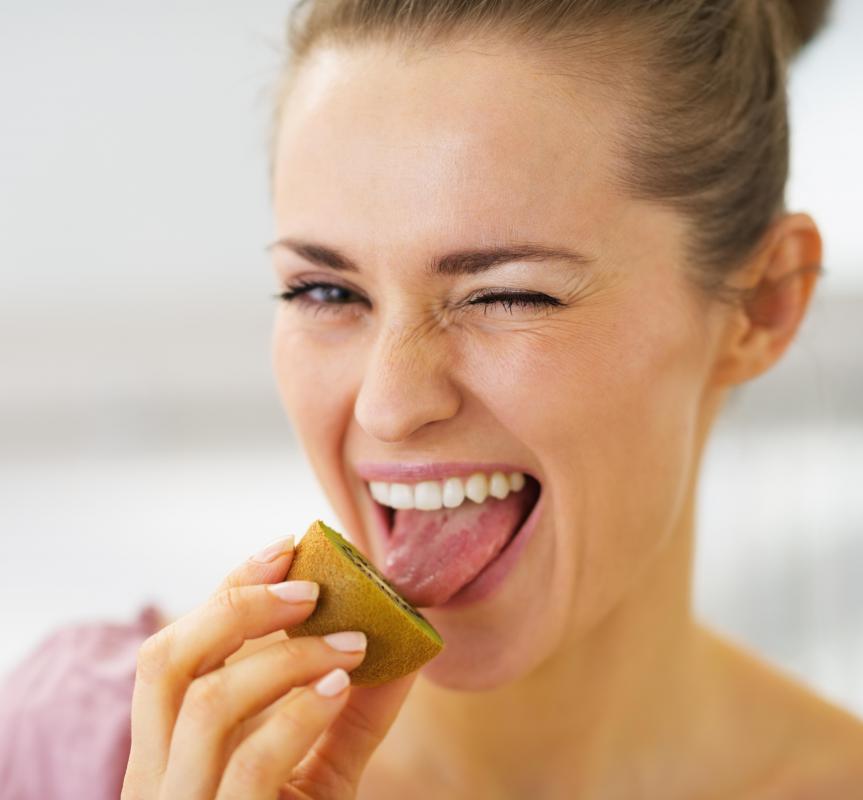
![One of the goals of Slow Food is to produce food that tastes good.]() By: AllianceOne of the goals of Slow Food is to produce food that tastes good.
By: AllianceOne of the goals of Slow Food is to produce food that tastes good.
Discussion Comments
S-L-O-W: Seasonal-Local-Organic-Wholegrain.
I agree.
I think slow food also is generally associated with cooking food at slow speeds, which helps in retain it taste and prevent it from the bad effects of cooking on high temp/burner. It also associated with eating slowly and to chew more which helps in eating less food, good family time and less problem of constipation. So be supporter of slow food. Adopt this way of cooking and eating. You will enjoy your life.
What a great idea. We tend to get caught up in the the fast pace and ease of preparation of food that we do not eat healthy any more. Even Mediterranean diet, that is so lauded as one of the healthiest diets is on the decline, according to United Nations Food and Agriculture Organization.
In the last 40 years or so, the obesity level in Mediterranean countries, which was practically unknown before 1960's, has increased by leaps and bounds. There are a number of reasons why this happened, such as higher income, eating out, less time to cook, since more women are employed outside of home and others.
It would be a pity to loose some of these great and healthy traditions. That is why the Slow Food organization is so valuable.
Post your comments