
At TheHealthBoard, we're committed to delivering accurate, trustworthy information. Our expert-authored content is rigorously fact-checked and sourced from credible authorities. Discover how we uphold the highest standards in providing you with reliable knowledge.
What is Sinus Bradycardia?
 Sara Schmidt
Sara Schmidt
Sara Schmidt
People who have a very slow heartbeat may find that they actually have a condition known as sinus bradycardia. Patients with this condition may still have normal, regular heartbeats, however, they are much slower than average heartbeats, at only 60 beats per minute or less while at rest. Some common causes of sinus bradycardia include rigorous physical exercise, irregular sleep patterns, hypothermia, and the use of some medications. Aside from a rather slow heartbeat, some patients also experience additional symptoms such as lightheadedness, chest pain, and shortness of breath. Treatments vary depending on the severity of the case; some patients do not require treatment, others need medication, and still others require a pacemaker.
Causes

Named after the sinus node in the heart that is responsible for maintaining a heartbeat, sinus bradycardia can actually be a positive health condition, indicative of good health. Many athletes develop the condition as a result rigorous conditioning through physical exercise, causing the heart to pump at a steady speed. Oftentimes, a healthy person whom does not exercise regularly can still have the condition with or without additional symptoms.

Other, less healthy causes of sinus bradycardia can include conditions related to sleep such as irregular sleep patterns and sleep apnea. Hypothyroidism, hypothermia, hypoglycemia, seizures, and electrolyte disorders are some well-known conditions that may lead to sinus bradycardia. Exposure to certain toxins, such as atenolol, diltiazem, and organophosphate, can also be a cause of the condition.

The use of some medications has also been known to create a slow heartbeat; common drugs that can cause the condition are normally heart medications such as beta-blockers, calcium channel-blocking medicines, and digitalis glycosides. These are often prescribed to treat high blood pressure and other heart-related conditions. Some other drugs known to cause the condition include toluene, fentanyl, clonidine, lithium, topical ophthalmic acetylcholine, sufentanil, paclitaxel, alfentanil, dimethyl sulfoxide, and reserpine.

Cases of severe sinus bradycardia may present more of a concern. These can be caused by a disease of the sinoatrial node, such as sick sinus syndrome, which usually occurs in the elderly, and has a poor prognosis. In rare cases, the condition may also be a symptom of another infection, such as viral myocarditis, diphtheria, and rheumatic fever.
Symptoms and Diagnosis

Sinus bradycardia symptoms can vary. Aside from a slow heart rate, patients may encounter dizziness, vertigo, lightheadedness, hypertension, and syncope; chest pain, shortness of breath, and an inability to exercise may also be experienced. Irregular heat beats can also occur, including junctional, atrial, or ventricular ectopic rhythms. Fainting may also result should the heart delay to a very slow beat. It can be caused by choking as well, which is known as the vasovagal reflex — since sinus bradycardia patients already have a slow heartbeat, when the heart slows even further during choking, fainting can result.

Health professionals may be able to diagnose this condition after doing a physical exam, questioning the patient regarding symptoms, and completing an electrocardiogram (EKG). It should be noted that an EKG will only show signs of the condition the heart rate is slowed during the actual test; this can be a problem for some patients as the condition seems to come and go. One possible solution is for patients to use a portable electrocardiogram device, also known as a Holter moniter, to record the heart's rhythm.
Treatment

As with most conditions with multiple causes, treatment varies with each case, and some patients do not need any treatment. A patient may be prescribed medication to rectify an abnormal heartbeat. For some patients, a pacemaker may also be needed, particularly in the case of a disease of the sinoatrial node. Some steps may be taken at home to help avoid and treat the condition such as controlling cholesterol and blood pressure, eating a diet low in sodium and fat, avoiding tobacco, and exercising regularly.
Sara Schmidt
A graduate of Southeast Missouri State University, Sara has a Master’s Degree in English, which she puts to use writing for TheHealthBoard and several magazines, websites, and nonprofit organizations. She has published her own novella, and has other literary projects currently in progress. Sara’s varied interests have also led her to teach children in Spain, tutor college students, run CPR and first aid classes, and organize student retreats.
Learn more...
Sara Schmidt
A graduate of Southeast Missouri State University, Sara has a Master’s Degree in English, which she puts to use writing for TheHealthBoard and several magazines, websites, and nonprofit organizations. She has published her own novella, and has other literary projects currently in progress. Sara’s varied interests have also led her to teach children in Spain, tutor college students, run CPR and first aid classes, and organize student retreats.
Learn more...AS FEATURED ON:
AS FEATURED ON:


-
![Athletes may have sinus bradycardia.]() By: GelpiAthletes may have sinus bradycardia.
By: GelpiAthletes may have sinus bradycardia. -
![Irregular sleep patterns and sleep apnea are unhealthy causes of sinus bradycardia.]() By: Gina SandersIrregular sleep patterns and sleep apnea are unhealthy causes of sinus bradycardia.
By: Gina SandersIrregular sleep patterns and sleep apnea are unhealthy causes of sinus bradycardia. -
![Chest pain might be caused by sinus bradycardia.]() By: Igor MojzesChest pain might be caused by sinus bradycardia.
By: Igor MojzesChest pain might be caused by sinus bradycardia. -
![Sinus bradycardia can be caused by choking.]() By: nebariSinus bradycardia can be caused by choking.
By: nebariSinus bradycardia can be caused by choking. -
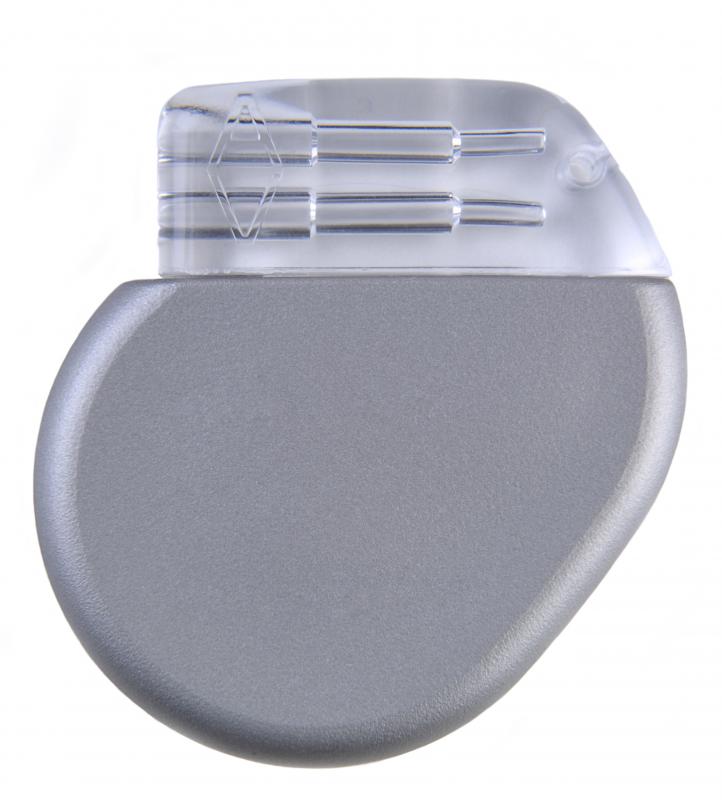
![A pacemaker may be used to treat sinus bradycardia.]() By: Carolina K Smith MDA pacemaker may be used to treat sinus bradycardia.
By: Carolina K Smith MDA pacemaker may be used to treat sinus bradycardia. -
![Sinus bradycardia may cause vertigo and dizziness.]() By: elizalebedewaSinus bradycardia may cause vertigo and dizziness.
By: elizalebedewaSinus bradycardia may cause vertigo and dizziness. -
![Sometimes electrocardiogram tests are used when diagnosing sinus bradycardia.]() By: Monkey BusinessSometimes electrocardiogram tests are used when diagnosing sinus bradycardia.
By: Monkey BusinessSometimes electrocardiogram tests are used when diagnosing sinus bradycardia. -
![Symptoms of sinus bradycardia can include shortness of breath.]() By: DURIS GuillaumeSymptoms of sinus bradycardia can include shortness of breath.
By: DURIS GuillaumeSymptoms of sinus bradycardia can include shortness of breath.







Discussion Comments
I had an ECG. I had numbness and tingling in my arm. They said it was sinus bradycardia. I had another ECG and it's fine. I'm 45 and overweight and smoke. The doctors told me to come back in a fortnight if I still feel the same. I just don't feel right. Any suggestions?
I am also a sinus bradycardia patient. My average heart rate is 50, but during my sleep it goes down to 30. My doctor tells me there is no medication for me. What kind of exercise can I do?
My husband was diagnosed with sinus bradycardia. He has had it for six years but it wasn't severe. He was put on Diltiazem and Nitroquick pills.
In June he was in the hospital due to low heart rate, blood pressure and chest pain. A tilt table test was done and his heart stopped for nine seconds when he passed out. After a month of futzing with the local hospital, we got a second opinion at a bigger hospital.
Last Tuesday they implanted a pacemaker. He is doing much better, and is having no dizzy spells and no chest pain.
If you have sinus bradycardia and the docs don't seem to listen, go to a bigger hospital and get checked out. Docs at the hospital said if we would not have got a second opinion, in a year my hubby would have been dead. It was just a matter of time until his heart stopped and didn't restart. Take care, everyone!
I am a 32 year old male who works out strenuously daily. About a year and a half ago I started having vertigo, initially diagnosed as BPV, but head movements did not relieve symptoms, and my symptoms did not seem to fit.
I eventually had an ECG/EKG and found out I had sinus bradycardia. My resting heart rate is usually around 64. Is there a relationship between this heart issue and the vertigo, which seems nearly constant. The vertigo symptoms increase with altitude (skydiving) and working out at altitude.
I am just looking for the cause of the vertigo because it's driving me crazy and I keep getting told it is simple BPV. Any thoughts out there?
I am from India. I am writing this in answer no. 2 above. I am a Navy veteran and have been working out for the last 30 years. I jog, bend, stretch and do a number of stretching/breathing exercises in the open which would take at least 90 minutes every day. I am now 54.
I have been taking 50 mg Atenalol and 5 mg Amlodipine for the last 12 years for Hypertension. Some months ago during normal ECG I was fond to be having sinus bradycardia. There were no symptoms absolutely.
My cardiologist at the military hospital said this is also called athlete's heart, and told me not to worry. He also told me no medication was necessary. I continue to lead a healthy life without any hassles. Atreya
does anybody know if bradycardia can cause fits.
In December, while working out at the local gym using the elliptical machine, my heart rate suddenly went to 196 BPM. I had no pain or breathing problems. I had a slight tightness in the chest and behind the head. Upon arrival at the hospital emergency room my heart rate was 235 BPM. I was light-headed and sort of stomach sick. The doctor performed defibrillation of my heart. Seconds after the electrical shock to my body, my heart rate returned to 56 BPM.
The doctor suspected I had a cardiac infarction with sinus bradycardia and sinus arrhythmia. I work out at least four times a week and my resting heart rate has always been 50 to 55 BPM. A week later, I went to St. Mary's Hospital to be examined by a heart surgeon. The heart surgeon recommend several tests be done, to include x-ray photos of the heart. The doctor explained to me the x-ray wasn't guaranteed to be safe and there was a chance the x-ray could cause additional medical problems. Since I was feeling better, I decided to go back to the gym and test my body.
I've decided now to forget the incident ever happened and continue to go to the gym. I believe my problem was related to not drinking enough water. The sad part is, I spent a large sum of money and found out nothing regarding my medical problem.
@anon68747 -- An EKG with sinus bradycardia and t-wave flattening are signs of hypothyroidism. These, particularly in conjunction with a prolonged QT interval, are common symptoms of this condition.
In this situation, the doctor should focus on treating the hypothyroidism rather than pursuing a course of sinus bradycardia treatment -- this is a time when you need to fix the cause, not the symptom.
@MusicShaman -- I don't think there's a specific condition consisting of sinus bradycardia with sinus arrhythmia. The two often happen together, but they are not necessarily comorbid conditions.
Sinus arrhythmia is just an abnormal heartbeat rhythm. This often shows up in people with sinus bradycardia because their hearts aren't pumping properly anyway.
In fact, sinus arrhythmia can be one of the symptoms of sinus bradycardia, since the two often go hand in hand.
Hope that helps!
Does anybody know what sinus bradycardia with sinus arrhythmia is? I'm trying to write an essay on the subject and just keep confusing myself.
Help!
What is the significance between sinus bradycardia and t-wave flattening?
Post your comments