
At Sports&Hobbies, we're committed to delivering accurate, trustworthy information. Our expert-authored content is rigorously fact-checked and sourced from credible authorities. Discover how we uphold the highest standards in providing you with reliable knowledge.
What is Shutter Speed?
Shutter speed is a photography term that indicates the length of time the shutter is open to allow light exposure to the film or image sensor. Used in conjunction with aperture size (f-stops), this speed determines total exposure and can be changed to create different effects. It is measured in seconds, typically fractions of seconds.
When a camera is being used in automatic mode, the shutter speed is adjusted automatically, but the speed can be adjusted manually on most SLR film and digital cameras. Lighting and movement are typically used to determine the proper speed. A slower one is used in low lighting, while a short, or quick, speed is usually used to capture moving objects. To create dramatic effects, such as intentional blurring or other artistic effects, the speed may be adjusted to atypical levels for the given conditions.
The shutter speed of most cameras can be adjusted in increments from 1 second to 1/1000 of a second, but longer and shorter exposure times can be achieved on some cameras. There are some rules of thumb for setting the speed, such as slower settings in low light and quicker settings for fast-moving subjects, but determining the right amount for the desired effects is more a matter of trial and error.
To adjust shutter speed, a person must first set his or her camera to a manual setting. Most cameras today have a digital display viewable on the screen in the viewfinder. Most displays omit the 1 and display only the denominator of the fraction, so a shutter speed of 1/125 will be displayed as 125, while 1/500 will be displayed as 500 on screen. A setting of 125 is slower than a setting of 500.
While adjusting the speed in various conditions and for various subjects will change the overall effect of the image, experimenting with apertures and sensitivity (ISO) as well is essential to understanding the full impact specific settings can have on the overall photograph.
AS FEATURED ON:
AS FEATURED ON:


-
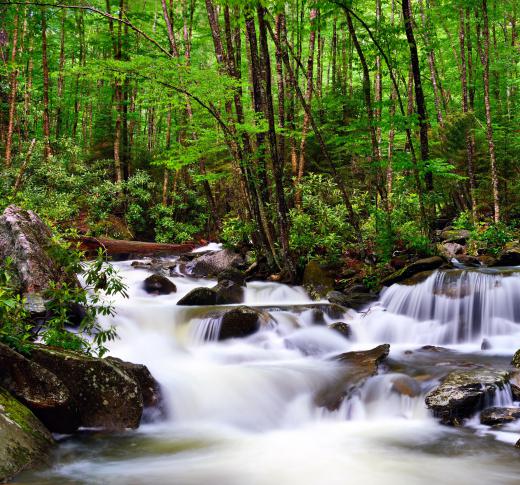
![A slow shutter speed can be used to blur objects -- such as running water -- to show motion.]() By: SeanPavonePhotoA slow shutter speed can be used to blur objects -- such as running water -- to show motion.
By: SeanPavonePhotoA slow shutter speed can be used to blur objects -- such as running water -- to show motion. -
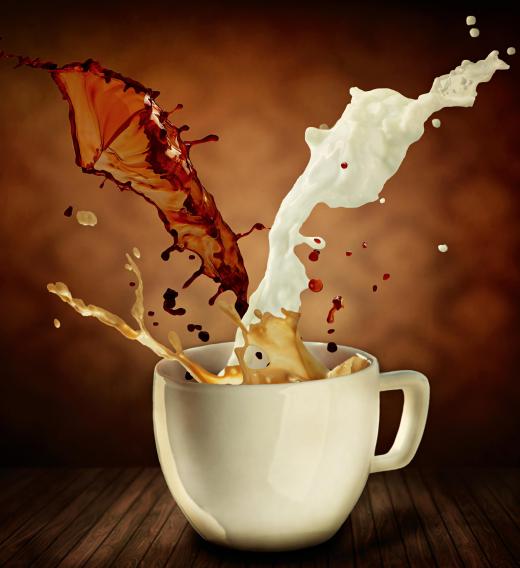
![A fast shutter speed can capture and freeze motion.]() By: Subbotina AnnaA fast shutter speed can capture and freeze motion.
By: Subbotina AnnaA fast shutter speed can capture and freeze motion. -
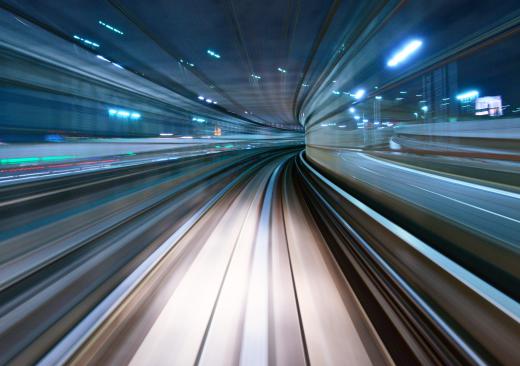
![A slower shutter speed is typically used in low-light areas.]() By: SeanPavonePhotoA slower shutter speed is typically used in low-light areas.
By: SeanPavonePhotoA slower shutter speed is typically used in low-light areas. -
![A fast shutter speed is often used in broad daylight.]() By: ollyA fast shutter speed is often used in broad daylight.
By: ollyA fast shutter speed is often used in broad daylight.


Discuss this Article
Post your comments