
At HomeQuestionsAnswered, we're committed to delivering accurate, trustworthy information. Our expert-authored content is rigorously fact-checked and sourced from credible authorities. Discover how we uphold the highest standards in providing you with reliable knowledge.
What is Sewing?
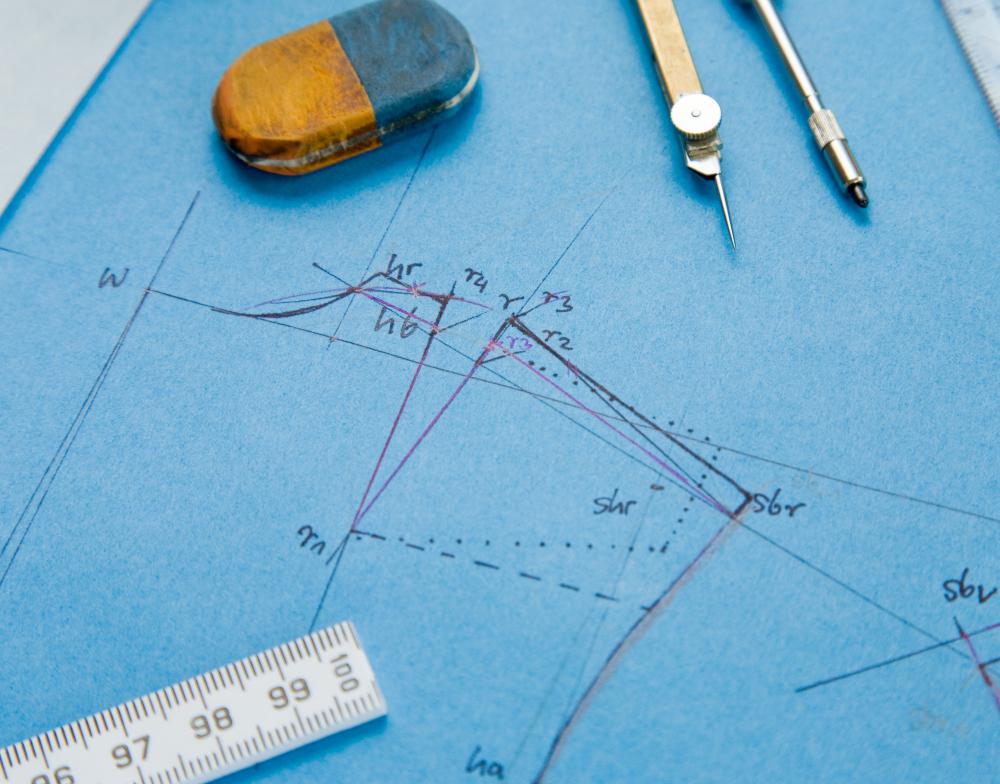
Sewing is a craft that involves stitching fabrics together either with a needle and thread by hand or with a machine. Although it's a needle craft, it differs from knitting, crocheting, needlepoint, cross stitch, embroidery, and the like because it's not decorative, but rather constructive. After paper patterns are pinned into place on fabric and cut out, they are sewn together to create a finished garment or other item. Sewing can also be done without a pattern or to create temporary stitches or to repair previously sewn items.
If a thread becomes loose in a sewn item, the stitches may unravel and require restitching to repair them. In repair sewing, pulling the threaded needle in and out of the fabric at the same lengths and places as the other remaining stitches can make a repair nearly invisible. Replacing a missing button on a garment follows the same procedure, although there are different possible ways to place the thread to sew on a button. While repairs are usually sewn by hand, most garments are created using a machine, which can range from simple to complex.

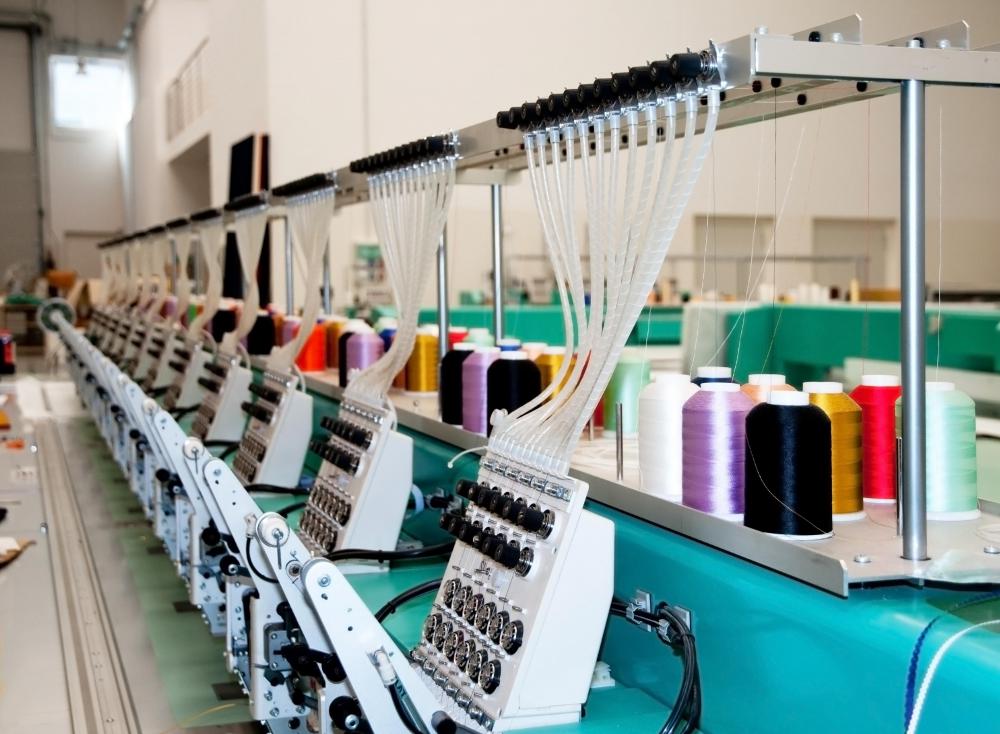
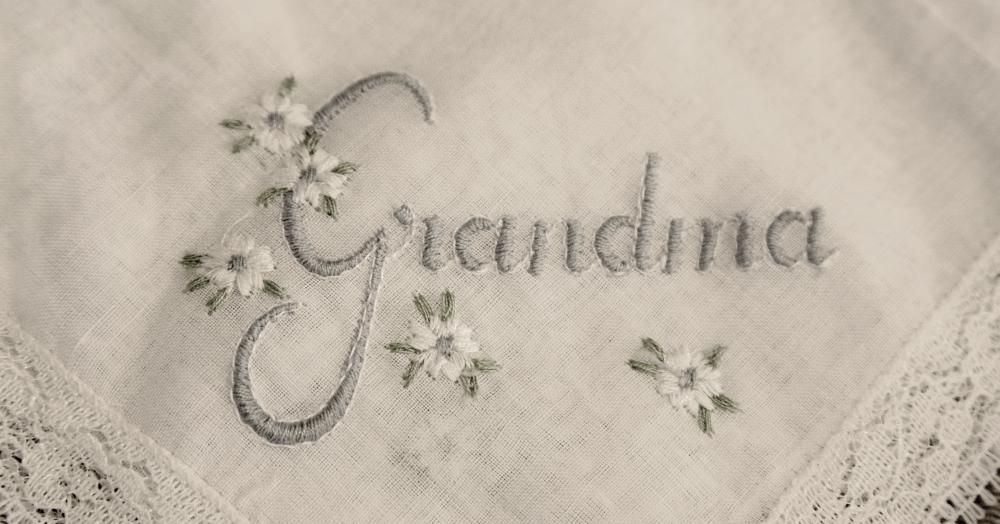
Some sewing machines do intricate stitches in addition to basic construction stitching, such as embroidered decorative details. Though to sew is to attach fabric pieces together with stitches, to embroider is to stitch in order to embellish or decorate the piece. When people sew items on a machine, they often still do some hand stitching. For example, basting is done by hand using larger, widely spaced stitches to hold two pieces of fabric together temporarily. This way, the pieces can stay together as the permanent stitches are being added.

Often taught in school in home economics classes, sewing may be simple or complex, depending on how detailed of a pattern is involved. In general, pants are more difficult to make than tops, although blouses with buttonholes or contoured seaming are not beginner projects. Beginner projects often considered simple to sew include an apron, elastic waist skirt, pillow cover, and t-shirt style top.

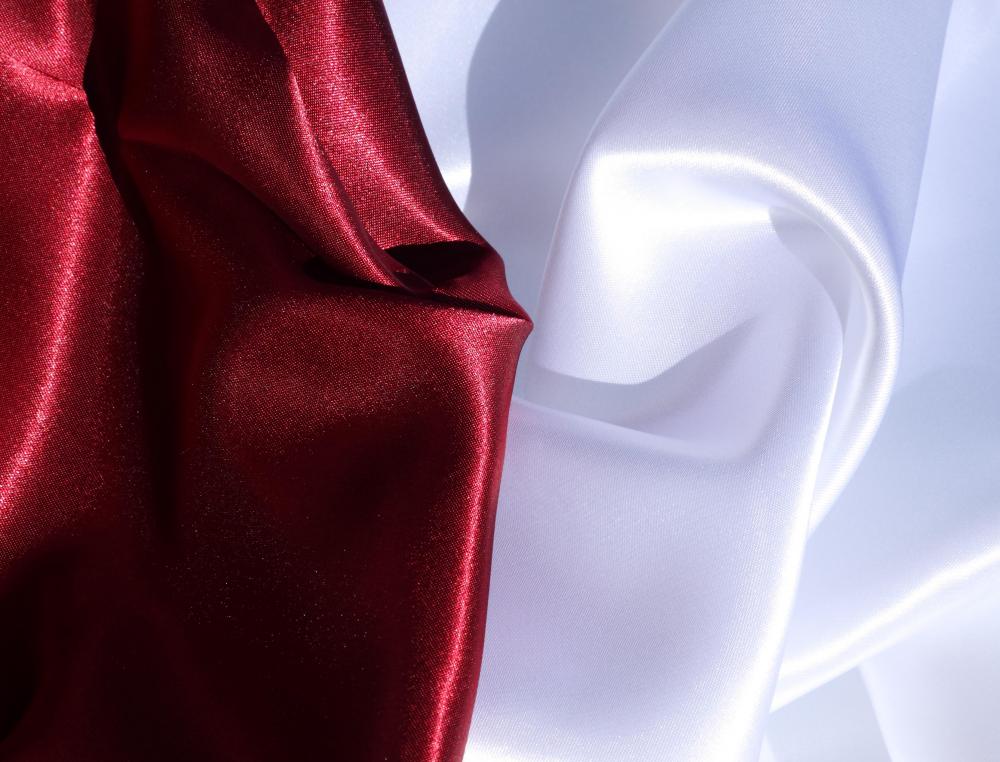
Heirloom sewing, which is the creation of special occasion clothing for adults and children, is an example of advanced techniques in the craft. Often, an heirloom piece includes a complexly sewn feature such as gathered, stitched smocking on the front of a child's dress. Another factor that makes heirloom projects difficult to sew is the types of fabrics typically used. Expensive, difficult fabrics to work with such as silk, satin, and sequined fabric are often used in this type of stitching.
AS FEATURED ON:
AS FEATURED ON:


-
![A person sewing.]()
A person sewing. -
![Embroidery, which could be done with an industrial machine or even by hand, is decorative, whereas sewing is constructive.]() By: Moreno SoppelsaEmbroidery, which could be done with an industrial machine or even by hand, is decorative, whereas sewing is constructive.
By: Moreno SoppelsaEmbroidery, which could be done with an industrial machine or even by hand, is decorative, whereas sewing is constructive. -
![Three spools of thread.]() By: CarlsonThree spools of thread.
By: CarlsonThree spools of thread. -
![Satin is expensive and difficult to work with.]() By: UnclesamSatin is expensive and difficult to work with.
By: UnclesamSatin is expensive and difficult to work with. -
![Patterns are commonly used in sewing.]() By: Robert KneschkePatterns are commonly used in sewing.
By: Robert KneschkePatterns are commonly used in sewing. -
![Embroidery is decorative, not constructive like sewing is.]() By: South12thEmbroidery is decorative, not constructive like sewing is.
By: South12thEmbroidery is decorative, not constructive like sewing is.


Discussion Comments
I'm learning to sew and trust me, it is definitely a life skill that everyone should know or at least master the basics of.
I got my wife a sewing table for Christmas last year and she loves it. Before that she would keep all her sewing projects in a bin and drag it out onto the dining room table whenever she wanted to work. Now she keeps everything on her sewing table and it stays a lot better organized.
I got married two years ago and we now have a little one, and I am realizing that I can't even thread a needle. I think this will become a problem sooner rather than later.
I am a man in my late 20s but I sew all the time. It was a skill that both my mom and grandmother taught me and it comes in handy all the time.
If a shirt rips or a button falls off I can fix it in a jiffy. If I buy a pair of pants that is too long I can hem them myself. There are all kinds of little sewing projects that come up in daily life that most people, especially guys, have no idea how to deal with them. My mom and her mom were smart enough to know that sewing is a basic life skill, regardless of your gender.
You can also knit using machines, though not to quite the extent and detail that you can achieve with hand knitting.
I don't know if I like that the first sentence refers to knitting and crocheting as though these activities are decorative. Like in sewing, these crafts create a fabric garment; in fact, I think the real difference is that they create the fabric itself, which in some cases does need to have seams sewn in and such later. A small thing, but something to keep in mind- knitting and crocheting are not merely decorative practices any more than sewing is.
Post your comments