
At TheHealthBoard, we're committed to delivering accurate, trustworthy information. Our expert-authored content is rigorously fact-checked and sourced from credible authorities. Discover how we uphold the highest standards in providing you with reliable knowledge.
What is Septicemia?
 Mary McMahon
Mary McMahon
Mary McMahon
Septicemia is a serious medical condition characterized by inflammation of the whole body. It is caused by bacteria which enter the bloodstream, triggering an immune response which results in inflammation and a slow shutdown of the body's systems for handling infection. This medical condition can be deadly, especially if the patient is allowed to progress into the stage of shock, and onset can be alarmingly rapid. If septicemia is suspected, a patient should be taken to a hospital for immediate medical attention.
The causes of blood poisoning are quite varied. Typically, the patient is vulnerable because of his or her age or condition, and bacteria simply takes advantage of the situation. Surgery, latent infections, and burns can all lead to septicemia, which is one very good reason to monitor any infections to ensure that they do not spread. A case of septicemia starts with bacteria or toxins that they produce entering the bloodstream, resulting in a coagulation of the blood as the body tries to fight the bacteria.

A patient with the condition tends to look very bad. The condition is marked by confusion, chills, sweating, weakness, a rash, and an elevated heart rate. Most people also have a high fever, though this may not appear in the elderly or those who are very weak. Respiration is also often rapid, and the patient may turn pale as well. If the condition progresses, the patient's blood pressure will drop, and the bacteria will start attacking major organs of the body, including the brain, rapidly causing severe damage which can be very difficult to treat.

This condition is also known as “blood poisoning,” in a reference to the fact that the patient's entire vascular system is compromised. Some people also refer to it as sepsis, a term which actually refers to any sort of inflammation response as a result of infection. One of the primary treatments for septicemia is antibiotics, which are administered to kill the bacteria causing the condition. Transfusions of blood may also be utilized, along with dialysis and fluid replacement for patients suffering from diarrhea. Patients with s severe case may be put on life support to help them breathe and to stabilize their heart rates.

Prevention of septicemia is, of course, preferable to treatment. Unfortunately, some cases are hard to prevent, as this condition can strike unpredictably. Maintaining good hygiene and general health is a good way to start, because it minimizes exposure to bacteria and ensures that your body can resist bacterial infections when it is exposed to harmful organisms. If you have had surgical procedures, you should keep an eye on the site where the procedure was performed, and do not be afraid to speak up about soreness, swelling, and general discomfort. It is also important to receive medical treatment for deep cuts and puncture wounds so that these sites can be flushed and you can take prophylactic antibiotics to prevent sepsis and the potential onset of septicemia.
Mary McMahon
Ever since she began contributing to the site several years ago, Mary has embraced the exciting challenge of being a TheHealthBoard researcher and writer. Mary has a liberal arts degree from Goddard College and spends her free time reading, cooking, and exploring the great outdoors.
Learn more...
Mary McMahon
Ever since she began contributing to the site several years ago, Mary has embraced the exciting challenge of being a TheHealthBoard researcher and writer. Mary has a liberal arts degree from Goddard College and spends her free time reading, cooking, and exploring the great outdoors.
Learn more...AS FEATURED ON:
AS FEATURED ON:


-
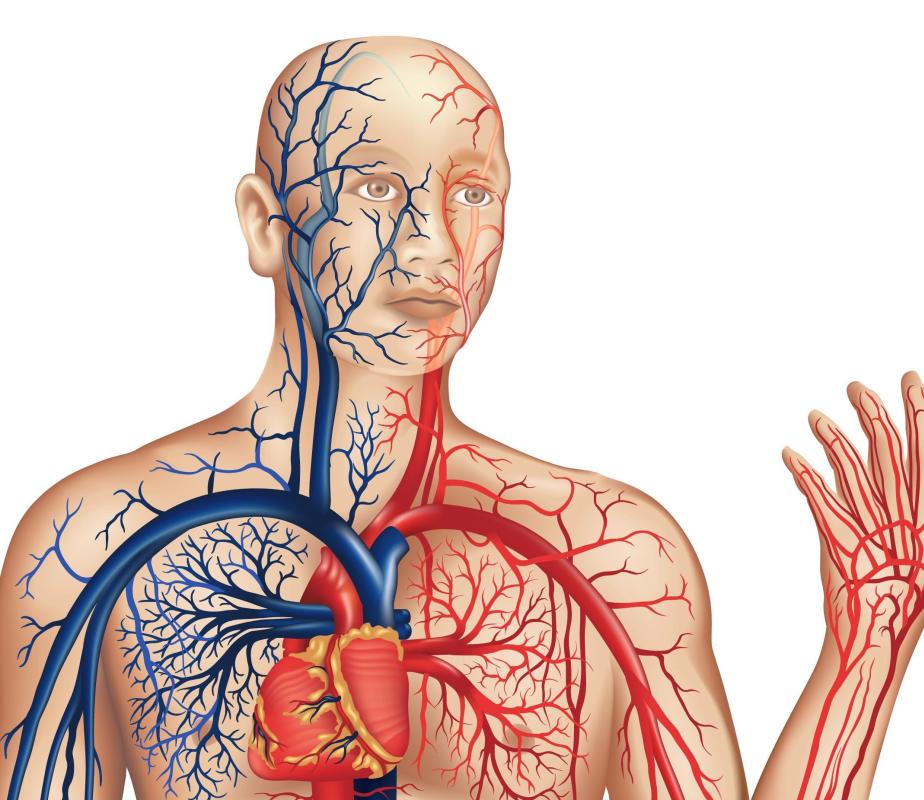
![Septicemia compromises a person's entire vascular system, shown here in red and blue.]() By: Roman DekanSepticemia compromises a person's entire vascular system, shown here in red and blue.
By: Roman DekanSepticemia compromises a person's entire vascular system, shown here in red and blue. -
![Septicemia is caused by bacteria in the bloodstream.]() By: 3dmentatSepticemia is caused by bacteria in the bloodstream.
By: 3dmentatSepticemia is caused by bacteria in the bloodstream. -
![Blood transfusions may be part of the treatment for septicemia.]() By: sudok1Blood transfusions may be part of the treatment for septicemia.
By: sudok1Blood transfusions may be part of the treatment for septicemia. -
![Symptoms of septicemia may include high fever.]() By: kmiragayaSymptoms of septicemia may include high fever.
By: kmiragayaSymptoms of septicemia may include high fever. -
![Symptoms of septicemia may include chills.]() By: Tatyana GladskihSymptoms of septicemia may include chills.
By: Tatyana GladskihSymptoms of septicemia may include chills.


Discussion Comments
My mother just passed from this. It caused her to have a major heart attack and her kidneys to fail. She left us minutes after her breathing tube was pulled out.
Does this disease also cause total muscle tissue loss in entire body and head, plus the whole body burning to the touch? All other symptoms sound right: confusion and vision problems.
@alilou7497: Has your sister had an MRI or CT scan of her head to see if the cancer has spread to her brain? If so, and there is no sign of cancer, then I suspect there are several issues going on here. I am not a doctor, but I speak from experience with my mom and dad.
You said your sister was retaining urine. This can lead to a urinary tract infection, and can create every one of these symptoms: fever, confusion, low blood pressure, septicemia. These symptoms are worse if the person is older.
Also, with the chemo, hospitalizations, infection, etc., it sounds like your sister is suffering from something called "hospital psychosis." This is a temporary condition, most commonly seen in older people, but it can also occur in younger people who are being treated with large amounts of medication and have been hospitalized for a while. It was probably made worse by the infection, which can cause confusion anyway, because of the toxins in the blood. This condition can make people completely irrational and delusional. They may hallucinate and not know whether it is day or night (mixed up light cues are frequently cited as a cause).
The good news is that hospital psychosis will resolve itself once your sister is home and in a familiar environment and on a schedule. But I know just how profoundly disturbing it is to watch, believe me. Talk to your sister's nurse at the rehab center, along with her therapy team and get her on a strict schedule of activity, sleep, eating, therapy, etc. Try to get her out in the sunlight if at all possible. Make sure she has time cues, like a clock she can see, and a TV so she can watch the news. If she doesn't already have one, put up a small dry erase board in her room and put the day's day and date on it every day, along with her daily schedule. Ask the nurses' aides to make sure they identify themselves when they come into her room, and for visitors not to stay too long.
The idea with this is to make sure your sister gets some outside light cues, and gets into a routine that will help orient her. It sounds odd, but as I said, I've been down that road with my mom, and I know it helps.
Once she's home, I'm betting the confusion will clear up completely in a day or two, although she may never have much memory of her time in rehab. Good luck.
My sister has Stage IV breast cancer. Everything was OK and the chemo was working, but then she had urine retention and was admitted to the hospital. They said she was dehydrated and gave her fluids. Then she had seizures and we were told it was because of new brain meds.
After being in bed for about five weeks, she was very weak and needed rehab to strengthen muscles. After about five days in rehab, she had chills in the night and a slight fever of 100.9. The next day she was given an influenza shot and that night, we received a call that her pressure was 77/59 and she was going to the ER.
She looked fine and was upset that they took her to the hospital and at first when her pressure was taken it was 101/65 and they didn’t understand why she was there. Then her pressure just kept dropping and it was about 49/30. We thought she was not going to make it.
She was never put into ICU but she had septic shock. Do people usually go to ICU for septic shock? She is now in another nursing home/rehab. She cannot walk at all and is getting PT and her speech is off, but the worst complication is severe confusion and she is very delusional at times. Is there a side effect of brain issues with sepsis? Doctors do not really say much about this but that she will get better gradually. It is horrible. She doesn’t remember anything. Does this last forever or will it go away. It is like she is two people.
I got septicaemia after a gastroscopy that went badly wrong. I also got septicaemia after a central line infection (I had leukemia at the time). I am so lucky to be alive. Septicaemia gets bad so fast. It was really scary. I was in a coma for four months. Unfortunately, I lost one of my legs, but I have learned to walk again. I am 19 years old now and I appreciate every minute of every day.
@anon343940: I'm sorry for what you are going through with your brother. I'm in favor of socialized medicine in theory, but in practice we will see more deferred care, illness, and death due to fewer doctors and more bureaucracy. I hope your brother has a good outcome. Although I have had poor health since 1986, at least I lived and have been able to pass that blessing on to many people.
My dear brother is currently in the ICU with multiple organ failure due to septicemia. He was having a problem with his bowel, having tests done for a blockage or bowel necrosis. Waiting for appointments, going from one doctor to the next and his bowel ruptured.
He is now on a respirator, his kidneys have shut down so he's on dialysis, his liver is not functioning, he has gone into cardiac arrest once already and is in a coma. I'm told he is too critical to move to assess his brain activity so we sit and pray.
I think everyone in the family knows he is not coming home but can't seem to say it out loud. I just can't believe how fast septicemia claims their victims. Just last week, we had lunch together and now I have to think about his funeral. --a sister grieving her only brother
My mom has septicemia and she can't talk. Her legs and face are looking bad. I'm in shock because my mom is suffering so much.
I had septicemia 26 years a go after a C-section. I was 30 years old. I was on IV gentamicyn for two weeks in the hospital, which saved my life. The gentamycin is ototoxic and my very mild hearing loss progressed to where I needed hearing aids (40 to 50 db loss in the voice range).
The infection affected every organ of my body. I was a healthy young woman and now I take eight prescriptions per day plus my inhaler and two OTC meds. I'll never be the same (I am now 56). Please take it seriously and get thee to a hospital if you suspect it! My sympathies to those of you who lost loved ones. Even with early diagnosis, there is still a poor survival rate.
The mortality rate is about 90-95 percent. You should wish your loved one a safe journey.
I have a good friend who got a dog bite on this past Sunday. Then Monday he was hurting in his lower back really bad and went to the doctor on Tuesday where he was admitted to the hospital with a bacterial blood infection/low blood pressure/failing kidneys. He has been in ICU since yesterday and today they said he is in the Critical Care Unit. They cannot figure out what exactly is causing this (dog bite? dog had a wound on his leg and was a stray dog) therefore his condition is just deteriorating quickly.
What are your thoughts about what should be done for him? They did narrow his veins to try and get the bp up and it did help. Oh, I forgot to mention he is on a ventilator. Pray everyone! Please.
I suffer from UTI (urinary tract infections) constantly. I would always get extremely ill. The first day I would have urinary pain and the next two or three days would have flu-like symptoms. I have suffered from this for about 10 years now. From ages 17-27, I have just had UTI and never taken them seriously. I just kind of dealt with it.
Two weeks ago, I was suffering from another UTI and did what I usually do: nothing. My mother finally made me go to emergency services (against my better judgment) and they told me I had a UTI and prescribed some antibiotics, which is just what I thought they would do. On the drive to the pharmacy, I started to become freezing cold with chills, but I was used to this because I get flu-like symptoms with my UTI.
It worsened dramatically within 30 minutes and I started to convulse and seizure uncontrollably. Thank the Lord my father was with me and drove me immediately to the emergency room. My fever rose from 98.9 to 107.4 in a matter of 20 minutes. I because unconscious and for almost four hours, they fought to save my life. At one point, my pulse was so low that they told my father they could do nothing else. Since he is my guardian angel, he told them to do everything in their power to save me. Suffice it to say, my will to live outweighed the infection's will to kill me!
When I finally awoke, they were just as amazed as my family to see me doing well. They had never seen a fever that high, let alone see anyone recover so quickly.
I believe that with my awesome diet, my father, will to live and guardian angels, I survived. I was only in ICU for two days and was released two days later. They have never seen that before, but I refused to let it beat me. I didn't know at the time how serious it was until my father told me last night that they diagnosed me with severe septicemia and I am now researching it!
I am writing on here today to urge women to always treat their UTIs (or anyone for that matter). I never took them seriously and seriously, almost died. I am thankful for my life and that I do not have any brain damage. I am thankful for all the angels who took care of me and still do.
Septicemia almost killed me when I had my wisdom teeth removed.
My father passed away due to septic shock. Initially he was admitted to the hospital since his kidneys were failing. Everything was all right after the dialysis was done. But on the second day he suffered cardiac arrest (and the doctors were not able to say why it happened in the ICU). He was revived successfully. He had a tracheotomy and he was unable to talk. He was conscious and oriented all the time. He was in the ICU for nearly two months before the sepsis took over.
I am still unable to cope with his death. Life's come to a standstill. All I can think about is the memories when he used to hold my hand in the ICU and wrote on paper if was going to be fine. I so miss him. Life is so cruel.
My mum's been in the hospital since Friday, with confusion, a high heart rate, raging temperature, pale -- all the signs of septicemia. She was in one hospital where they hardly did anything for her. She was just a number in a ward until she got a lot worse and has been transferred now to another hospital, where she is in intensive care, sedated and on a heavy dose of antibiotics.
They have sedated her to keep her comfortable and allow the drugs to work, as when she woke up she was so confused she ripped out all of her tubes and wires. As far as I know, she hasn't gone into the shock phase. The hospital rang and said there's been no change in condition last night, which I'm taking as a good sign and her temperature has gone down. Do you think she has a good chance?
My friend suffered from septicemia at the time of her second delivery. After having bed sores, dialysis and extreme pain and discomfort at least for three months after her delivery, she is now okay, but her foot is deformed as a result. Furthermore, she blames her child for this mishap. Will she ever be able to walk normally again? She walks on the side of her foot. She wears a splint but not all the time.
I got septicemia after the birth of my fourth baby in 2008. My symptoms were really high fever, confusion, then not been able to get up. My midwife thought I had a tummy bug and said to go to the doctor if I was still sick in a day or two. The following day, my sister turned up to find my five day old baby on the floor screaming and me not far from her, unconscious on the floor.
I don't remember much, but I woke up in ICU, where I stayed for six weeks! I had to learn to walk again and now need warfarin as my blood clots now. Four years have passed and apart from the ugliest scars down my tummy from the five life saving operations I needed to live, I am pretty healthy, but will never forget the pain or how close I came to death!
My sister saved my life that day. They say another hour and I would have been dead, so thanks to her I am still here to raise my four – now five – most amazing beautiful kids. Thanks, Lareesa!
My friend died because of septicemia. It was really shocking because she was admitted in the hospital friday and died on Tuesday, in a short span of time. She wasn't in the ER or ICU. I don't know why.
I read all the other posts, mostly that the patients should be in ER or ICU for proper medication. When we visited her, she was in her room, and we knew that she was suffering and in so much pain. She was having seizures maybe every 15 minutes at that time.
What's more painful is the doctor only visited her every morning and didn't see when she had seizures. They only took blood work and they got their result that it was septicemia the day that my friend died.
I know that the hospital and the doctor have something to do with her death. We can't be blamed for turning the fault on them because if they'd been more attentive and had been thinking of the patient first, instead of the profit, she would have survived.
She left a two year old son and a daughter. May she rest in peace.
Could septicemia be caused from a break in the skin causing infection? And if so and this was treated with antibiotics, could inflammation stay present in certain parts of your body for a number years after the event?
I have been battling septicemia for almost four years on and off. I am prone to UTIs and other forms of infection. I have next to no immune system. I cut my finger and it is green in hours. I have never had a major surgery besides childbirth, which was natural. I nearly died from a bout of septicemia in 2010. This is how fast it sets in: no signs no symptoms. It was June, and I was eating with my lawyer at a restaurant and my jaw started chattering. I was freezing. All of a sudden, my body started shaking uncontrollably. I went to the ER. The hospital missed it and said I had a UTI even though they never tested the culture they took.
After three days of a constant fever of 102-104 depending on tylenol intake, I went to my doctor, who gave me injections of (sounds like) rocephin. I felt better in a day. The hospital then called me frantically the next day telling me to be admitted to the ICU. Thank god for my primary physician. But now I keep having issues and the injections don't seem to do as good a job and I'm scared. With my issues with infection, I have no idea where its coming from and need help. I have had every test possible. No one can explain why.
Please help. I am still in severe pain mainly in my hands and feet, four months after septicemia which I picked up after my c-section. I am worn out with the pain and having no energy to look after my three young children. Please tell me it will pass soon.
@anon164391: My wife had a kidney stone in 2006. The short story is she ended up in a coma for 13 days, septicaemia being the main cause of the predicament. Four and and a half years later, both her kidneys are working at less than 40 percent, she has NASH - Non alcoholic stepio hepatitis; her liver weighs just under 40Kg. Now I'm not saying this is going to happen to your mom. But once she is over the worst of the infection, just keep an eye in her for secondary complications. My heart goes out to all who are suffering and to those who care for the ones afflicted.
My sister contracted a MRSA infection from foot surgery (and possibly because brother-in-law is ID'd as a carrier now and he is in the hospital presently for systemic infection).
Anyway, my sister was very ill with all the classic symptoms of septicemia. Finally, after some horrible treatment in two ER visits, she was hospitalized just shy of a week for IV antibiotic treatment.
It took months for the medical staff to treat her and give a proper diagnosis. She was constantly turned away due to lack of insurance.
Here is my question. How long would it seem reasonable for her to be lacking any energy and have no appetite? She has lost weight due to vomiting and infection.
To give an idea of her status, she used to play around on the computer all day, playing games/social networking/chatting with family. She smoked and drank coffee pretty much nonstop all day and had a great appetite for the most part. Now, after being home one week from the hospital and having received treatment with antibiotics, she is lucky to connect for five minutes out of the day on the phone or computer and still cannot eat. She has literally no energy. She has not touched a cup of coffee in months! This is someone who was a constant phone talker. It was hard to shut her up.
Is this a normal recovery or should we be concerned that the antibiotics were ineffective and that she is still infected? I don't know how to help her. Anyone with knowledge that may be helpful?
My father died of septicemia in March at HITS Dehradun. He had fungal pneumonia which got wrongly diagnosed as viral pneumonia. The doctor realized this only after his kidneys failed. One week after kidney failure he went into cardiac arrest and he passed away. He was a diabetic and 57 years old.
People who have gone through this, I need your help, please. My mom has got this infection of septicemia and her kidneys are not functioning well and fluid fills her lungs every three or four days causing her to undergo dialysis which makes her more weak.
Now the doctor we are consulting is a neurologist and says the last resort to work out this disease is Plasmapheresis, which is also not improving her health in spite of her being in the icu for more than 15 days. I do not see any marked improvement in her. Is there any other way some other medication can help her? Please let me know.
dear anon 154057: Thanks for wishing and asking about me. yes I am fully recovered from septicemia. may i know where you are from?
I am a live example of someone who has gone through a life and death fight due to septicemia. I had a kidney stone and had pain and the urine stopped passing. I went to a good doctor with vomiting and very, very low blood pressure. I was very critical and an immediate stenting was done.
During this procedure I got septic infection and my condition became worse. I was put on ventilators. Then immediately i was referred to Medanta-The Medicity hospital in Gurgaon. For one complete month I was in ICU. My one kidney failed due to infection and my lungs were filled with water. Finally in a major surgery, my one kidney was removed and my life was saved. Everybody was hopeless regarding my life but my doctors made it. The doctors told that it was the first case which was so complicated and was still handled. I really thankk the kidney doctors' team and ICU team of medicity to give me a new life.
Today I am absolutely normal. No one can guess that I have only one kidney and I had such a major problem in my life. Medicity is great. Regards, Jyoti S.
Recently my one of relatives had breast surgery. She had an expert team for the surgery. After surgery it was found that fresh blood was coming out from the wound area so again surgery has been done. During this process she received blood from the blood bank, but after some time it was found that her kidney and lever functioning is not working properly and she needed antibiotics and dialysis. Doctors are saying that we have to wait for the recovery. Is this a sign of septicemia? Is it curable in this case? Can anyone suggest anything? She is just 39 years old.
rakeshverma I just want to say I am so happy you pulled though. Are you fully recovered.
i suffered from septicemia in march 2005 when i was about 48. i was in a coma for 20 days and on a ventilator.
While in the coma, first my right leg was paralyzed then after two days my heart beat was gone for several minutes, but my brain was working as per the doctors, so they told my family that my story is finished but my mind is working so they can't declare death officially.
After 11 minutes, my heart started again and my coma broke after 20 days. After coming out of my coma, there was a memory problem in the starting days, but after one month, my memory was OK.
i have seen my death in a coma position and also saw that i was revived again after one hour. I have so many and experiences pre septicemia and post septicemia. i want that medical science to know my experience and use it if possible.
i will be very happy if medical science or any patient gets help from my experiences.i was hospitalized in KHRC (kailash hospital and research center Noida(delhi NCR.India). rakesh k.
i had an operation for a perforated bowel and got septicemia now my eyesight is bad. could septicemia make my eyesight bad?
In January 2009 my mother was diagnosed by her doctor as having the norovirus or winter vomiting virus and sent home to take Paracetamol. By March her symptoms had worsened and she was in terrible pain, vomiting and was constipated.
She was eventually given ultrasound, blood tests and an endoscopy but nothing was diagnosed until she was admitted to hospital and a large tumor was found in her bowel. She had it removed but had complications after the surgery with organ failure and septicemia and unfortunately died just under two weeks after the operation in ICU.
We don't know whether this would have happened in any event as she was so poorly by the time she was admitted to hospital or whether anyone can be blamed. Was the surgeon to blame? It is just so hard to get any answers.
It has been almost four years since I posted my comment, and well, the answer is a resounding yes. My wife has never fully recovered and has a mountain of post trauma complications. Diabetes, liver failure, kidney failure, brain damage, PTSD. The list is added to almost every month, with new side affects of the drugs she is on.
The hospital and health care professionals will not admit the link between septicemia and brain damage, although a study was done in Italy confirming what I have said for the past four years. To all of you caring for somebody suffering my prayers are with you.
My father is in hospital right now with septicemia. It is a bacterial infection that can lead to septic shock and death. His kidneys have shut down, his liver isn't functioning properly, he is confused and delirious. He is in a lot of pain, particularly in the joints.
He has dialysis daily and is on massive amounts of antibiotics. Septicemia is not contagious, and we won't catch it by being near him. It is incredible how easily germs can kill people.
I developed septicemia last year after having a radical mastectomy and reconstruction surgery. Once i was out of surgery and in ICU, my breast wound started to break down and die, and it became apparent within a few hours some of the new tissue did not survive the journey.
The wound was treated to a high standard and once home that's when my problems really started! Every day i required the district nurses, morning and evening to dress my wound using all sorts of cutting edge treatments to hopefully separate the dead tissue and promote nice new healthy tissue underneath. After two months of intensive, twice daily treatments, this was achieved and the tissue viability nurse cut off the necrotic (dead) tissue to reveal new, healthy, pink tissue and so i thought my problems were over regarding infection!
Then, my back wound began to play up! As i had reconstruction using my back muscle, i was now left with an empty space where my back muscle used to be. When this happens, the body wants to fill the space and so it produces a fluid called serotonin and fills the space with it (this is normal) and usually it settles down after a while and stops. In some cases though, it can become a problem, when it produces too much fluid and it will have to be drained, as it did in my case but the more it was drained, the more that came back and one day it just became too much and found its way out via my back wound.
This then caused that wound to become infected and no amount of antibiotics were working. After two weeks of taking 6000 mls per day of them, i started to run a raging temp, chills, nausea, dry mouth and finally i became confused, disoriented and when i tried to walk, i felt drunk. i also could not stay awake and just wanted to sleep! Luckily for me,the nurses came, took one look at me, called my medical team and i was in surgery within two hours! Unfortunately it left a big hole in my back and it has taken nearly a year to heal! I am alive and that is all that really matters! Thanks for reading my story!
Just got my wife out of Septicemia/Sepsis by getting a timely diagnosis. She had fluctuating fever/shivering/dizziness and all other symptoms (unknown to layman like me) for about three weeks.
The antibiotics were doing no good and anti fever was doing only limited good. Then she had to make the drastic decision of going to a specialist hospital (incurring heavy cost with various tests and medication) which also caused immense pressure for having nobody to take of children and workload in the office. Six days of hospitalization took care of the symptoms and got her out out of the hospital upon insistence due to mounting cost. The medicine cost whopping USD 3000. Extra medication for three days.
Under prolonged fever, suggest to take blood culture test in consultation with the doctor as early as possible. Cost of specialist depends upon the region/country.
My son died of septicemi in march at age 11. He went into hospital between one and two weeks beforehand and had an operation. Was it through the operation? how come he had it? How quick from first symptoms does it to lead to death? It doesn't make sense.
my brother died because of septicemia, but i don't get it that why the doctor couldn't detect it. We went to three doctors -- three at the clinic and at a general hospital, but none of them detected it and they just said that my brother just had a normal cough and fever.
Why? Why? If they had detected the infection early my brother might still be alive now. I hate that doctor.
@anon75661: Your brother's gallbladder may be infected. If the septicemia is caused by the diseased gallbladder, then in order to relieve the septicemia, which is, indeed an infection, the gallbladder will probably need to come out. You do not want the gallbladder to rupture, since that could cause peritonitis, and with the septicemia he already has, it could be very, very bad.
Sounds like the doctors know what they're doing.
my brother was admitted to the hospital with septicemia. They want to do a gall bladder surgery. He's been battling cancer but doing fairly well. Wouldn't this surgery be awfully risky? how else can they get rid of the infection? Isn't that what septicemia is?
how is septicemia is related to vessel wall deformity?
I have been under a lot of stress in the past month, mainly because of personal problems between me and my boyfriend. But as of late I've been having serious headaches, dizzy spells and crawling into bed and sleeping on and off.
At first I thought it was just stress related and things would be fine, but now I have severe stomach pains (the kind that keep me up at night) and a fever has been added to the mix, I dunno what's wrong. has the stress caused this?
The pain in my stomach is all over, but there is more pain to my left side, and when I poke my finger into the area the pain increases briefly and I feel like vomiting. The feeling the need to vomit is constant. I don't but I always feel like I'm going to.
Me and my boyfriend have settled our differences and things are a lot smoother and happier, but why do I still get these pounding headaches, dizziness and the need to sleep on and off all day? I sleep around 12-18 hours a day now. I don't have the desire to eat or interact with my six year old son!
If a person has hypoplastic acute myeloid leukemia, and they are found to have septicemia, can this be fatal?
They are being treated with antibiotics. But does having the antibiotics affect the kidney and liver function? I am talking about my precious brother's life.
septicemia leading to seizures is rare and it also depends on the causative organism.
yes, it is dangerous if you have gangrene. You need immediate medical attention.
septicemia can be contagious if you come in contact with the pus and if you are healthy and your immune system is good, i think there is no problem.
Could septicemia cause you to have seizures? I heard that bubonic could so I was wondering.
Has anyone come across articles regarding septicemia and brain damage from post operative infection? Where the patient shows symptoms of paranoid schizophrenia? Also has anyone read articles on post coma brain damage where the person suffered septicemia that put them in the coma?
is it more dangerous if you have gangrene?
Hi. Is septicemia contagious?
If you miss your period are you running a high risk of contracting septicemia?
Post your comments