
At TheHealthBoard, we're committed to delivering accurate, trustworthy information. Our expert-authored content is rigorously fact-checked and sourced from credible authorities. Discover how we uphold the highest standards in providing you with reliable knowledge.
What is Sepsis?
 Tricia Christensen
Tricia Christensen
Tricia Christensen
Sepsis could be called a severe complication of viral, bacterial, parasitic, or fungal infection. In this condition, the body develops an extreme immune response to the presence of an infection, most often bacterial. It begins to clot blood and develop inflammation throughout the body, particularly in small blood vessels. Aggressive cases can cause organ failure, which may lead to death if not immediately addressed.
A person can develop sepsis from fairly benign infections. A bout of pneumonia, a bad cut, or something like strep throat may cause it, but it most commonly occurs when people are in the hospital. Early symptoms can include abnormally high or low body temperature, unusual respiratory patterns and a high heart rate. When the condition is untreated, it can quickly progress to a severe state or to septic shock. Symptoms of septic shock may include, but are not limited to, things like confusion, bleeding from the skin or rash, and reduction in urine output.

The main reason this complication seems to occur is because the body overreacts to presence of infection. Instead of producing an appropriate immune response, the immune system overdoes it significantly. Usually, the body has a check and balance system for fighting infection, but this system gets overridden when a person becomes septic. Things like blood clotting and inflammation are part of immune response, but when they are not regulated, they quickly become problematic instead of helpful.

When this condition is recognized, it is treated aggressively with antibiotics or other medications appropriate to attack different types of infections. Identifying the primary infection may be helpful and some people require surgery to drain pus. People who are septic often require hospitalization because of the high risk for organ failure. When one or more organs begin to fail, the condition is classed as severe and, if the heart begins to fail, this is called septic shock. Medical professionals try to treat the condition before organ failure occurs, because septic shock has a much higher risk of complications and death.

It is not always possible to prevent sepsis, though if someone is hospitalized, he or she should take some precautions. People who enter a hospital room, be they nurses, doctors or visitors, should always wash their hands before touching the patient. It’s okay for patients to ask medical professionals to wash their hands if they have not done so. When individuals have things like catheters that they use at home, they should also observe safe hand washing practices.

It isn’t always clear why some people develop sepsis while others don’t. The elderly and those in hospitals are most at risk, but it is a condition that can occur to pretty much anyone at any stage of life. People who suspect that they may have this condition should get immediate medical attention.
Tricia Christensen
Tricia has a Literature degree from Sonoma State University and has been a frequent TheHealthBoard contributor for many years. She is especially passionate about reading and writing, although her other interests include medicine, art, film, history, politics, ethics, and religion. Tricia lives in Northern California and is currently working on her first novel.
Learn more...
Tricia Christensen
Tricia has a Literature degree from Sonoma State University and has been a frequent TheHealthBoard contributor for many years. She is especially passionate about reading and writing, although her other interests include medicine, art, film, history, politics, ethics, and religion. Tricia lives in Northern California and is currently working on her first novel.
Learn more...AS FEATURED ON:
AS FEATURED ON:


-
![An infection can lead to sepsis.]() By: F.C.G.An infection can lead to sepsis.
By: F.C.G.An infection can lead to sepsis. -
![Thorough hand washing can prevent the development of sepsis.]() By: Peter AtkinsThorough hand washing can prevent the development of sepsis.
By: Peter AtkinsThorough hand washing can prevent the development of sepsis. -
![A dish of klebsiella oxytoca bacteria, which can cause sepsis.]() By: czardasesA dish of klebsiella oxytoca bacteria, which can cause sepsis.
By: czardasesA dish of klebsiella oxytoca bacteria, which can cause sepsis. -
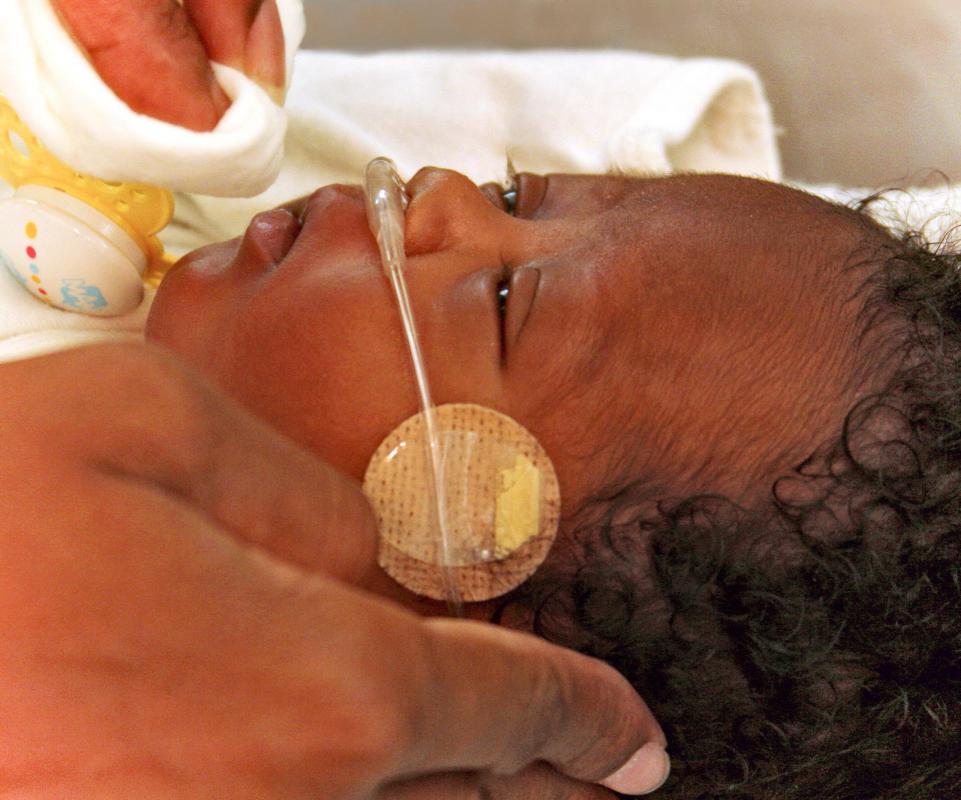
![Neonatal sepsis is caused by an infection of the blood of infants younger than 90 days.]() By: Sabryna WashingtonNeonatal sepsis is caused by an infection of the blood of infants younger than 90 days.
By: Sabryna WashingtonNeonatal sepsis is caused by an infection of the blood of infants younger than 90 days. -
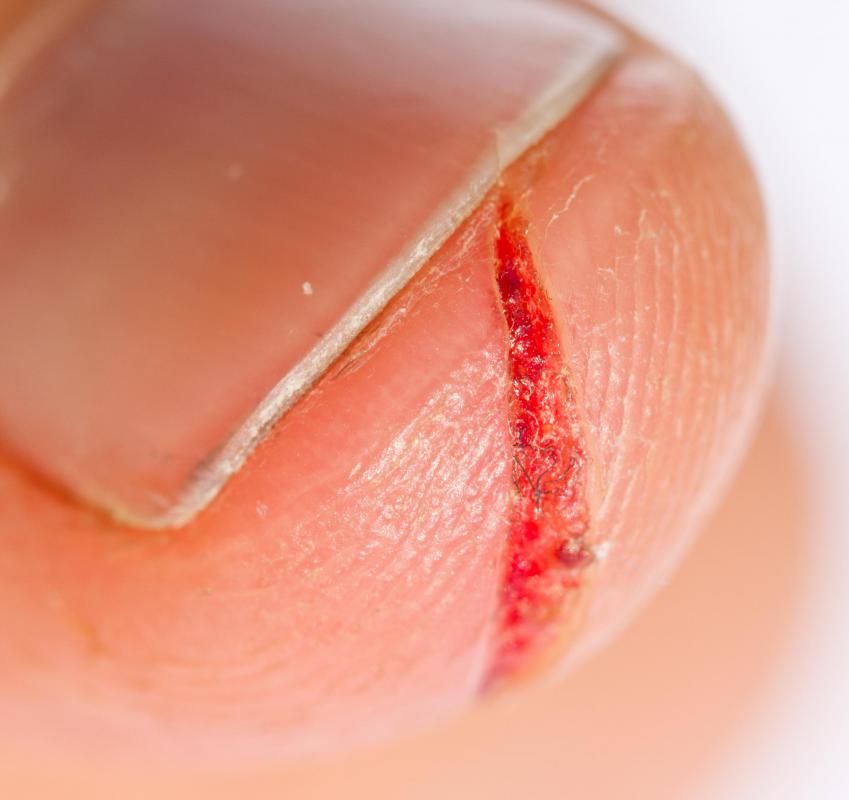
![A strep throat infection can lead to sepsis if left untreated.]() By: Cheryl CaseyA strep throat infection can lead to sepsis if left untreated.
By: Cheryl CaseyA strep throat infection can lead to sepsis if left untreated.



Discussion Comments
@anon115389: Sepsis is a severe infection and inflammation of the body's tissues, and symptoms start showing quickly -- within a week after the injury. Four months is such a long time from the man's fall on the bus that it is extremely unlikely that the sepsis he had was caused by the fall.
The respiratory failure on both accounts makes it seem that the sepsis is related, as sepsis can cause organ failure. However, if he already had respiratory failure when he visited the hospital after his fall, it was much too soon for sepsis to be the cause. It does sound like his spinal cord injuries caused the respiratory failure in both cases, though, so it's quite possible that the bus fall killed him.
Please advise. A case study shows a man 52 years of age had a fall in the bus (probably fainting) and was rushed to the hospital. According to the medical report he was unable to move both upper and lower limbs. The doctor said that he had sustained "central cord system secondary to cervical spondylosis with respiratory failure; 5 cm laceration wound over forehead".
He passed away four months later due to respiratory failure and sepsis. Could his death be caused by the fall in the bus?
Post your comments