
At DelightedCooking, we're committed to delivering accurate, trustworthy information. Our expert-authored content is rigorously fact-checked and sourced from credible authorities. Discover how we uphold the highest standards in providing you with reliable knowledge.
What is Seed Cake?
 Tricia Christensen
Tricia Christensen
Tricia Christensen
Lovers of J.R.R. Tolkien’s works like The Hobbit enjoy or empathize with Bilbo Baggins’ agony as an unwelcome party of dwarves descends upon him for tea. Bilbo has just finished making a seed cake for his afternoon tea and realizes that the 13 dwarves may force him, as the host, to forgo his own delicious treat. Many have read the novel and wondered what this cake is, while others are already familiar with the delicious treat and thus understand Bilbo’s annoyance at having to miss out on a taste.
A seed cake is a traditional British Isles concoction. Some date it back to English recipes, while others say residents of Ireland or Wales invented it first. Geoffrey Chaucer’s Canterbury Tales mentions the cake as being round and resembling a shield.

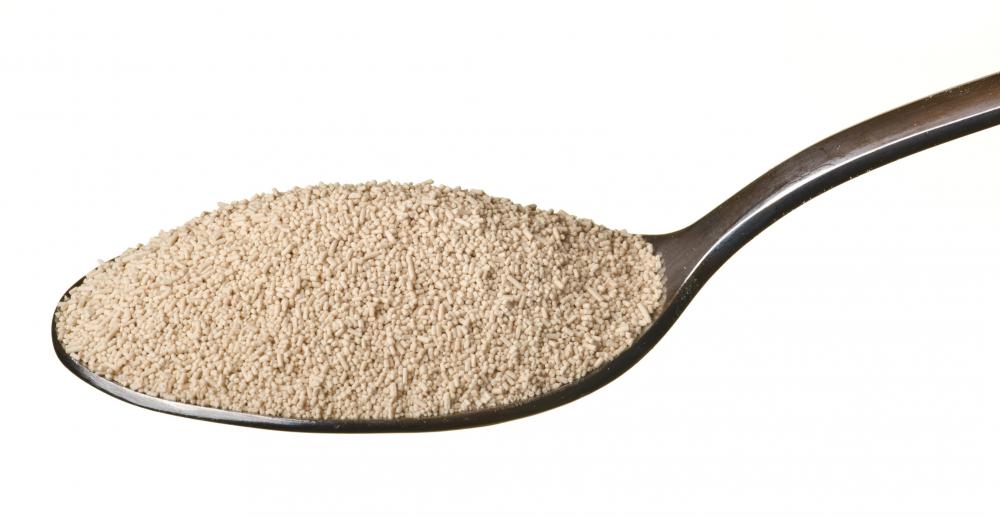
Early recipes do not include sugar, and in fact, they are very different from the modern version of the cake. A recipe from the late 16th century uses yeast for leavening. It recommends the use of about 1 tablespoon (6.7 g) worth of either anise or caraway seeds.
Since the cake is raised with yeast, this early version could be technically called bread. To raise the seed cake in this early recipe, warm ale is recommended, which would provide natural sugars for the yeast. A Welsh or Irish recipe later adds sugar, deletes the yeast, substitutes brandy for ale and suggests spicing the cake with nutmeg. This recipe calls for caraway seeds.

Modern recipes tend to use baking soda or powder to produce a lighter product, and the amount of sugar is higher. Butter use increases so one often has a rich pound cake studded with seeds. The cake can be either in round form or baked in a loaf pan. Irish or Old County Cake recipes often call for currants or raisins in addition to the caraway seeds, and adding alcohol is optional.

The most modern, and probably most popular, form today is lemon poppy seed cake. This variant is a very rich pound cake base that is flavored with lemon and includes poppy seeds. It tastes very different that the original cake because the caraway seeds are not present to lend their licorice-like taste to the final product. Poppy seeds also provide a slightly crunchier texture to the cake.

The traditional seed cake is still enjoyed by many in the British Isles and elsewhere. Depending upon the amount of butter and sugar used, the cake may be very rich. Slices of it may be served as part of afternoon tea, and some people serve a rich one as dessert, or even as a sweet bite for breakfast.
Tricia Christensen
Tricia has a Literature degree from Sonoma State University and has been a frequent DelightedCooking contributor for many years. She is especially passionate about reading and writing, although her other interests include medicine, art, film, history, politics, ethics, and religion. Tricia lives in Northern California and is currently working on her first novel.
Learn more...
Tricia Christensen
Tricia has a Literature degree from Sonoma State University and has been a frequent DelightedCooking contributor for many years. She is especially passionate about reading and writing, although her other interests include medicine, art, film, history, politics, ethics, and religion. Tricia lives in Northern California and is currently working on her first novel.
Learn more...AS FEATURED ON:
AS FEATURED ON:


-
![Yeast, one of the ingredients in seed cake.]() By: RobinsonYeast, one of the ingredients in seed cake.
By: RobinsonYeast, one of the ingredients in seed cake. -
![Some seed cakes are seasoned with nutmeg.]() By: Thomas FrancoisSome seed cakes are seasoned with nutmeg.
By: Thomas FrancoisSome seed cakes are seasoned with nutmeg. -
![Currants are sometimes used in modern seed cakes.]() By: Christian JungCurrants are sometimes used in modern seed cakes.
By: Christian JungCurrants are sometimes used in modern seed cakes. -
![Baking soda is typically used in modern seed cake recipes.]() By: VidadyBaking soda is typically used in modern seed cake recipes.
By: VidadyBaking soda is typically used in modern seed cake recipes. -
![Poppy seeds are often added for flavor when making lemon sponge cake.]() By: Robert GubbinsPoppy seeds are often added for flavor when making lemon sponge cake.
By: Robert GubbinsPoppy seeds are often added for flavor when making lemon sponge cake.


Discussion Comments
@dega2010: That is such a great tradition that your aunt carries on. That is definitely one to be passed down. I have a homemade recipe for lemon poppy seed muffins but I can’t seem to find it right now. This recipe is kind of a cheat recipe. It is still great though. If I find my other recipe, I will post it.
You need a box of lemon cake mix, ½ cup oil, 1 small box vanilla instant pudding, 1 cup boiling water, 4 eggs, and 1/3 cup poppy seeds.
Your oven should be preheated at 425 degrees. You can line your muffin pan if you choose to. Mix all of the ingredients together and fill the muffin cups half full. Bake for 12-15 minutes. That recipe makes about 2 dozen muffins.
Twice a year, my aunt from Oklahoma visits us. Every time she comes, we look forward to her gift of lemon poppy seed muffins. It never fails, every single time she comes, we get muffins and we absolutely love them.
I would love to make some myself. Anyone have a recipe?
@calabama71: I love vanilla poppy seed cake and it is one of the easiest cakes I have ever made. It’s one of those cakes that looks like you spent hours on it but it is so simple.
The ingredients that you need are: 1 box of yellow cake mix, 1 box vanilla instant pudding, 1 tsp. vanilla extract, ½ cup oil, ½ cup water, ½ cup orange or pineapple juice (your choice), 5 eggs, and ¼ cup poppy seed.
You need a bundt cake pan. Grease it very well. Instead of dusting with flour, dust it with a sugar and cinnamon mixture.
Beat together all of the ingredients except poppy seed. Beat it for about five minutes. Fold the poppy seed in the mixture. Bake for about 40 minutes at 350.
I don't think I have ever even had a seed cake. I have heard of a vanilla poppy seed cake. Does anyone know how to make one?
That was a very great and fun article to read! It made me feel like I was in a fairy tale! Good info.
Post your comments