
At TheHealthBoard, we're committed to delivering accurate, trustworthy information. Our expert-authored content is rigorously fact-checked and sourced from credible authorities. Discover how we uphold the highest standards in providing you with reliable knowledge.
What is Scar Tissue?
 Paulla Estes
Paulla Estes
Paulla Estes
Scar tissue replaces normal skin tissue after the skin is damaged. Though scar tissue is made up of the same substance as undamaged skin, it looks different because of the way the fibers in the tissue are arranged. Scars form every time the skin is damaged beyond its first layer, whether that damage comes from a cut, burn, or a skin condition like acne or a fungal infection. Though there are ways to minimize the appearance of scars, there is no way to remove them entirely.
How it Forms

Human skin is made up of three main layers, the epidermis, dermis, and hypodermis. When the dermis — the pink middle layer in the cross-section of skin — is injured, the body first responds by making blood clot in the area to close off the wound. After the blood clots, the body then sends in fibroblasts, a type of cell that helps rebuild skin tissue. These cells break down the clot and start replacing it with proteins, primarily collagen, that make up scar tissue.

Though both scar tissue and normal skin are made with these collagen proteins, they look different because of the way the collagen is arranged. In regular skin, the collagen proteins overlap in many random directions, but in scar tissue, they generally align in one direction. This makes the scar have a different texture than the surrounding skin. Scar tissue is also not as flexible as normal skin, and does not have a normal blood supply, sweat glands, or hair.
Types of Scar Tissue

How an individual scar looks depends on a few things, including the circumstances of the injury and a person's skin tone. For instance, a puncture wound causes a different looking scar than a burn wound, and whether the wound gets infected or not can also influence the appearance of the scar. A wound in a place where the skin is stretched tight, like the chest, often causes a thicker scar, since the body has to make more tissue to keep the wound from pulling open. Skin tone plays a role too. Though scars in general tend to turn white over time, those with dark skin may get scars that get darker with time. Those with darker skin may also be more prone to keloid scars.
There are five main types of scars:
- Atrophic scars: These scars are sunken down into the skin. This type of scarring is often seen with acne scars or with wounds where skin or muscle is removed by an injury. This type of scarring can also happen when the body produces so much scar tissue in one area that it prevents new cells from growing where the wound took place.
- Hypertrophic scars: These are usually red or purple and are slightly raised above the skin. They tend to fade and get flat over time.
- Contracture scars: These types of scars often happen with burns, and end up pulling the skin in towards the site of the injury. This can make the skin look puckered around the wound.
- Keloid scars: These are very elevated, red or dark scars that form when the body produces a lot of extra collagen in a scar. Keloid scars are actually a benign type of tumor, and often grow bigger than the area of the original injury. Those with darker pigmented skin are thought to be more prone to keloid scarring, but it's not clear why.
- Stretch marks: Also called striae, these are considered a unique type of scar since they don't happen in response to an injury, but because of the skin being stretched rapidly, often during pregnancy or adolescence. The tissue here is often sunken a little into the skin, and tends to fade with time.
Preventing and Treating Scar Tissue

Though there is no way to entirely get rid of scar tissue aside from avoiding a skin injury, there are ways to minimize its appearance both while the wound is healing and after a scar has formed. Except for keloid scars, most scars will fade on their own even without treatment.
While the wound is healing:
- Covering the wound with a bandage — This is particularly important before going out in the sun, since UV rays can cause the newly formed tissue to get discolored and may slow down the healing process.
- Cleaning wounds properly — Doctors recommend cleaning a wound with a gentle soap and lukewarm water. Cleaning with hydrogen peroxide, alcohol, or iodine can all damage the newly forming cells and lead to a more noticeable scar.
- Soothing gels — Rubbing aloe vera gel on the skin after the wound has closed can help lessen redness. Vitamin E gels are not recommended, since studies show that they are not very effective are minimizing scars.
- Anti-itch cream — This can help with the urge to scratch or touch the healing wound, which could irritate it and make a more noticeable scar.
- Pressure bandages — Some doctors say that putting a specific type of pressure bandage on a wound can help prevent the appearance of elevated scars since it pushes the collagen down. There are several different brand name versions of these bandages, which are often called scar therapy bandages or scar sheets.
Ways to minimize scars after they form:
- Massage — Massaging a scar with lotion or a doctor-recommended gel can help fade many types of scars. This is particularly recommended for keloid scars, since this can keep them from getting sensitive and painful, and can help break down some of the built-up collagen.
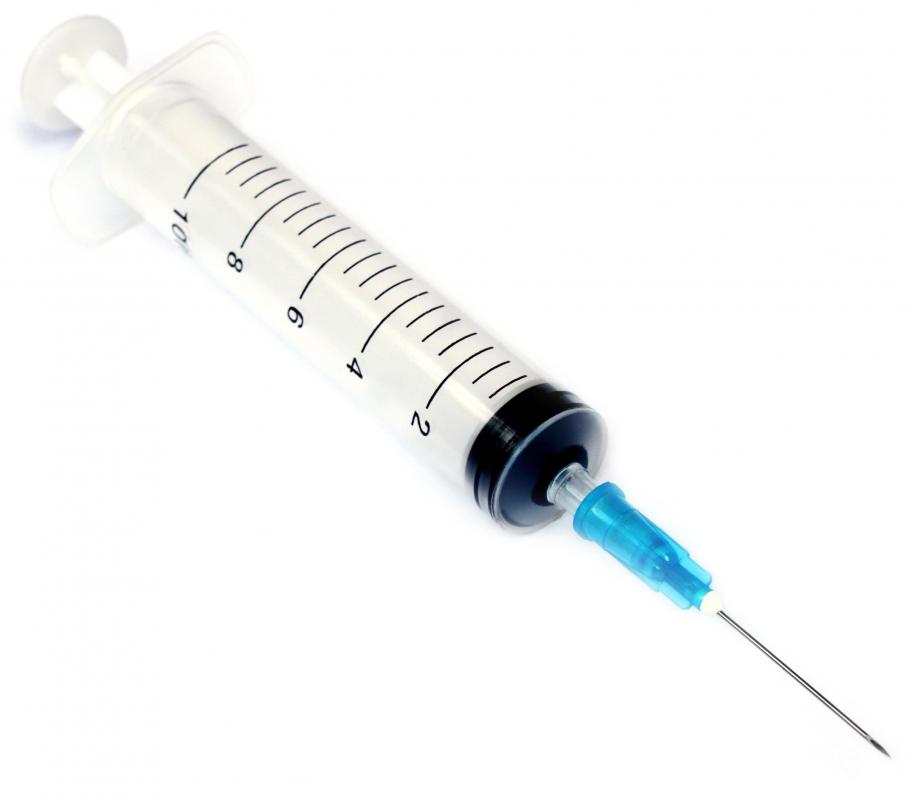
- Injections — Steroid injections may help with hypertrophic or keloid scars, and atrophic scars can sometimes be filled in with collagen injections. One downside to this type of treatment is that it is almost always temporary, and has to be repeated regularly.
- Skin resurfacing — This can be done with lasers or with equipment that works like very fine sandpaper in a procedure called dermabrasion.
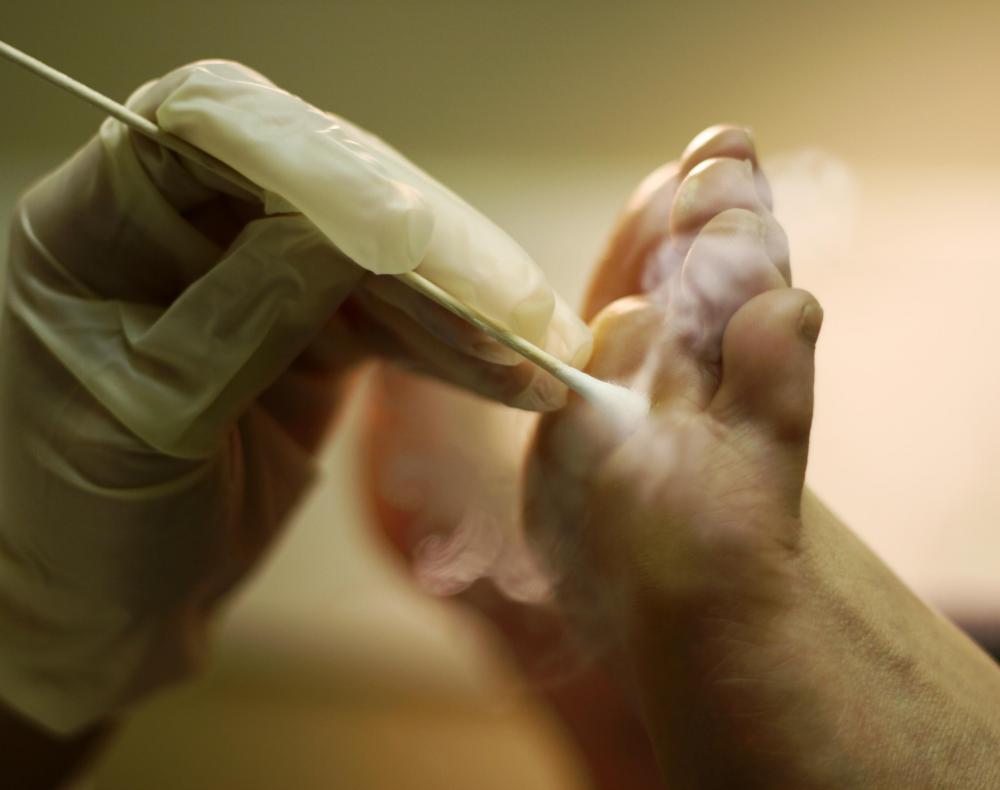
- Cryotherapy — This is a technique of freezing the scar, and can reduce the appearance of keloid and hypertrophic scars.

In extreme cases, a doctor might recommend surgery. Though surgery can't get rid of a scar, it can make it less noticeable. Surgery is not recommended for hypertrophic or keloid scars though, since it can make them worse. Another type of treatment for severe scars is radiation therapy, which can sometimes reduce keloid and hypertrophic scars.
Videos
Video 1 — Information from a plastic surgeon about how scars form and how surgeons avoid making noticeable scars.
Video 2 — Information about keloid scars.
Additional Resources
www.ma.hw.ac.uk — Information on how scars form, with illustrations.
www.webmd.com — Information about treating scars after they form.
http://practicalplasticsurgery.org — A PDF with information on the how scars from and ways to treat problematic scars.
Paulla Estes
Paulla is a freelance writer and website editor who currently lives in Maine. Paulla has a B.A. in English Literature from George Mason University and over 15 years of experience as a freelancer. She relishes the flexibility and consistency of working on TheHealthBoard articles, as well as the opportunity to constantly learn something new.
Learn more...
Paulla Estes
Paulla is a freelance writer and website editor who currently lives in Maine. Paulla has a B.A. in English Literature from George Mason University and over 15 years of experience as a freelancer. She relishes the flexibility and consistency of working on TheHealthBoard articles, as well as the opportunity to constantly learn something new.
Learn more...AS FEATURED ON:
AS FEATURED ON:


-
![Scar tissue.]()
Scar tissue. -
![Steroid injections can help with keloid scar tissue.]() By: SwapanSteroid injections can help with keloid scar tissue.
By: SwapanSteroid injections can help with keloid scar tissue. -
![Aloe vera gel may help with scars.]() By: sassyphotosAloe vera gel may help with scars.
By: sassyphotosAloe vera gel may help with scars. -
![Acne can leave behind scars and marks.]() By: Budimir JevticAcne can leave behind scars and marks.
By: Budimir JevticAcne can leave behind scars and marks. -
![Scars from surgery and injury typically fade over time.]() By: Artem FurmanScars from surgery and injury typically fade over time.
By: Artem FurmanScars from surgery and injury typically fade over time. -
![Cryotherapy can be used to eliminate scar tissue.]() By: Gordon LauCryotherapy can be used to eliminate scar tissue.
By: Gordon LauCryotherapy can be used to eliminate scar tissue.



Discussion Comments
I have scar tissue in my left breast. What can I do?
Clear Passage physical therapy was able to take care of my son's scar tissue that was causing major health issues without using surgery. He had problems with bowel movements, range of motion, etc. after his surgeries from a traffic accident. At first we tried having surgery to cut away the scar tissue inside but the surgery itself just caused more scar tissue. Luckily for us, Clear Passage was able to get rid of it using deep tissue massage.
I have a scar parallel to my left eyebrow. I got it when I picked up my neighbors dog. It usually just licks my face but for whatever reason it bit my face. Can anyone tell me some good scar reducing medicine? It would be really helpful
Four years ago, I had a melanoma removed from my back. The scar it created was about the size of 2.5 quarters. I have been putting a skin cream called True Science on the area for about four months now and hair is growing out of the scar! I believe this means the area is healing which is very exciting, and is also in alignment with a few of the independent studies that have tested the product.
I had a huge goiter removed two years ago. Since then, I have lost all speaking skills. When I try to force out a sound or word at speech therapy, I begin to have pain, and then it progresses to severe where I shed tears, take a pain pill and leave her office. Then, after two days, the pain becomes bearable again where I can do some tasks, etc.
I finally was told by a specialist that he thinks it is a lot of scar tissue surrounding the damaged nerves and muscles that is affecting my speech and speaking skills. He also stated that's why I get severe headaches, and tingling down my left shoulder to my arm. Now it’s tingling in my fingers, and then it becomes numb.
I also have low range of motion of neck control, with back pain, all due to this operation. Has anyone ever experienced this with a thyroidectomy? When I try to force out words, my left side swells like a giant balloon and it is painful, so I refrain from forcing or trying to speak, or make a sound, or even laugh. It is so painful that tears fall down my face.
@Post 2: I am 19 years old now and have went through my growth spurt. For an idea of what my scar has adjusted to, I was 14 at my last check up at my surgeon. I was about 5'5 120 pounds and my hand was doing great in all aspects.
I am close to 6'4 now and weigh 175 pounds, and believe I am done growing now. As for bone development, my arm has kept up with the steady lengthening due to my height and my next check up will be in about a year. My arm could not be better, which is why I would like to keep it like that, but unfortunately it feels it won't stay right much longer due to the natural muscle growth in the arm overall and the resistance workout I do for it.
The way the surgeon placed the scar tissue and where he did brings up my main question as to now my hand/arm is developed and it is constantly growing muscle definition throughout it. I am worried because the overall muscle is now growing quicker than the actual "artificial skin graphed scar" layer which covers the majority of my arm and the point where the natural skin layer and artificial scar layer meet cause it to stretch because of the growth of muscle. To slow this process down, I do not work my left arm out as much anymore and i am looking towards a gel or lotion that would soften or lubricate those certain parts where it is noticeably tightening until I can get in to see my surgeon and hear his opinion on what will have to be done now that the bone development stage on my left hand is complete, and on to the muscle development.
Post knee replacement scar tissue. What's the best way to deal with it? After a "manipulation and daily exercise" it is still very stiff. Are there supplements or acupuncture methods to deal with this?
I am a registered nurse and have recently opened an aesthetic micropigmentation business from which I'm hoping to help patients to restore an aesthetic appearance to their skin.
Basically, it is performing paramedical and cosmetic tattooing. Paramedical includes scar camouflage from trauma scars, surgical scars and burns. This area of tattooing is somewhat experimental due to results being unpredictable. It also includes cosmetic tattooing which is desired by patients with alopecia, those with surgery or chemotherapy coming up, and sometimes defining the lips for those who have had cleft lip reconstruction surgery.
If you have any information at all about this option for scars, please share it with me.
There is a chinese procedure for assisting in breaking up scar tissue. I was told about it by a friend who is a chiropractor. He uses it to assist in treating old injuries.
He preformed the procedure on me and it worked straight away and I have performed it on myself also, with good results. It involves applying a cream to the area, scraping a rounded blade like the back of a spoon over the area and especially over the belly of muscles and if scar tissue is present, the area becomes red straight away.
If you use a natural healing cream, that will reduce bruising. I have had no side effects from this procedure -- only excellent results. I had both of my knee joints replaced and had scar tissue form straight away due to swelling. This procedure combined with slow exercises like leg extension, leg curls, squats with a ball behind my back are assisting me in gaining more ability to bend and are freeing up the knee joint.
A friend fell in my home after her foot went to sleep.
She claims her ankle hurts.
She went to a doctor after two weeks and the doctor told her it was scar tissue causing her pain. No fractures were detected.
She does not have an abrasion or even a mark from her fall. I keep getting calls from her and I fear she may want to sue my insurance company. Can this be true?
A while ago I bit my lip and it's been a year since then. My lips peel often and after they peel and are not dry anymore, the spot where I bit my lip turns white.
Is this scar tissue? If so, how can I get rid of it?
To Post 97 - Find another doctor immediately!
Does anyone know the best way to get rid of scar tissue after a tonsillectomy? It is so thick and I can't swallow my food properly and it is the most awful feeling. In addition, it is causing pain in my nerves.
I was told the best method is to use a skin graft, but all the doctors are telling me to wait longer and the scar tissue will go away. I am on eight months post-tonsillectomy and am going crazy. Any advice for me? Things to try to loosen it up?
If surgery fails then maybe the area of pain is not where the pain is coming from. I had back pain for years and was ready for the cortisone epidural in my back but then my cousin told me about a chiropractor. The chiropractor moved a bone in the middle of my neck and then the back pain disappeared.
I still don't understand that, but now I realize I could have had failed back surgery because the problem was not in my back. It was in my neck, go figure!
I am surprised nobody is mentioning proteolytic enzymes. In Europe it has been used for decades. Scar tissue is made from protein, so if you take protein enzymes but not with meals, in between meals and it looks for the protein in the scar tissue and breaks it down. Vitalzym X and Wobenzym are good products but there are all kinds.
Re: Post No. 93, If you go to see a massage therapist with regular treatment of either massage or even cupping to the area the scar tissue should break up making the scar less visible. Another alternative is to use a product called Bio-Oil, it helps fade scars and tone up skin. I'm not sure on pricing but it works wonders. Hope this helps
I had met with a major accident five years back Because of this, I have a bad scar on my elbow which is clearly visible. What treatment do i need to do to get it sorted as I am just 24 and yet to get married?
I haven't read all the comments so I could be repeating them. I have a keloid scar in the center of my chest derived from an insect bite. I was also scalded by boiling water and I have pigmentation, so since I realized that I had a scar I have been trying all the natural routes and I have to say I am having great success, so I want to share it will all you guys on here, so my list of (excellent) recommendations:
Flexitol scar oil, secret ingredient: a mixture of all the best oils for scars. Bioskincare, secret ingredient: snail secretion. Scar repairex, secret ingredient: anti-oxidants plus other great things. Tamanu cream, secret ingredient: tamanu oil.
So I would say patience and a positive attitude also make a huge difference, so repeat this when you are rubbing in your creams and oils (every day, twice or three times a day, as much as you can): Thank you, I love you, I am sorry. I forgive myself.
Within one month of using bioskincare, my scar stopped itching, was smoother and had stopped growing, was much lighter and was gradually fading. Good luck.
P.s. Stay out of the sun. I hope this helps.
I have scar tissue from a hickey on my chest. My now husband gave it to me about 10 years ago after a night of fooling around. About a few months after I noticed this weird skin mark that almost looked like a cyst. Well, after months of trying to get a diagnosis, I came to realize it is a scar left behind from that hickey. It is ugly but I am used to it now and my husband has me marked for life.
i had spinal fusion 10 years ago on the lower back and now i am in a wheelchair as it is now considered failed back surgery due to spinal bone degeneration - i was referred to the pain clinic this week and had an epidural to get more pain relief and reduce my intake of morphine which is extremely high.
The consultant had five attempts at putting the large needle in my spine and said it was not working due to extreme scar tissue.
has anyone heard of this and what can i do?
Have you heard of a type of cosmetic skin treatment using a system of tiny shallow needles that puncture the skin which is supposed to result in a thin invisible layer of scaring under the skin. It is a series of three treatments administered a month apart. This is supposed to support the skin to alleviate deep wrinkles. It is purported to be a permanent solution.
I have two scars immediately under my left eye - from a baseball to my face while wearing sunglasses 11 years ago. The top scar is from the lens. The bottom scar is from the frame. I was cut open to the bone. Now, I am 43 years old, and the scar is wreaking havoc on the left side of my face - and the aging process. It's accelerating it. I have few wrinkles on my right side, but the left side has aged so much! It's as if the stiff scar tissue is not allowing my face to produce normal smile wrinkles, going the normal direction, at the normal rate. Any suggestions?
I've two open heart surgeries for a congenital heart defect. My first one at 1 1/2 years old I never had scar tissue pain. This last one (19 months ago)I've had a lot of scar tissue pain. A lot around the breast area. Is it normal to get scar tissue pain for one surgery but not the other?
i have scar on my knee since i was a child. It is a terrible scar what. would the best to to use? thanks, Jennifer
I had two brain surgery Chiari Malformation. This is where the bottom part of the brain tries to push it way through the spinal canal. What they do is the NS removes part of your skull at the base of the brain and he removes C1 vertebra. This was suppose to relieve me from all my problems. Headaches, dizzy, blurred vision, sleeping all the time. High blood pressure, and my hands and arms going numb. Well guess what I have so much scar tissue that has built up it is pushing on my brain and all my problems are coming back.
I'm trying to find a Doctor to remove the scar tissue so I can get my life back to normal. I have talked to four doctors and they have told me they can't do it but there is a doctor out there that will. I live in Michigan and I will travel anywheres to get this taken care of. My life is really bad with dealing with this and I need help soon! Thank you and God bless! --Mark
I have a scar underneath my lip from a car accident and have stitches going across my nose and a scar on my eyebrow. it is so noticeable to me. is there any treatment anyone knows of to make these scars go away without surgery?
My wife has bad knees. She's been taking the Dr Powers Joint Support + Vitamin B12 for 45 days. She said that she could tell a difference after about three weeks, the pain seemed to be less. The tablets are easy for her to swallow and she has trouble swallowing a number of pills.
I have a golf ball size lump of hard sore scar tissue where I had a lumpectomy and radiation a year ago for breast cancer. What is the best thing to try besides more surgery? Thank you.
Two words: Arnica Gel. It is a natural gel, you can purchase it at a natural food store. I have been using it on scar tissue that is 25 years old. It has helped to flatten the scar. The scar has not disappeared but is much improved. I told my primary care physician and he said that a lot of plastic surgeons are using it. I think it also comes in a cream.
Can scar tissue transform into a cancerous tumor? My husband just underwent a very traumatic surgery because the doctors told us it was a tumor but later found it to only be scar tissue. Afterward they said it was good that they removed it anyway, because it could have turned into cancer later. Is this the truth or a bunch of crap?
If you are interested in healing your scar tissue naturally, look into Frequency Specific Microcurrent. My chiropractor uses it and it worked wonders on my stomach scar tissue. Research it and find a practitioner in your area.
I had a mini face lift with a neck lift and liposuction under my neck. I got a hematoma under my chin and the neck filled up with blood so much that I even got a black eye because the blood traveled all over my face. My neck expanded to six times its normal size.
As a result, some of the blood that wasn't drained was trapped under the skin and now I have lumps on my neck and one of them is extremely large right under my right ear lobe down across my jawline on my neck. It is the worst thing I have seen. I can't live like this and my neck looks horrible.
What can I do since surgery is out of the question as two doctors have already said no surgery. They say it will go down in time which I don't have. I want instant gratification for as much as I paid for this surgery. My neck is extreme. Please help me, what can I do to diminish this blood that is trapped under my skin?
I had a total knee replacement in October/08 and trouble followed this past Feb/10. they removed scar tissue and had to do it again Aug/10. The feeling is coming back, even though I am in therapy and the gym. How can I stop this from happening again? The doctor will not do it anymore. Please help with suggestions or anything.
i have a visible scar on my right forearm after i was operated there after a car accident six years ago. i really think the scar looks cool and am proud of it!
all your scars can be removed by (scar digesting enzyme) which can be sold from the internet.
Re Post #43: I had a nightmare tummy tuck and subsequent revision (three years ago) and wound up with a boat load of scar tissue in my abdomen. As the skin is undermined you start with that scarring as the skin/subcutaneous tissue heals back down plus the area where the fascia is tightened (a.k.a. muscle "repair" ~ not!) results in additional scar tissue. I have tried next to everything.
You are still early out so it should relax and loosen but it's very important to move (walk, stretch, etc.). After you are released and your doctor approves it massage is the next best thing.
What worked best for me was cupping massage (not fire cups that try to suck your entire being into them) and a rolling pin. You can get glass cups with bulbs at the top and do it yourself. That's all I have.
I had a hysterectomy in 1991 and i have scar tissue in my left side. The pain in my side and back is sometime almost unbearable. I have often wondered does it spread? Could that be what's causing my back to hurt? it has only started to hurt in my back for the past few months.
last year i had surgery on the bridge of my nose and it was cancer. i now have scar tissue and it does not look nice. i went to my doctor and she said it will take a year to heal. the year is up next month in august. what can i do to make to scar go flat? thanks.
I have a scar on my lip that is about three years old now. I didn't have stitches at the time of the accident and the scar is more noticeable than I thought it would be.
I have seen a couple of plastic surgeons and they say it's probably not a good idea to try to remove the scar surgically since I'll probably just have a new scar. One suggested a steroid injection(s), either kenalog or Celestone.
I've read some pretty scary accounts online from people who have gotten Kenalog injections and regretted it, so I'm reluctant to go that route. I've discovered the lip is very malleable and I massage it daily. I seem to get some temporary improvement in the appearance of the scar but it isn't permanent. This really bothers me. Any suggestions? I read something online the other day that talked about using a dye and the light from a laser, instead of stitches, to close wounds.
Would you recommend scar revision surgery if this type of treatment was available?
I recently had to have a biopsy done on my right breast because I felt a lump. The surgeon said he was encouraged about the results because the lump was next to an old scar I had when I was fifteen years old. He said it might be old scar tissue that has moved. Would this happen even if the old scar is over 37 years old?
For Post No. 40: Look up "Ondamed Therapy" and find a practitioner in your area. I am sure you will find someone who can help.
I'm 17 years old and i had an acl reconstruction and meniscus reconstruction, and the scar is there and is raised, and extremely painful. after an MRI they said the scar tissues had affected my acl again, so what exactly does that mean?
For internal scar tissue (adhesions) around organs due to past abdominal surgery, look to the Wurn Technique --current experts in breaking up internal adhesions. For intramuscular adhesions and musculoskeletal conditions, the Mettler Method can help. Always avoid additional surgery to "clean up" scar tissue if you can help it.
Vitamin E combined with PTX can help the body remove old scar tissue. There is a study out there regarding a gentleman who had epidural fibrosis and it resolved using that combination. Hang in there.
I had a total knee replacement surgery in August. I thought i was on the road to healing, but in November, I started experiencing more pain, snapping of the knee and heat whenever i touch it.
Well, i had scar tissue removed in January. Once again i thought i was on the road to recovering, but here it is april and the same symptoms are here. Is there a possibility that scar tissue is back for the second time. Please help!
To all of those that have scar tissue problems, there is an Asian practice that involves acupuncture and blood-letting through cupping. -vasyl
The Graston Technique is the most effective treatment for superficial scar tissue that I have found (and I've looked at most myofascial techniques). It may not help with deep scarring around organs but it will definitely affect muscles, tendons, ligaments and nerves.
Dr Chris
I'm 20 years old, and was recently in a car wreck. I broke 3 fingers and had to get pins/rods placed within 2 of them. It's been a few months, however, the fingers that had surgery aren't bending at the joints. The scar tissue needs to be broken free. I'm doing a few exercises but was wondering if anyone had any other suggestions? Thank you.
what can i do if I have scar tissue due to some operation I have had done like removing of the cyst I am always in pain any time I am ovulating on both sides of my stomach. Thanks. i am 30 years old.
I am 33 years of age. i had a baby in 2005 and since then i have being having problems trying to conceive again.
i had an ovarian cycst removed in 2007 and laparoscopy done in 2009. after that i have been having pain in my stomach. i was told that i have scar tissue and any time I am ovulating, the pain get worse. I am not be able to do anything other than to lie down. Even if am passing wind i feel the pain or go to wee wee, am finding it difficult to conceive again and am in a lot of pain during ovulation.
please help me. i don't want to do any operation again. The dye did not go through my tubes properly when having it done. i want to have more babies. please, what can i do.
I had back surgery in 1989 and have a bit of scar tissue. I'm always in pain, with removal of the scar tissue, will that help the pain?
anon56294 - Please tell me exactly what brand, strength, etc. of CLA you take. There are so many.
I am extremely hopeful from your post, as I have had scar tissue in my "unit" from trauma for 10 years. As I am sure you are aware, it has ruined my life! I have tried so much and spent so much it's insane.
Western medicine has no idea what to do with the problem! Please reply ASAP. By the way, what date did you start taking CLA? Many thanks!
About two years ago I wrecked my bike and got some serious road rash on my knee and the top of my foot. However, the one on the top of my foot went away, but the one on my knee resulted in a scar. It's a darker color then the rest of my skin, and stands out.
But a few weeks ago, I tripped and fell and scraped the skin off the scar. I'm wondering if the skin will heal and I'll be rid of that awful scar? Thanks! :]
i have had multiple surgeries on my right tmj and now my doctor says my constant pain is from scar tissue. i heard massage can break it up but is very painful. any ideas?
i am only 29 and feel i am too young to be in constant pain!
to anon 30459. my husband has been told the same thing as you. there is no date on this post. what was the result of his lump?
to joedoksjr: Yes, it is that kind of tissue. I posted anon40102. I am happy to report massive success with CLA supplement. The scar tissue has been resolving, length and function are returned to full after like 11 years of frustration and medical practitioner uselessness.
I had a very serious injury, a full size blowout and severe scarring. That kind of injury is being healed in its entirety it seems. Also, the thumbprint I mentioned is almost without a slice through it now.
I was taking up to 6 grams of CLA and i have heavy body mass. I got sick, so, i will take no more than four grams, usually three grams, and make sure i get a multivitamin from now on. Progress is linear. Take it and it works, stop and progress stops, and the process does not reverse.
Scleroderma causes the body to think it is fighting off sickness so the white blood cells count is up and produces scar tissue. this is a continuous process that causes tightness and toughness of the skin.
any exercise or suggestion to help with this?
I had a total knee replacement 3 1/2 years ago,
had a femur broken in 13 places 2 1/2 years ago, found out everything was done wrong and the new doctor did a total revision six months ago.
Now I cannot bend my knee correctly ever and am in pain always. I was told i was not healed yet and lots of scar tissue had built up.
I had knee manipulation done recently and nothing improved. What do you think?
I had an ankle replacement in June and a month before that had fusion in my heel. I have scar tissue from the ankle replacement and was told it will take anywhere from six months to one year before it should be gone.
I go to PT to have them do extreme massage on it once a week. I read somewhere on the web that ten weeks after surgery the scar tissue hardens. This is not true. I don't know if ankles and other places make that difference or not.
My son had an accident where he was using an electric screwdriver and the end part flew off and lodged in his chest. He didn't know that it had happened for about a hour. His Dad thought that maybe the pain he was experiencing might be exactly what happened so he got a large magnet and he could see the metal move. His Dad took him to the ER where the doctor removed some of the metal but said the other small piece was too near his heart and advised him to leave it be. This has now been many years ago and he is having chest pain in the area. Could this be scar tissue causing the pain? I don't know of any other symptoms that he is having. He is a very nervous young man of 39 and I am concerned. Please advise. Thank you.
I had breast reduction surgery and a tummy tuck three months ago. Since then, my stomach has felt like there is a wooden two-by-four post in it. I would like to know if massage is the best way to deal with the pain? (No problems with the boobs, they are great!)
I have a two year old grandson who was circumcised at 1 day old. one year later an area appeared on the left side of his penis. the doctor said it was a granuloma and would not need to be removed until he was five years old. At the second visit, which was one year later, the PA called it scar tissue and said it doesn't need to be removed until he was 15 years old. we are very confused and need some advice. please help.
What would cause the penis and testicles to swell after removal of scar tissue from a previous surgery?
l have had many surgeries and must have lots of scar tissue, there is a portal vein 70 percent *blocked* in my stomach. I'm in a lot of pain but no one can find anything wrong. In june they took my ovaries out and cut a vein. The pain has gotten worse. What should I do? --DarleneLB
I had appendicits surgery 15 years back. But for the past few years, I have been facing constant pain in that area(lower right), the area where the surgery was done. Deep breathing causes pain that area for me. I am unable to do any exercise too. Is it what they call ' adhesions'? If surgery is performed again in that area, doctors say that it will only make the condition worse. I just pray and hope for a solution.
i also have had a knee replacement and due to scar tissue i have only been able to bend my knee to 70 degrees. i have had it manipulated but still find it very painful and tight. i can see the scar move when i bend my knee. can this be fixed with more surgery?
I have scar tissue in my neck from spinal surgery. The scar tissue is impinging on the nerve root exiting the spine and is causing tingling and muscle atrophy in my shoulder blade and shoulder. What can I do for this? Please advise.
My husband had radiation for prostate surgery. Now the urologist says he has scar tissue on the ureter tube that goes from the kidney to the bladder and it is closing off the tube. He put in a stent and it has been nothing but trouble. Has anyone ever had this problem and is there anything someone could suggest to do? Moma
I had 3 stints in my heart 7 months ago. what are the chances the scar tissue will cause blockage?
I have had limited success with the supplement CLA (conjugated linoleic acid). I have both a x acto knife scar in my thumb and a very unfortunate keloid scar from a trauma to my 'male part'. That one is, of course, my motivation to try stuff! Vitamin E seems to only make more scar or maintain what is there. CLA seems to actually do something. Think of your thumbprint as a 'zipper' that's open when a knife scar is in it. The lines on either side of the opening look like a zipper. Well, it's slowly been 'zipping shut'. If i take CLA, it continues, if i don't, it doesn't. Also, the knot in the other location definitely has been getting better at a similar rate. The one in the thumb was 11 years old at least when i started this, the other one 8 years (you want to talk about something they don't like to do surgery for!). So, take it for what it is. for obvious reasons, i'm not signing this.
Solution: To all who would solve their issues: The body heals itself, only assistance to this process may be provided-sew a cut or splint a break, after that, *regeneration* takes place, only the body itself does so. However, something's in the way and that it the resistance in the system due to the musculature collapse, known as inflexibility.
Practice a degree of yoga in which you chase pain via movement that seems it should be within natural range. The pain will subside and you may further it, but you must address the whole body for the ultimate solution, and not simply one part or area.
Also, groom out the area; like massage, but looking for pain to move through instead. Assist the body in it's return to pliability... more soon...~AJK
i have a scar tissue on the back of my hamstring and it has been four months. will it go away if i start soft tissue massages?
Im 15 years old and I stuck my left pointer finger in an electric hedge clipper for reasons i don't understand and i play guitar and there is a scar and pressing on it gently doesn't hurt but when i press on it harder or try and use it on my guitar it hurts inside. im not sure why. (any information?)
I was hit in the head during softball practice. Me and my mother went to the doctor, they said the "knot" would go away, however, there is still scar tissue there, and the "knot" is still there. When it is mashed hard, it hurts. Would they be able to remove it even though it is on my head?
-delayna19
Hi i am 12 years old and some idiot shut a *door* on my arm. this was 2 months ago. i still have a big lump on my arm ( very big ). i went to my physiotherapist and she said she has never seen any thing like it and the scar tissue is taking over my muscle and they are sticking my muscles together :(
*This is very painful." Is there any way i can help stop the pain and help it get better? thank you :)
i never had sugery on my back but been told i have lots of scar tissue. the doctor said he never ever saw anything like this for someone who never had sugery on theor back. however i did hurt my back in 1980 when i was working. I'm on small pension because of it so do you have any answer why I have scar tissue without ever having surgery. thanks joanne
RE #7350 I, too had a total knee replacement
November, 2008: trouble 'bending also,'...now Dr. said scar tissue is causing
the 'popping sound/pain (1) was given a cortisone injection(helped with pain/not the popping with each step)--next step knee arthroscopy to scrape the scar tissue rubbing against my knee replacement. Any suggestions/comments? lb
I have chronic adductor tendiography (groin tear) and i am in the later stages of rehab. I have scarring tissue as a result of the tear. I am an active sports person but the tissue damage is holding me back. I am on a strengthening programme but I still seize up after an intense session the day after? Is there any way of permanently getting rid of the "scarred tissue" while continuing to play sports?
Patrick
I have a keloid scar from piercing my own belly button. It's pink and looks unattractive. I've been using mederma and other creams. I've been to the dermatologist too and he gave me this cream that still doesn't work. What do I do? I really feel self conscious about my tummy. *Help.*
I have (what i think is a scar tissue) on my finger. It looks like a wart, but it is not because it can't be frozen off and always grows back the same way. *How do I get rid of it?*
i have a scar on my wrist. how can i get rid of it?
Three years ago my husband had cancer - a lipscarcoma- on right hip. He has been in remission for 3 years, but now has another lump in the same area. Drs. say it may be scar tissue, but it may be more cancer. Can scar tissue take 3 years to show up?
Scar tissue is not the same as originally healthy tissue and will never be. Scar tissue will limit your movements unless you find a way to break it up and help your body heal the area correctly. Massage can break it up.
Scar tissue is paler because of limited blood flow. The limited blood flow can also damage the area because the surrounding muscles will wither away if they do not get enough circulation to the area.
Using magnetic therapy is another solution that can help increase blood flow and also break up scar tissue. There have been many people who have seen relief from scar tissue using magnet therapy.
I branded a cross on my left shoulder about a year and a half ago. Now it is a red almost bubble looking scar and is kind of hard tissue. What can I do to get it fixed?
A scar is a form of connective tissue that forms in the area of an incision, cut, area that has been worn away, etc. A problem that occurs due to scar tissue isn't actually due to the scar tissue itself, but to the fact that the area hasn't fully healed yet, and the scar tissue cannot function in the same way as the original tissue that was damaged.
I have a really bad nervous habit of picking/ biting my nails and cuticles. In the past few months it has gotten really bad and a few of my fingers won't heal. the cuticle area around the nail is completely swelled, calloused and peeling. I'm not sure if this is scar tissue or if it will ever heal, I've been trying very hard to break the habit once it got to this point, but my fingers still look disgusting, is there anything I can do?
i have scar on the right side of my abdomin.it was due to cut almoct 12 years befor.after eightyear from this i start pain on the same plase when i sat or bend i went to doctor and she told me that the pain is due to muscells not due to scar and gave a tube of cream for massage.when i used it i got fine and when i felt the pain i used it and i got fine.but befor 8 monthes when i felt the same pain i used the substitute of the cream and massage very hardly after that i suddenly start pain and irritation on my skin.till know i am feeling the same situation.the pain start when i setand also can't wear tight clothes.please recommend me
Scar tissue problem, i had surgery in 2007 on my rotator cup. i started therapy a few days after surgery. i have a frozen shoulder. on april 2008 i had a manipulation done to release it the scar tissue.i started therapy again. now it has been 10 months and i still dealing with a frozen shoulder and scar tissue. my doctor refuses to do another laser surgery because of scar will get worse. i've limited use of my arm and shoulder. what should i do....please help someone.thanks
Any incision on your body will leave a scar to some extent or another. Dealing with scar tissue has a lot to do with removing stagnation from the area around and in it.
I have had surgery on my tail bone for a polynidal cyst and on my leg above the knee for osteochondroma (cartilage lump formed after growth plates were chipped). Both in 1997, though unrelated to each other. I used to not have much feeling in the back of my legs because the scar was on part of a main nerve and also because the piriformis muscle had tightened up around the sciatic nerve (didn't know that at the time). The scar was actually right next to where the piriformis connected by the tail bone.
The skin around the both scars was adhered to the muscle and fascia underneath. If I tried pinching and lifting the skin above my knee, I was unable due to the adhesions.
Then, I was introduced to Traditional Chinese Medicine in 2003 or 2004(acupuncture, herbs, and a very different philosophy on health).After a lot of massages, herbs (blood builders and invigorators) and acupuncture, involving scar tissue needling, my conditions improved (my overall physical and mental health actually). With scar tissue needling, an acupuncture needle is actually forced through the thick fibrous tissue, breaking up adhesions. I was eventually able to pinch the skin up around the scars and the scars themselves. Blood could actually be seen flowing through the scar (turning it pink and reddish purple). The layers of facia, muscle, and skin had separated from each other. Keep in mind that the tissue will not return to normal. It will merely improve things to an extent. And it is painful...it felt a lot like a pin was being poked through cardboard, not skin. But if the symptoms from the scar tissue are bad enough, it is worth it. You will get awkward feelings and pain as the blood etc starts flowing back into the area and some old symptoms may surface. I still have lot of hip issues. The only difference is that I can feel them and I am forced to address them. Before I didn't feel them and the problems piled up.
Scar tissue needling and all acupuncture should be performed only by a trained professional. And Depending on where the scar is, you may not want to do it (face or other sensitive areas).
And above all and contrary to popular belief, never put ice on a surgery scar or any injury. The coldness stagnates blood flow and if there isn't blood flowing properly, there won't be proper healing. A friend who's an acupuncturist has a patient with irreparable damage in his knee after his surgeon prescribed ice packs as a post surgery treatment. The blood basically congealed inside the knee. I recently had surgery on my hand for two severed tendons. I recovered almost completely because I took a lot of blood invigorators among other healing supplements. I also massaged it on a regular basis and used heat therapy, along with receiving extensive physical therapy, none of it including cold treatments.
I had a "lip lift" also known as "upper and lower lip advancement" 2 years ago. To be more specific on what I had...A lip lift is performed to shorten the long lip of aging, allowing the upper teeth to show slightly when the lips are slightly parted. It turns up the upper lip creating a fuller appearance. A wavy ellipse of skin under the nose-lip junction is removed (average 5-7 mm). It involves an incision along the border of the upper lip. Once the incision is made the doctor removes a tiny strip of skin where the upper and lower lip meets. The lip is then pulled taut and stitched into it's new position. It's kind of like a face lift where the lip is pulled up. I have small incisional scars around the mouth. The final white scars are difficult to see. (I had the bottom lip done as well.) I have NO implants, injectables or fillers.
My problem is that my scars on my lips feel very hard, tight, firm and obviously very uncomfortable for me. I also have nerve (painful) sensations....(burning/tingling sensations and sensitive to hot and cold temperatures.) My lips obviously move a lot which constantly pulls on the scar and is very uncomfortable which acts as a constant irritant to the scars, causing them to remain irritated, inflamed, etc....It is also annoying because I constantly feel the scar tightness when I talk. Do you know of any solutions that I can do with the scars as in make my lips soft, smooth, and to get rid of the sensitivity?? (I have tried all sorts of massaging scar creams (Mederma, Preferon, Scar Zone, etc...) to massage the scar but they do not help.) I have suffered 2 years from this and don't know what to do. Any advice would be greatly appreciated!! Thank You.
In august I got a tiny splinter in my foot, what was referred to as one of the weight bearing parts of the foot. It was so tiny that i gave up trying to get it out, and i just left it there, months later it gave me pain, so I used Dr. Scholls callus removers on it to get the splinter out. The splinter came out, but I still have pain. It is now May, I went to a foot doctor and he sent me to get an MRI to make sure there was not any foreign bodies left in my foot; results were nothing. But I still have a throbbing pain in my foot, there is a perfect circle of yellowish color, and a callus is starting to form on it. The doctor said that it is scar tissue, and my only option is surgery to remove it. I don't care that it is there, it is just the pain that bothers me. Is there any other things i can do besides surgery to make this scar go away? or at least the pain?
I was diagnosed with pseudo tumor cerebri and a LP shunt was placed 5 years ago. Since my surgery I have been experiencing chronic pelvic pain. My Dr. said that is probably due to scar tissue and suggested I do physical therapy. How will physical therapy relieve or stop my pain?
Last April 2007, I had total left knee surgery, followed with months of Physical Therapy. Due to Lots of Scar Tissue, my left knee won't bend more than 56 degrees, and I am still taking Vicodin for pain. My Orthopedic doctor says it's the scar tissue that is causing the pain. He wants to open the incision and scrape away the scar tissue. I say, "What is to keep it from growing back?"
What would you advise?
Thanks,
Dot
I had a fundoplication almost 3 years ago...am now having discomfort where one of the incisions was....could I have scar tissue??
is how you scar determined by heredity? i notice that some people scar much more easily than others...and does the location of the scar on your body have any bearing on how well you'll heal?
Is the scar tissue of skin the same as the scar tissue in Peyroine's disease?
Last year I had a scab on the back of my neck.I would pick at it all the time. It don't scab anymore but there is now a raised pinkinh area left there. Is this scar tissue or can it be skin cancer?
Post your comments