
At AllThingsNature, we're committed to delivering accurate, trustworthy information. Our expert-authored content is rigorously fact-checked and sourced from credible authorities. Discover how we uphold the highest standards in providing you with reliable knowledge.
What is Sandalwood?
 Mary McMahon
Mary McMahon
Mary McMahon
The sandalwood tree is an aromatic tree native to the tropics of Asia. Some people use the term to refer generically to all trees in the Santalum genus, while others reserve it specifically for S. album, also known as white or Nepalese sandalwood. Many people around the world enjoy the tree and its products, since it has a distinctive rich scent that is used in a variety of perfumes, incenses, and wood products. This extensive popularity has unfortunately threatened populations of trees in Asia.
Members of the Santalum genus are hemiparasitic, which means that they rely partially on other species for valuable nutrients and water. These trees tap the roots of their target species, diverting useful materials. They are found most widely in relatively dry forests across Asia, and they are all woody, producing colorful flowers. Many species develop fruits that are used in an assortment of foods, including jellies and preserves. Some people grow these trees as ornamentals for their gardens, enjoying the bright flowers and distinctive red fruits as well as the foliage.

As true sandalwood matures, it develops an aromatic oil. The oil takes around 15 years to develop, and most people prefer to let the trees mature to as much as 80 years old before harvesting them, ensuring ample supplies of the oil and allowing the oil to fully permeate the wood of the tree. Typically, sandalwood is harvested by toppling, so that the oil in the lower part of the trunk can be used. Because the wood is so heavily harvested, it is almost extinct in India, and it is considered an endangered species in other countries.

Cultivation of sandalwood has been successful in some regions, although it requires extensive effort and patience, since the trees must be allowed to mature. Host trees must also be planted to feed the saplings, and they require careful management to ensure that they do not overshadow the developing trees. Conservation organizations encourage the cultivation of sandalwood, in the hopes that the valuable species will be preserved for the enjoyment of future generations.

Pure sandalwood oil is often available from natural foods stores, for use in making perfume blends or in aromatherapy diffusers. It is also mixed into incense blends, and some companies sell products made from the wood, ranging from fans to chests. Since sandalwood naturally deters insects, many people like to store important items in boxes made from it.
Frequently Asked Questions
What exactly is sandalwood?

Sandalwood refers to a class of woods from trees in the genus Santalum. These trees are notable for their aromatic properties and the essential oils they produce. The heartwood, or the central part of the tree, is the most valuable and fragrant part, often used in perfumes, incense, and traditional medicines.
Why is sandalwood so expensive?
Sandalwood is costly due to its slow growth rate, taking up to 40-80 years to reach full maturity, which is when the wood's oils are at their peak. Overharvesting and strict regulations also contribute to its scarcity and high price. The high demand for its distinctive fragrance and medicinal properties further inflates its value.
What are the benefits of using sandalwood?
Sandalwood has a myriad of benefits, including anti-inflammatory and antiseptic properties, making it useful in skincare and healing. It's also believed to have calming effects, aiding in meditation and stress relief. Additionally, sandalwood oil is used in aromatherapy to help alleviate anxiety and improve sleep quality.
How can you tell if sandalwood is authentic?
Authentic sandalwood has a creamy, rich scent that persists for a long time, even with just a small amount. It should feel slightly oily to the touch due to its natural essential oils. Fake sandalwood products often have a synthetic or overly strong smell and lack the subtle, woody notes of real sandalwood.
What are the environmental impacts of sandalwood harvesting?
Unsustainable harvesting of sandalwood can lead to deforestation and loss of biodiversity. Illegal trade exacerbates these issues, threatening the survival of sandalwood species. Responsible sourcing and adherence to regulations are crucial for conservation efforts and ensuring the long-term availability of this precious resource.
Can sandalwood be grown sustainably?
Yes, sandalwood can be grown sustainably through plantation efforts that control harvesting and ensure trees are given enough time to mature. These practices help preserve wild populations and meet commercial demands without depleting natural forests. Sustainable cultivation also provides economic benefits to local communities involved in sandalwood production.
Mary McMahon
Ever since she began contributing to the site several years ago, Mary has embraced the exciting challenge of being a AllThingsNature researcher and writer. Mary has a liberal arts degree from Goddard College and spends her free time reading, cooking, and exploring the great outdoors.
Learn more...
Mary McMahon
Ever since she began contributing to the site several years ago, Mary has embraced the exciting challenge of being a AllThingsNature researcher and writer. Mary has a liberal arts degree from Goddard College and spends her free time reading, cooking, and exploring the great outdoors.
Learn more...AS FEATURED ON:
AS FEATURED ON:









-
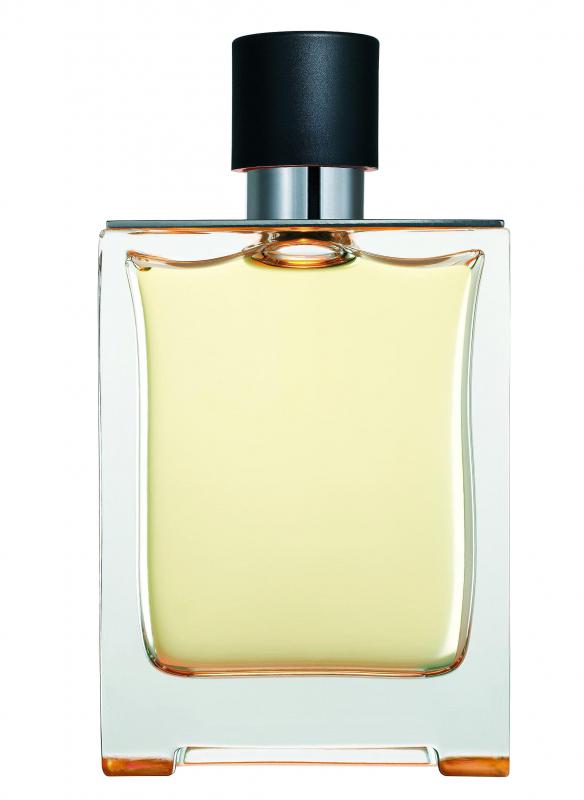
![Sandalwood is used in some perfumes.]() By: Kayros StudioSandalwood is used in some perfumes.
By: Kayros StudioSandalwood is used in some perfumes. -
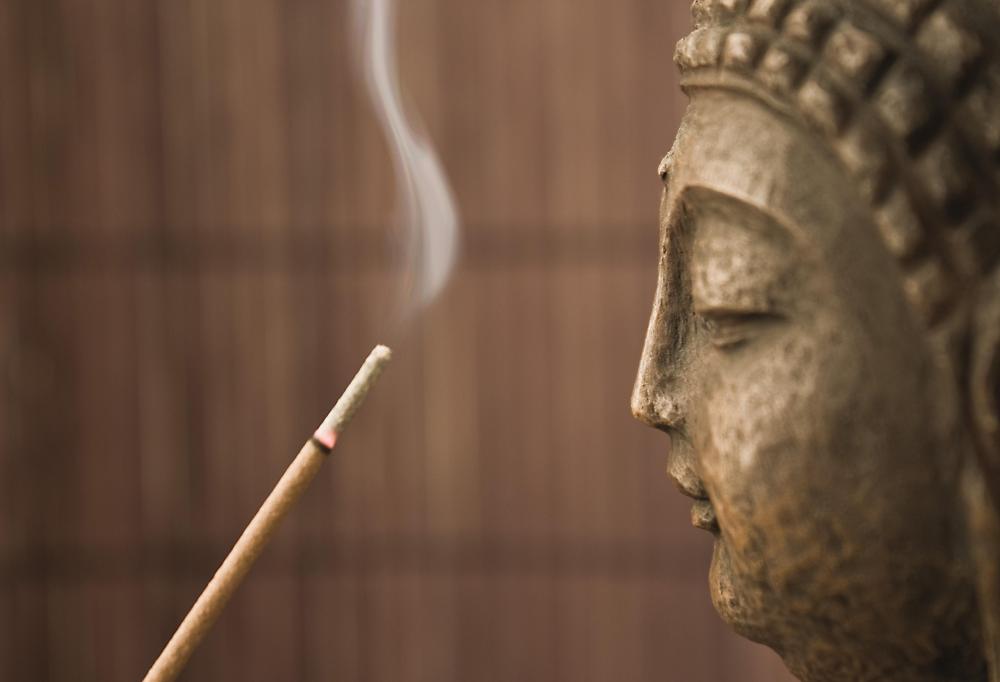
![Sandalwood is a popular incense scent.]() By: styleuneedSandalwood is a popular incense scent.
By: styleuneedSandalwood is a popular incense scent. -
![The heart of the sandalwood tree is harvested, ground, and then burned as incense.]() By: gigidreadThe heart of the sandalwood tree is harvested, ground, and then burned as incense.
By: gigidreadThe heart of the sandalwood tree is harvested, ground, and then burned as incense. -
![Australian sandalwood is most commonly used to make sandalwood products.]() By: Elena RayAustralian sandalwood is most commonly used to make sandalwood products.
By: Elena RayAustralian sandalwood is most commonly used to make sandalwood products.


Discussion Comments
In aromatherapy, sandalwood is supposed to calm your nerves. I wanted to try it, but I just couldn't afford it.
My aunt is really into aromatherapy, and she says that adding sandalwood to a warm bath really relaxes her. She tends to get her mind worked up during the day, and she uses sandalwood to wind it down so that she can sleep at night.
Some people say that the scent is too sensual to put them to sleep, while others claim it relaxes them very much. I suppose it all depends on the individual.
@Kristee – It probably varies by geography. My cousin lives in Hawaii, and he has planted sandalwood trees with several types of exotic trees that won't grow just anywhere.
I actually got the chance to see a sandalwood tree up close. It kind of reminded me of a holly tree, because it has dark green leaves and red berries.
It really didn't seem like something that should be growing in a coastal paradise, but my cousin says it does well in the soil there. I suppose there are several different kinds of sandalwood trees.
There's nothing quite like sandalwood's aroma. It's pretty potent, so a little bit goes a long way, but that little bit is so very enticing.
Does anyone know what types of trees need to be planted to serve as hosts to sandalwood? Do only other sandalwood trees do this, or are there other kinds that you can use?
Sandalwood products are usually pretty expensive. After reading this article, I understand why.
I wonder if there will ever be a long gap in sandalwood production. Since the trees take so long to mature, it seems that a few decades without sandalwood are likely.
I'm kind of amazed that it hasn't happened yet! I've heard that in some countries, sandalwood is considered endangered.
Post your comments