
At HomeQuestionsAnswered, we're committed to delivering accurate, trustworthy information. Our expert-authored content is rigorously fact-checked and sourced from credible authorities. Discover how we uphold the highest standards in providing you with reliable knowledge.
What is Salvia?
 Mary McMahon
Mary McMahon
Mary McMahon
Salvia, or sage, is a large genus of plants, including hundreds of species grown for culinary and ornamental purposes. Many garden supply stores carry several species, differentiating between purely ornamental ones and plants that can be used for cooking. All of the plants are characterized by upright flower stalks with clusters of often brightly colored flowers, along with square stems and slender grey-green to bright green leaves. When planted in an area it likes, the plant will flourish and reseed itself with little additional care.
Sage is found all over the world, especially in Mediterranean climates. Culinary sages are mostly native to Europe, while decorative varieties originated largely in the Americas. The plants have been further spread and hybridized by human intervention, since they are a popular addition to the garden.

For a low water garden or a garden with poor soil conditions, salvia is an excellent choice of ornamental plant and ground cover. Like many members of the mint family, these species are very hardy, except in extremely cold weather, and they actually prefer poor soil, as long as it drains well. In temperate conditions, the plants can be grown as annuals, and they will turn into very large bushes if allowed to grow unchecked. Perennial salvia will reseed itself, and it can also be propagated through root division every few years.

In a cold climate, seedlings should be planted after the last frost in a warm, sunny spot. The red, purple, white, or orange blooms can be periodically deadheaded to keep the plant in flower, and the foliage will stay green until the winter weather is too cold for the plant. It can be used as a potted ornamental as well, although it does not do well indoors.

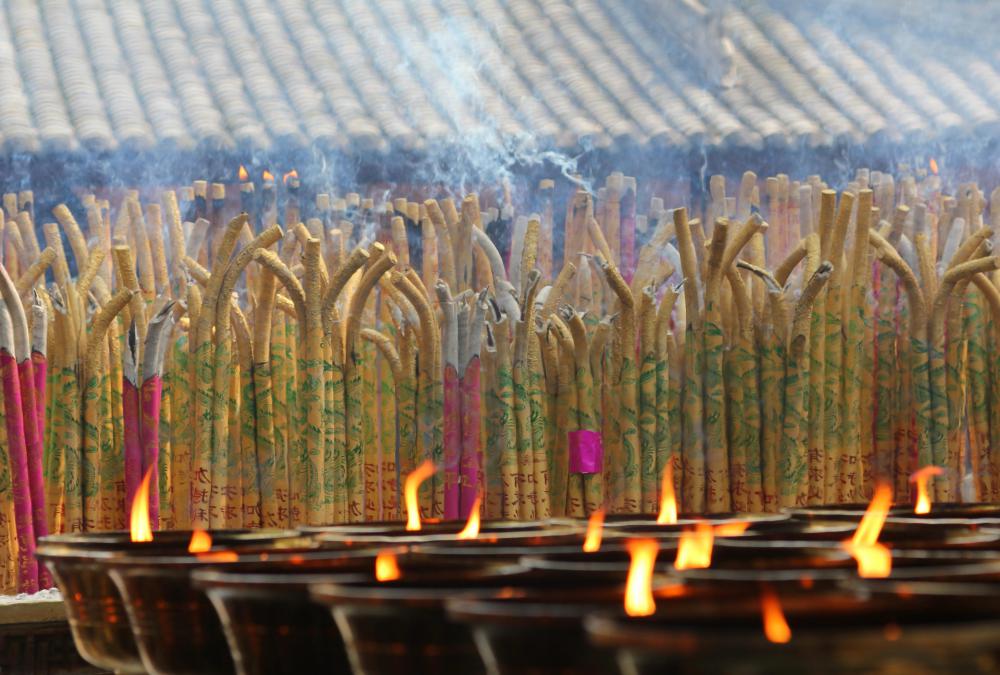
Culinary salvia can be used both fresh and dried in soups, stocks, sauces, and other dishes. It adds a strong aroma and flavor to foods, especially when used fresh. Ornamental plants can be dried and used in flower arrangements and bouquets. The lingering aroma can also be used to enhance potpourri, and it can be burned as incense.
One cultivar, Salvia divinorum or diviner's sage, has psychoactive properties due to a diterpenoid compound in the plant. In addition, the plant is also quite attractive, and it is often use for ornamental borders and dried flower arrangements. It has a long history of traditional use among Native Americans, especially in Mexico and the Southwest.
Mary McMahon
Ever since she began contributing to the site several years ago, Mary has embraced the exciting challenge of being a HomeQuestionsAnswered researcher and writer. Mary has a liberal arts degree from Goddard College and spends her free time reading, cooking, and exploring the great outdoors.
Learn more...
Mary McMahon
Ever since she began contributing to the site several years ago, Mary has embraced the exciting challenge of being a HomeQuestionsAnswered researcher and writer. Mary has a liberal arts degree from Goddard College and spends her free time reading, cooking, and exploring the great outdoors.
Learn more...AS FEATURED ON:
AS FEATURED ON:


-
![Purple salvia.]() By: nitoPurple salvia.
By: nitoPurple salvia. -
![Red salvia.]() By: sbgoodwinRed salvia.
By: sbgoodwinRed salvia. -
![A stem of sage leaves.]() By: Irina BelousaA stem of sage leaves.
By: Irina BelousaA stem of sage leaves. -
![Salvia can be used to make incense and other aromatic products.]() By: gigidreadSalvia can be used to make incense and other aromatic products.
By: gigidreadSalvia can be used to make incense and other aromatic products.


Discussion Comments
I have some salvia in my yard but it has become too overgrown. What started out as small plants have now become bushes. I think they are too big at this point to divide the roots, but I need to do something so they aren't so big since they are taking over the whole flower garden.
Does anybody have any suggestions what I can do about these? I think if I prune them back, they will just keep growing bigger and bigger.
There are many different kinds of salvia, and you can find this at almost any place that sells flowers in the spring. I have planted both annual and perennial salvia and never get tired of the bright, bold color these plants produce.
I also like to use salvia spikes in dried flower arrangements. One of the varieties I have has long spikes that add just the right amount of height and color to many flower arrangements.
I don't have a lot of extra money to spend on flowers, so I wait until the end of the season and stock up on perennials every year. Salvia is one of those plants that you can't go wrong with.
Even though I have perennial salvia, this is one of the longest blooming perennials I have. The first bloom is usually the best, but my salvia will keep flowering all the way up to the first frost. I don't have any other perennial plants that will do that.
Since salvia is a member of the mint family that also means that honeybees like it. I like planting flowers that attract bees and butterflies and this is one plant that does both.
I have some perennial salvia planted in my rock garden. I planted this here for a couple of reasons, one being it does well in dry soil. Because this is a rock garden, the only water it gets is from rainfall, so I wanted something that would do well whether I watered it or not.
Another reason is that the bright purple blooms really add a lot of color to an area that could otherwise look kind of drab.
The problem with the ability to regulate the intoxicating use of Salvia Divinorum is the fact that the extracting process for turning it into oil is not regulated as well. It would be necessary that companies and labs that operate with the use of Salvia divinorm extract, should be under tight regulation.
It's amazing what kind of different extracts strengths that can be found today. I'm talking about Salvia 10x, 20X, 30X, Salvia 40x, 5x, 60x, as well as the raw use of the salvia leaves themselves. It's a strange world.
Personally I think that any American citizen or world citizen for that matter should be entitled to the ability to intoxicate their mind to a certain degree. Just as we allow the use of alcohol by responsible adults, we should also allow the use of other narcotics and drugs as long as they are in a controlled amount.
Only when we make a substance legal and controlled will we be able to make sure that addicts are getting the help they need. In the end we need to treat the use of Salvia and other drugs like a substance that we understand, not one that we hide from as a society.
One part about the Salvia Divinorum plant that is completely overlooked in this analysis is the use of it for intoxication. This very specific and deliberate smoking of the substance has become very popular in the youth looking to be able to experience a semi-legal high.
The problem of course is that this substance is widely misunderstood even by the most versed shamans and scientists. For this very reason of it being misunderstood, the plant and it's oil extract has remained in a legal state of sale throughout many of the United States regions and locales.
I just wonder if it is only a matter of time until we actually see the use of Salvia cuttings and extract become less and less popular. I sure hope they do.
Post your comments