
At BeautyAnswered, we're committed to delivering accurate, trustworthy information. Our expert-authored content is rigorously fact-checked and sourced from credible authorities. Discover how we uphold the highest standards in providing you with reliable knowledge.
What Is Salicylic Acid?
 Mary McMahon
Mary McMahon
Mary McMahon
Salicylic acid is a natural product that has been used in the treatment of disease for thousands of years. In addition to being produced naturally from plants, it can also be synthesized through a chemical reaction, which is the production method of choice for commercial use. Many people are familiar with this cehmical; most have a bottle of it around the house somewhere, although they may know it better as aspirin. In point of fact, salicylic acid is actually a precursor to aspirin, not aspirin itself; by taking it, the user can stimulate the production of aspirin. Some companies also sell true aspirin, which works more quickly and is immediately effective.
In nature, this acid forms in the bark of the willow tree, also known as Salix. People all over the world have observed that preparations of willow bark can be used to treat headaches and skin conditions for centuries; the Greeks, for example, prepared a white powder from willow bark, while Native Americans used willow bark to make therapeutic teas. In pure form, salicylic acid looks much like the Ancient Greek preparation, appearing as a white crystalline powder.

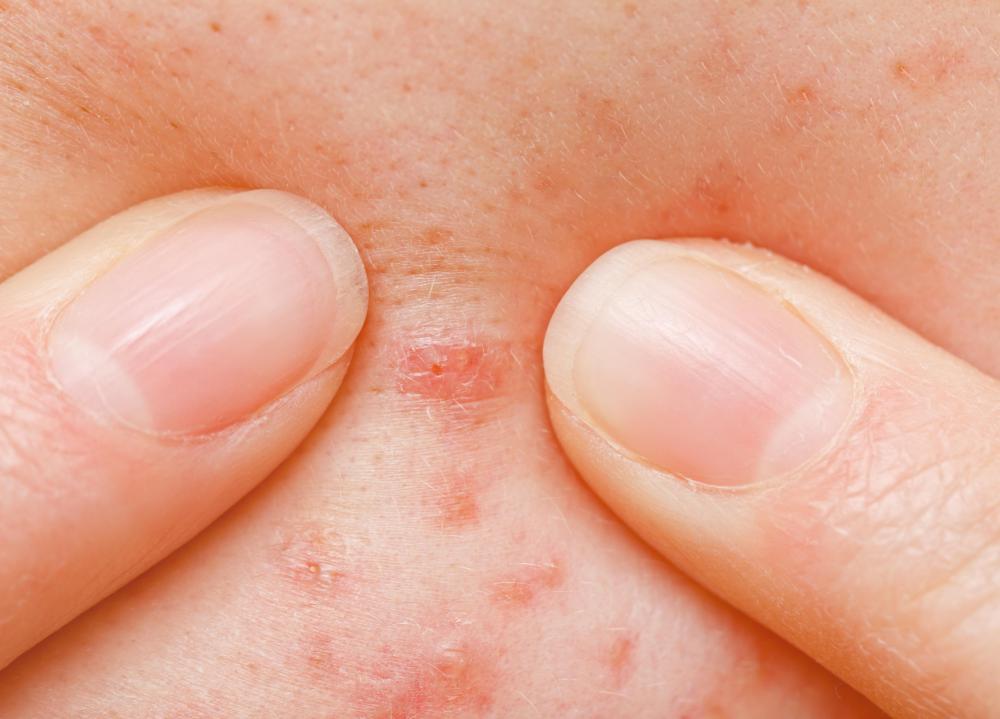
In addition to being used to treat headaches, salicylic acid can also be used in the treatment of skin conditions. It softens the skin, taking off dead skin and opening the pores, and it is highly recommended by natural skincare providers for the treatment of acne and psoriasis. It can also be used, incidentally, to treat inflamed piercings. Many companies sell salicylic acid cleansers, creams, bath additives, and ointments containing this acid for the purpose of treating skin problems, and people can also cheat with a bottle of aspirin; they can grind the aspirin up, mix it with water to form a paste, and rub it onto the affected area.

Salicylic acid can also be used as a preservative, in moderation. Large amounts of this chemical compound can be toxic, leading to health problems as the liver attempts to process it. Some people are more sensitive to it than others; people who are pregnant should avoid it, for example, and it is also not advised in people with zinc deficiencies.
To make it in the lab, scientists subject sodium phenoxide to carbon dioxide that is under high pressurization. Once acidified, the mixture will turn into salicylic acid. This technique is used to produce a reliably pure and consistent product for use in commercial preparations; it is still possible, however, to find products made with traditional willow bark.
Mary McMahon
Ever since she began contributing to the site several years ago, Mary has embraced the exciting challenge of being a BeautyAnswered researcher and writer. Mary has a liberal arts degree from Goddard College and spends her free time reading, cooking, and exploring the great outdoors.
Learn more...
Mary McMahon
Ever since she began contributing to the site several years ago, Mary has embraced the exciting challenge of being a BeautyAnswered researcher and writer. Mary has a liberal arts degree from Goddard College and spends her free time reading, cooking, and exploring the great outdoors.
Learn more...AS FEATURED ON:
AS FEATURED ON:


-
![Salicylic acid is a phenol that is used to treat acne.]() By: Ocskay BenceSalicylic acid is a phenol that is used to treat acne.
By: Ocskay BenceSalicylic acid is a phenol that is used to treat acne. -
![Salicylic acid is a precursor to aspirin.]() By: blueskies9Salicylic acid is a precursor to aspirin.
By: blueskies9Salicylic acid is a precursor to aspirin. -
![Most side effects of salicylic acid ointment are mild.]() By: Ocskay BenceMost side effects of salicylic acid ointment are mild.
By: Ocskay BenceMost side effects of salicylic acid ointment are mild. -
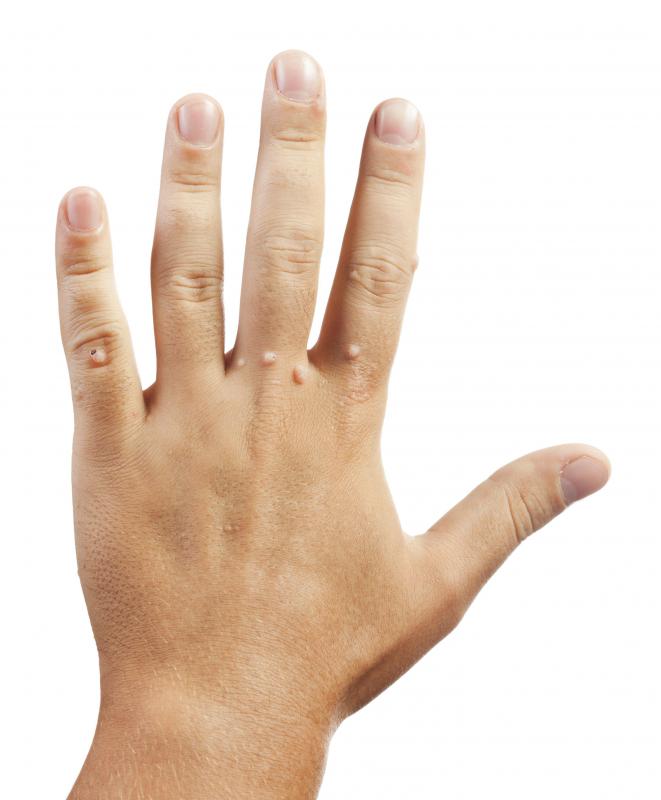
![Topical salicylic acid can be used to treat warts.]() By: Tiler84Topical salicylic acid can be used to treat warts.
By: Tiler84Topical salicylic acid can be used to treat warts.


Discussion Comments
can I use the products with natural salicylic acid if i am allergic to aspirin?
@Crispety - I heard that salicylic acid soap containing sulfur is also effective in treating acne. It really is supposed to leave oily skin feeling clean and it tends to dry out the acne prone areas.
I used to use a combination of Retina- A as a topical cream along with treatments of Accutane, but it was taken off the market by the FDA because of the adverse side effects.
Luckily I only took the medication for a few months and did not have a problem. Anything with salicylic acid is excellent for oily and combination skin. That is all I use and people can’t tell that I used to have an acne problem when I was younger.
I use a night cream that has salicylic acid in order to refresh my skin. It really removes the dead layers of my skin and leaves my skin feeling smoother. It also lightens my sun spots as well.
Salicylic acid is great for acne and skin that tends to breakout, but if you have sensitive skin it might be a bit too strong for you because it is a pretty potent exfoliant.
Post your comments