
At DelightedCooking, we're committed to delivering accurate, trustworthy information. Our expert-authored content is rigorously fact-checked and sourced from credible authorities. Discover how we uphold the highest standards in providing you with reliable knowledge.
What is Root Beer?
 Niki Foster
Niki Foster
Niki Foster
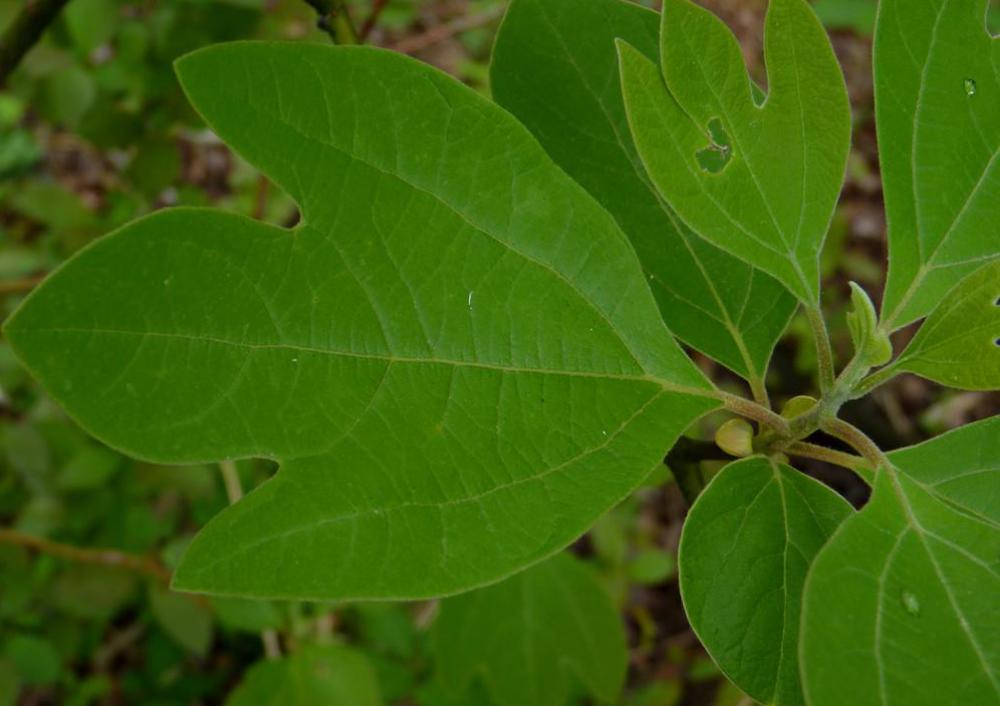
Root beer is a beverage made from a variety of plant roots and spices. Recipes abound, so different commercially sold brands or homemade versions may differ widely in taste. This drink is typically non-alcoholic, though alcoholic versions were more common in the past, before the prohibition era. Sassafras root is usually the main flavoring of root beer, which takes its name from this ingredient. Imitation sassafras is most commonly used today, as natural sassafras is mildly carcinogenic.
The earliest incarnations of root beer were slightly alcoholic and used as medicine for mouth complaints, including sore throat, cough, and canker sores. This type was brewed from roots or root extracts and sold at drug stores. Philadelphia pharmacist Charles Elmer Hires is credited with the invention of root beer as we currently know it. In 1866, at the age of 15, he began selling it as a powder that was mixed with water, sugar, and yeast to make a carbonated soft drink. In 1893, he began selling it bottled, ready to drink.

Hires marketed his drink as a flavorful and healthy alternative to alcohol in the early days of the temperance movement, and his efforts were quite successful. The prohibition against alcohol in the United States during the 1920s cemented the popularity of root beer, and many breweries that had formerly produced beer began manufacturing this alternative instead. The beverage also rose to popularity in England in the late 19th and early 20th centuries, with many local varieties, using roots other than sassafras, in existence.

Root beer, being an alternative to alcoholic beverages, is often served to children. Some commercial versions include caffeine, but most do not. A popular dessert using it is the root beer float, which adds vanilla ice cream to the beverage and is traditionally eaten with a long spoon.
The popularity of root beer declined after the discovery that sassafras is carcinogenic in the 1960s, with cola largely taking its place. However, pure sassafras is no longer used in commercial products. The beverage still boasts many fans, at least in the United States, and the adventurous have been known to brew their own concoctions.
Niki Foster
In addition to her role as a DelightedCooking editor, Niki enjoys educating herself about interesting and unusual topics in order to get ideas for her own articles. She is a graduate of UCLA, where she majored in Linguistics and Anthropology.
Learn more...
Niki Foster
In addition to her role as a DelightedCooking editor, Niki enjoys educating herself about interesting and unusual topics in order to get ideas for her own articles. She is a graduate of UCLA, where she majored in Linguistics and Anthropology.
Learn more...AS FEATURED ON:
AS FEATURED ON:


-
![Sarsaparilla is sometimes included in root beer.]() By: Brad P.Sarsaparilla is sometimes included in root beer.
By: Brad P.Sarsaparilla is sometimes included in root beer. -
![Root beer.]() By: karandaevRoot beer.
By: karandaevRoot beer. -
![The origins of paper root beer can be traced to Philadelphia.]() By: SeanPavonePhotoThe origins of paper root beer can be traced to Philadelphia.
By: SeanPavonePhotoThe origins of paper root beer can be traced to Philadelphia. -
![The sassafras leaf is shaped kind of like a mitten, with three lobes.]() By: Dendroica ceruleaThe sassafras leaf is shaped kind of like a mitten, with three lobes.
By: Dendroica ceruleaThe sassafras leaf is shaped kind of like a mitten, with three lobes. -
![Early incarnations of root bear were used for mouth and throat complaints.]() By: Innovated CapturesEarly incarnations of root bear were used for mouth and throat complaints.
By: Innovated CapturesEarly incarnations of root bear were used for mouth and throat complaints.



Discussion Comments
@elfi64: I actually have no problem believing that because root beer tastes like toothpaste that it may be good for the teeth.
@galen84basc-- It's not very hard at all, and you really don't need any special equipment to get a basic, decent tasting root beer.
All you need is an empty two liter bottle, a supply of cold water (tap water is fine), then some white sugar, baker's yeast, and rootbeer extract, which you can get online or in grocery stores. Oh, and a funnel.
So you take your two liter and put in a cup of table sugar (you can do slightly more or less to get the kind of taste you like). Then add in 1/4 teaspoon of yeast. It should be powdered yeast, not liquid yeast.
Shake the bottle up to distribute the yeast evenly throughout the sugar -- this is important, so make sure you shake thoroughly!
After you've got it mixed up properly, shake the bottle so a little dip forms in the middle of your sugar and yeast mix -- you want to make a bowl to catch the rootbeer extract.
Next, you add a tablespoon of rootbeer extract, which will get sticky on top of the sugar.
Fill your bottle about halfway full with cool water, and then swirl everything around until it dissolves. Then proceed to fill the bottle up to the neck, and put the cap on the bottle.
You should let it sit for about three days at room temperature, and then you can refrigerate it before you drink it.
So no rootbeer kegs required -- unless you want them -- just a two liter and some extract.
Best of luck!
How exactly do you make rootbeer? I know that they sell root beer kits, and root beer making supplies, but what does the actual process look like?
I'm not planning on making kegs of rootbeer or anything, but I think it would be nice to be able to make my own for summer parties and what not. And I bet that a home made root beer float would be a lot better than one made regular old Dad's Rootbeer.
So can anybody tell me the process -- what kind of equipment you would need, and about how much that costs, and what the actual root beer making process looks like?
I can only imagine what it would have been like to live in the 1800s -- I mean, you've got alcoholic root beer, cocaine drops for toothaches, and nitrous oxide parties.
I had no idea that sassafras was carcinogenic though -- makes me glad that I'm not much of a rootbeer fan.
I'll take an IBC rootbeer every now and again, and I like a rootbeer float on occasion, but on the whole I'm not much of a soda drinker anyway.
I wonder if there's been any study done on the correlation between rootbeer float consumption during the 1950s and cancer rates? I bet that would be really interesting.
Because of acidity, sodas are harmful to teeth enamel. Pepsi and coke are the most acidic, while root beer is least acidic according to a test conducted with 20 soft drinks.
To protect the enamel, staying away from sodas, or drinking with a straw is advisable.
Post your comments