
At DelightedCooking, we're committed to delivering accurate, trustworthy information. Our expert-authored content is rigorously fact-checked and sourced from credible authorities. Discover how we uphold the highest standards in providing you with reliable knowledge.
What is Rice Milk?
 Michael Pollick
Michael Pollick
Michael Pollick
Rice milk is one of several types of milk that are made from grain and can be used as substitutes for animals' milk. No animal products are used during the production of this beverage, so most vegans and vegetarians consider it an acceptable alternative to animals' milk. It also does not contain lactose, so it is suitable for people who are lactose-intolerant, and it can be used to create dairy substitutes such as coffee creamers and ice creams. Although it has very little protein, it does provide carbohydrates and is often fortified with essential vitamins.
Many health food stores sell grain milks, and common grocery stores might carry them in designated areas. Some is shipped in paper containers similar to those containing cow's milk and is kept refrigerated to prevent spoilage. Other producers ship it in aseptic containers, which eliminate the need for it to be refrigerated before it is opened. Rice milk generally has a shelf life of nine months or more before it has been opened and one to two weeks after it has been opened.
Making It at Home

In some countries, commercially made rice milk — especially the refrigerated versions — can be expensive because of a combination of shipping costs and low demand. In response to these higher retail prices, many people create their own versions at home. There are many recipes available online or in vegetarian cookbooks, but the basic ingredients usually are cooked rice, water, sea salt and vanilla. After the cooked rice and water are mixed in a blender, the mixture is often strained through a cheesecloth to remove sediments. Sea salt, vanilla and sometimes other flavors or spices, such as cinnamon or chocolate, can then be added.
Switching from Cow's Milk

When someone switches from using cow's milk to using rice milk, it might take some time to get used to the differences. There is very little natural fat in the liquid made from rice, although some manufacturers compensate for this by adding natural thickeners, such as carrageenan or tapioca. It also can be fortified with extra vitamins and minerals, although not to the same degree that cow's milk typically is. Giving children the chocolate- or vanilla-flavored rice milk that is sold in stores might be a good way to introduce them to alternative grain milks. Experts suggest that experimenting with different brands and flavors can help a person find the one that best suits his or her family's needs.
Michael Pollick
A regular DelightedCooking contributor, Michael enjoys doing research in order to satisfy his wide-ranging curiosity about a variety of arcane topics. Before becoming a professional writer, Michael worked as an English tutor, poet, voice-over artist, and DJ.
Learn more...
Michael Pollick
A regular DelightedCooking contributor, Michael enjoys doing research in order to satisfy his wide-ranging curiosity about a variety of arcane topics. Before becoming a professional writer, Michael worked as an English tutor, poet, voice-over artist, and DJ.
Learn more...AS FEATURED ON:
AS FEATURED ON:


-
![Rice plants.]()
Rice plants. -
![Rice.]() By: airborne77Rice.
By: airborne77Rice. -
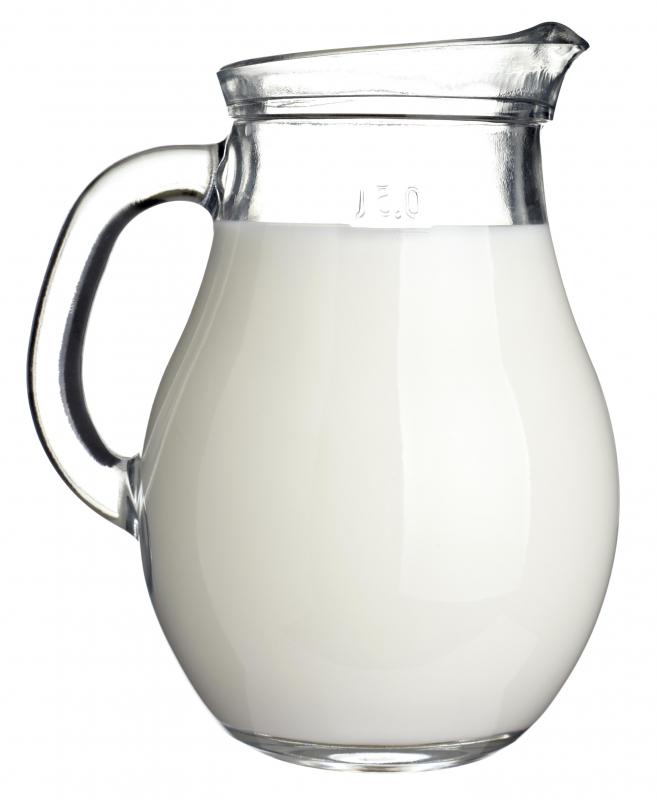
![A pitcher of rice milk.]() By: picsfiveA pitcher of rice milk.
By: picsfiveA pitcher of rice milk. -
![Carrageenan powder, which is sometimes used to thicken rice milk.]() By: lculigCarrageenan powder, which is sometimes used to thicken rice milk.
By: lculigCarrageenan powder, which is sometimes used to thicken rice milk. -
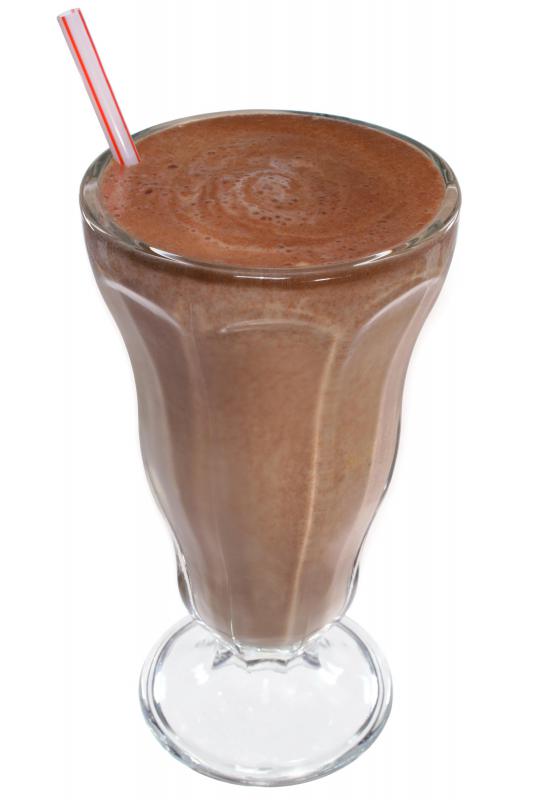
![Rice milk can be substituted for cow's milk in a milk shake.]() By: JLV Image WorksRice milk can be substituted for cow's milk in a milk shake.
By: JLV Image WorksRice milk can be substituted for cow's milk in a milk shake. -
![Salt is often added when making rice milk.]() By: uwimagesSalt is often added when making rice milk.
By: uwimagesSalt is often added when making rice milk.




Discussion Comments
I have a one year old son who is milk intolerant, cow protein intolerant, soy intolerant, wheat intolerant has bad reflux (on mylanta) and has a damaged esophagus from all the vomiting, so he can't have anything with tomato base or citrus. It is difficult finding foods for him. Does anyone know a site where I can find recipes?
anon126366 - Giving your child a tums a day is very bad his/her stomach. If a doctor is the one who told you to do that then you need a new doctor. Tums is a form of calcium that is called carbonate and it is a buffer that after a long time of using can make your stomach more base than it should be which in return, will cause your child to have a hard time digesting things because the acids are not at the right levels.
The only kinds of calcium that you should take in a supplement is Citrate. Please do not give your child supplements unless you do lots of research. Doctors don't know everything and tums is not a good source of calcium.
Rice milk is OK for kids over one, or kids who are getting most of their nutrients from food, so at about 11 months or so. Most children get more milk than they need. Four eight-ounce glasses is just too much.
is rice milk different from rice beverage?
My son had dairy allergies from the day he was born -- even reacted from dairy from my diet. After nursing I gave nutramigen until he was a year old, and then rice milk ever since.
He is now three and has no problems. I also give a multivitamin daily and 1/2 of a tums tablet for calcium. These supplements are from the pediatrician. Hope this helps someone!
Getting a few years under my belt (Just turned 69!), still in decent health, enjoying life and wanting to keep it that way. I have decided to make a few changes.
At my 12 year old lactose intolerant grandson's suggestion I tried rice milk. I had already tied soy milk and others which seemed too watery and tasteless but I immediately liked the rice milk better than any I tried before. It has a thicker consistency and a very mild, sweet taste. Sort of pricey but worth it, especially since I am the only rice milk user in the family.
I just found out that my daughter is not only allergic to milk, eggs, egg whites, but soy as well. My doctor told me to try rice milk. She is 2 1/2. If I give her rice milk what kind of fats should I add to her diet? Someone please help me understand this whole thing.
Barley formula is very good for the babies. A drink made from barley. Good for protein. Sweetened a little.
Since I couldn't breastfeed for a full year like I wanted to, I give my baby a homemade formula based on raw goat's milk.
During the winter when goats aren't milking, I give her what I call "soup", a formula based on beef broth (which is essentially allergen-free). Both are very similar to breast milk, and she has thrived on both. The recipes are in the cookbook Nourishing Traditions by Sally Fallon. I hope it helps others as much as it has helped our family.
We started our child on rice milk at 11 months due to lack of breast milk production and allergies to the regular and soy formulas.
There are a couple of special formulas that we tried but my baby wouldn't drink them and they were $25/can - money down the toilet.
Discussion with your doctor is best. Sometimes this is the only option. My child is now 3 1/2 and is perfectly fine. He gets the vitamins and nutrients he needs from other sources of food.
can anyone please inform me details of departmental store in chennai, Tamilnadu, India where from I will be able to get rice milk off the shelf.
Nobody should be drinking or eating anything with carrageenan in it! I will take my chances with regular, good old-fashioned, been around for thousands of years, milk!
If you can't breastfeed and they are allergic to cow/goat milk and soy, and you decide to give them rice milk, make sure you discuss with your doctor the proper supplements and fats to give your child, because they need protein and different fats like saturated, omega 6,9s etc as well as various vitamins and minerals that aren't in rice milk. Breast milk is the best, but if that isn't possible, then try and find the next best thing. And don't forget the fats! That is what their developing brains are composed of!
My children do not tolerate cow's milk or soy, but do well on goat milk -fresh goat milk. You can pastuerize it at home if you wish. Lots of egg yolk will help too after 4-6 mos. of age. Babies need lots of fat for brain development.
Never feed you infant soy milk! Read up on new research!
Is rice milk, or almond milk a safe consumption for individuals with GERD?
OK i am going to give my personal experience regarding babies and rice milk. my son was sick on every formula on the market all the elemental formulas soy formula the predigested formula you name it it made him sick!! all the time i wasted on formula that made him sick precious time was wasted he stopped growing. i finally decided to give him rice milk the only thing he could tolerate and gave him lots fat!! cod liver oil meats and soft boiled egg every morning to replace the fats he was missing and he did ten times better. add cod liver oil to his diet and very soft egg yolk not the whites its hard to digest. hope this helps someone
My 4 month old is allergic to milk and will not drink the formula that has broken down protein. Her allergy causes her to be congested all the time, rashes on her body, throwing up and fussing while she eats. Her pediatrician and I have tried everything and a friend of mine told me to feed her rice water. (the water left over from bowling rice) I am desperate to find something that will work for her but I want her to be healthy. Yes, I have tried every formula they make and nothing works. Similac sensitive causes the least side effects and she will drink it so that is what I am giving her now. She got very sick with the Soy Milk. Do you have any ideas that I can discuss with her doctor?
I would like a recipe for an ice cream like dessert like Rice Dream Frozen Dessert which though delicious is quite expensive. I am unable to use dairy products or soy due to allergies. Thank you.
I was reading all these posts about the Rice milk. My daughter is 8 months old the doctor put her on rice milk for the next week till her fever is gone. Since milk upsets your stomach when you have a fever.
"The World Health Organization recommends a minimum of two years of breastfeeding and exclusive breastfeeding for the first six months of life. AAP recommends at least one year of breastfeeding and exclusive breastfeeding for the first six months of life."
The only milk your child should have within the first 2-3 years is breast milk. Then after the first '5 years' it is safe to switch to rice milk.. or oat milk. Children should avoid almond milk due to a risk in nut allergies, safe for adults though. Everyone should avoid cows milk at all costs.
can rice milk be given to a child that is allergic to rice?
My little girl is 14 months old and rice milk is the only milk that seems 2 agree with her digestive system. Is she to young for this milk?
can anyone tell me if rice milk is all right to give to dogs.
Can you give me several names of manufacturer of rice milk?
No, you CANNOT substitute rice milk for cow's milk for an infant under 12 months of age. It does not contain the nutrients needed for normal development before age 1. Your options are breast feeding while you have a dairy free diet and you use rice milk which I have done or you need to have your infant on a special formula which has the milk proteins broken down into more easily digestible forms or use soy infant formula if they can tolerate that. Many infants allergic to cow proteins cannot digest soy either but it is worth trying before more expensive formulas.
Can you give rice milk to an infant who is having problems with cow's milk and soy milk formula? Thanks.
Since rice milk does not contain protein, does rice milk contribute to constipation?
Post your comments