
At TheHealthBoard, we're committed to delivering accurate, trustworthy information. Our expert-authored content is rigorously fact-checked and sourced from credible authorities. Discover how we uphold the highest standards in providing you with reliable knowledge.
What is Retinol?
Retinol is an active form of vitamin A, a fat-soluble vitamin that is essential to vision and bone development. Sources include liver, whole milk, and fortified foods. The body can also convert it to retinal and retinoic acids as found in carotene compounds. This vitamin is also used as a topical compound for treating acne and improving other forms of skin damage from aging and UV damage from the sun.
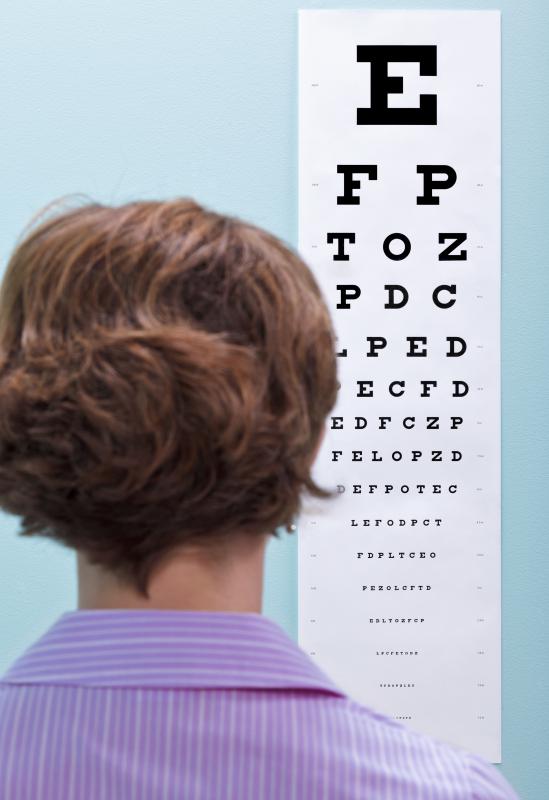
Vitamin A plays an important role in vision health, and a deficiency leads to night blindness. Similarly, it plays an essential role in bone health and nourishment. An excess of vitamin A in retinoid form is harmful, however, and can even be fatal. Too much of this vitamin may also be linked to osteoporosis.

Once absorbed by the body, vitamin A is stored in the liver in ester form until retinol is needed in other parts of the body. It is then released into the blood stream and carried elsewhere to the body. The recommended daily amount (RDA) is approximately 900 micrograms per day, depending on age, gender, and health. It is recommended that the average adult should not consume more than 1,500 micrograms (5,000 IU) per day.

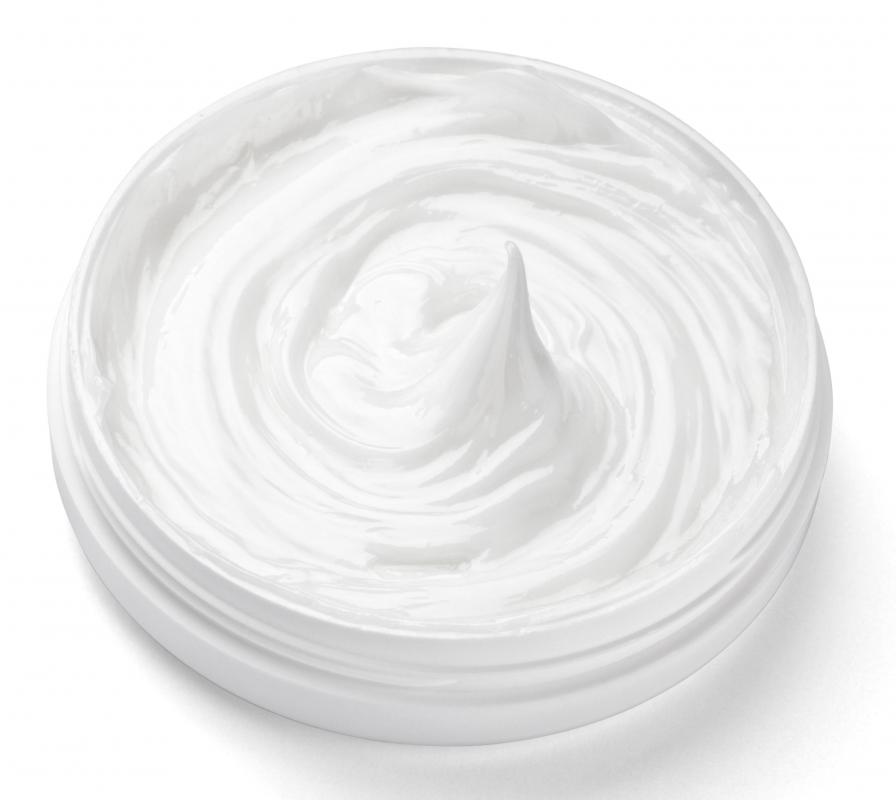
While vitamin A is an essential nutritional requirement, the uses of retinol are also widespread in the cosmetic and clinical industries. It is used in topical applications in the form of gels and creams and is available in both over-the-counter products as well as by prescription. Tretinoin is a clinical retinoic acid that is used by dermatologist to treat patients with acne. Many cosmetics, including skin creams, contain this form of the vitamin as well. Derivatives of it that are absorbed through the skin are believed to increase skin cell production and collagen, which can help smooth damaged or wrinkled skin over time.
AS FEATURED ON:
AS FEATURED ON:


-
![Retinol is used as a topical acne treatment.]() By: Ocskay BenceRetinol is used as a topical acne treatment.
By: Ocskay BenceRetinol is used as a topical acne treatment. -
![Retinol cream.]() By: picsfiveRetinol cream.
By: picsfiveRetinol cream. -
![Vitamin A, which Retinol is a form of, is important for vision health.]() By: RTimagesVitamin A, which Retinol is a form of, is important for vision health.
By: RTimagesVitamin A, which Retinol is a form of, is important for vision health. -
![A diagram of younger and older skin showing the decrease in collagen in older skin. Retinol can help boost collagen production.]() By: AlilaA diagram of younger and older skin showing the decrease in collagen in older skin. Retinol can help boost collagen production.
By: AlilaA diagram of younger and older skin showing the decrease in collagen in older skin. Retinol can help boost collagen production.


Discussion Comments
I have a lot of acne on my back. i want to know if retinol will help my back acne.
hi. I am pregnant and I want to know if I use skin products with retinol in whether that will cause any damage to my baby? Is retinol absorbed through the skin and taken up in the blood streem?
What is the different roles of retinol in the body(not retinal or retinoic acid)?
Post your comments