
At TheHealthBoard, we're committed to delivering accurate, trustworthy information. Our expert-authored content is rigorously fact-checked and sourced from credible authorities. Discover how we uphold the highest standards in providing you with reliable knowledge.
What is Respiration?
The term "respiration" refers to two separate processes, both of which occur in living things and are related to the generation of energy. One is physiological respiration, the process by which an organism takes in oxygen and excretes carbon dioxide. The second is cellular respiration, a series of biochemical reactions that allow a cell to generate energy.
Physiological Respiration
There are four stages to this process in humans and other mammals, and they plot the progress of oxygen from inhalation into the lungs to absorption by internal organs and other tissues. It also covers the exhalation of carbon dioxide.
Ventilation

The first stage is ventilation, in which air moves in and out of the alveoli of the lungs. These are fibrous collagen structures that expand during inhalation, to take in the maximum amount of oxygen; upon exhalation, they contract and release carbon dioxide. Alveoli are present only in mammalian lungs; however, similar structures exist in other vertebrate animals, such as reptiles and birds.
Pulmonary Gas Exchange

In this stage, oxygen from the alveoli enters the circulatory system through the pulmonary capillaries. The alveoli and the pulmonary capillaries are separated by a barrier just two cells thick; once across this barrier, oxygen molecules bind to the hemoglobin, a special protein, in red blood cells.
Gas Transport
Gas transport begins in the pulmonary capillaries. In this step, oxygen bound to hemoglobin moves through the blood vessels of the circulatory system, eventually entering capillaries throughout the body. Capillaries feed organs, glands, and other tissues, which need a constant supply of oxygen to function.
Peripheral Gas Exchange

The final stage is peripheral gas exchange, in which oxygen moves from the capillaries into cells. This happens similarly to the way gases diffuse between alveoli and pulmonary capillaries in the lungs. Waste gases, such as carbon dioxide excreted by cells, enter the capillaries and move though the circulatory system to the lungs, where they are released during exhalation.
Other Physiological Systems

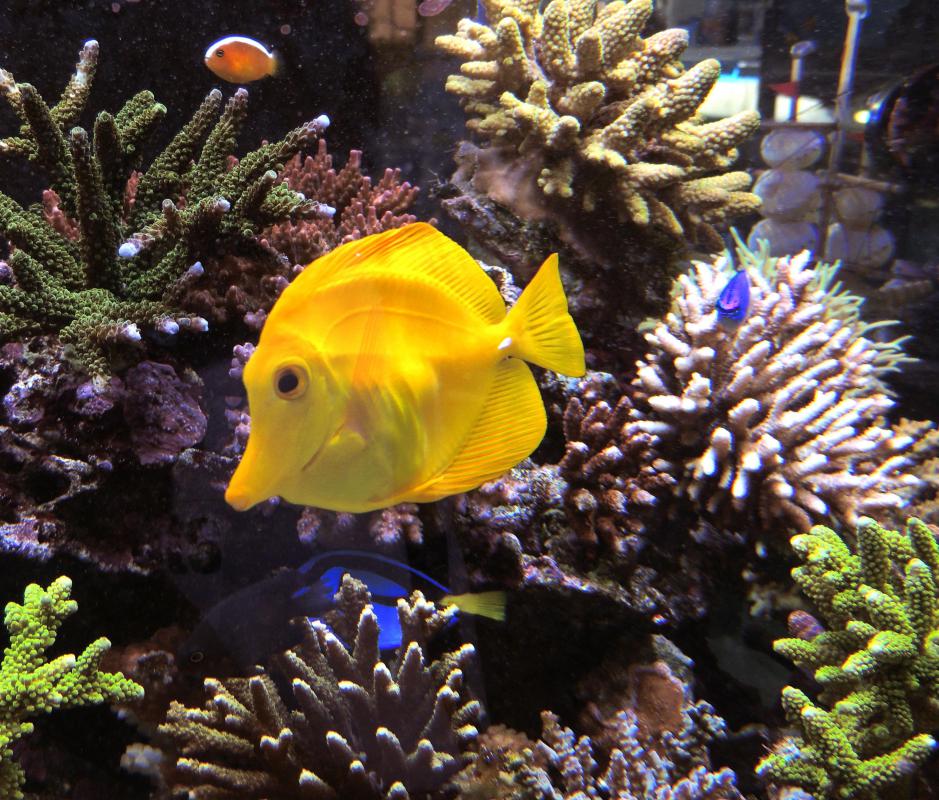
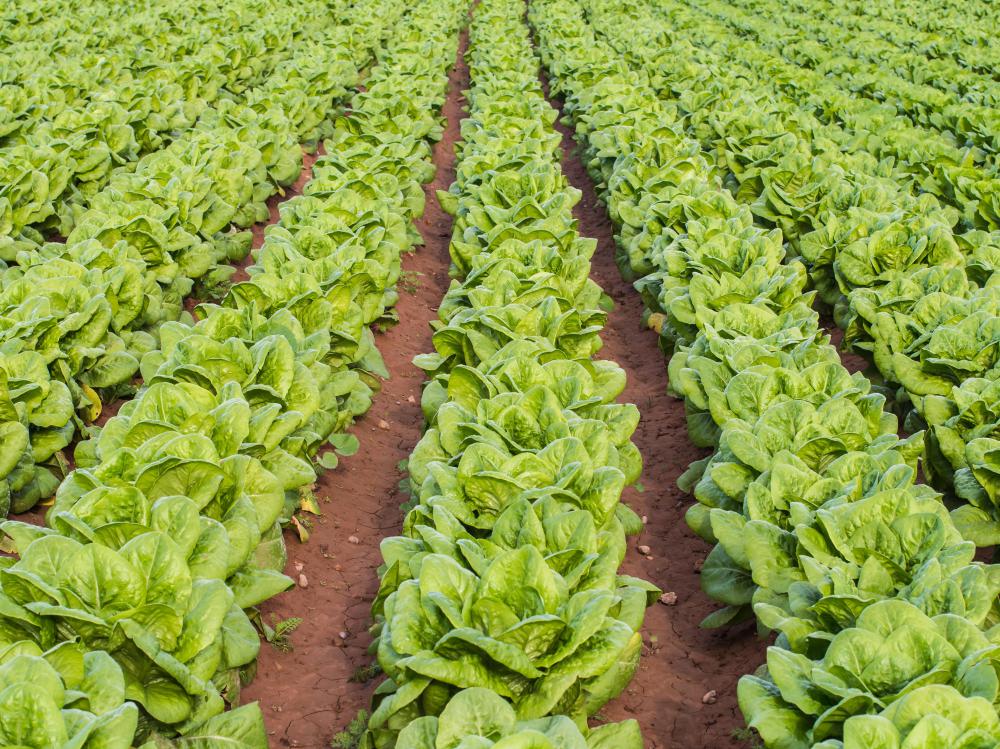
Respiration is not exclusive to organisms with lungs. For example, in most species of fish it occurs in gills, which allow the animals to extract oxygen from water. In amphibians, most gas exchange occurs across the skin; the lungs provide a means of controlling the body’s oxygen levels, by acting as a secondary source of oxygen. Plants produce oxygen via photosynthesis, and take in more through diffusion across their leaves. Regardless of the physical process, all of these organisms take in oxygen and excrete carbon dioxide, just as mammals do.
Cellular Respiration

The oxygen that is brought to the tissues via physiological respiration is used in all cells for the biochemical process of cellular respiration. This process, which is also referred to as oxidative metabolism, is a set of chemical reactions, many involving oxygen, that allow the body to convert certain molecules into usable energy. In animal and plant cells, the reactions occur that convert nutrients into an energy-rich molecule called adenosine triphosphate (ATP).
Oxygen is needed for cellular respiration because many oxidation-reduction reactions, also called redox reactions, occur throughout the respiration process. This gas is a powerful oxidizing agent, which means that, in chemical reactions, it can readily give its available electrons. This makes it very useful in reactions.
The reactions that occur are also referred to as catabolic, because they break large nutrient molecules into smaller ones. These molecules are sugars, which are derived from carbohydrates; fatty acids from dietary fat; and amino acids, derived from protein. Electrons are released when the nutrients are broken down, and the electrons are used in reactions that produce ATP. This energy-rich molecule is then used in cells to power almost all reactions that occur within them.
Anaerobic Cellular Respiration
In animals and plants, as well as many bacterial species, the type of cellular respiration that occurs is aerobic, which simply means that it uses oxygen. In some species of bacteria, respiration is anaerobic, which means it does not use oxygen. Instead, these organisms use molecules such as nitrate or sulfur as a substitute. Some have even evolved to the point where they can only live in oxygen-free environments.
AS FEATURED ON:
AS FEATURED ON:


-
![Respiration occurs in the gills in fish.]() By: wizdata_appleRespiration occurs in the gills in fish.
By: wizdata_appleRespiration occurs in the gills in fish. -
![Plants produce oxygen via photosynthesis.]() By: amadeoavPlants produce oxygen via photosynthesis.
By: amadeoavPlants produce oxygen via photosynthesis. -
![Respiration involves breathing in oxygen and breathing out carbon dioxide.]() By: arsdigitalRespiration involves breathing in oxygen and breathing out carbon dioxide.
By: arsdigitalRespiration involves breathing in oxygen and breathing out carbon dioxide. -
![Respiration is the process of converting cells of chemical energy into ATP.]() By: logos2012Respiration is the process of converting cells of chemical energy into ATP.
By: logos2012Respiration is the process of converting cells of chemical energy into ATP. -
![Alveoli of the lungs expand during inhalation, to take in the maximum amount of oxygen.]() By: snapgalleriaAlveoli of the lungs expand during inhalation, to take in the maximum amount of oxygen.
By: snapgalleriaAlveoli of the lungs expand during inhalation, to take in the maximum amount of oxygen.


Discussion Comments
respiration is the burning of a metabolic substance
to release energy.
I think respiration in insects is quite fascinating, especially earthworm respiration. The earthworm's outer skin is its respiratory organ and the reason they live in the earth is because they need to keep their skin moist for oxygen to enter!
@alisha Without oxygen, irreversible brain damage begins within the first 3-4 minutes. The reason for this is that respiration provides an adult 2 quarts of oxygen in blood, lungs and tissues which is adequate to sustain life for about four minutes.
My fifty-year-old classmate had a heart attack and her respiration stopped for 15 minutes. She was revived with CPR but brain death had already occurred and unfortunately we lost her. How long can we remain without oxygen before brain death occurs?
While much respiration is done aerobically, or with oxygen, many organisms also respire anaerobically, or without oxygen. Yeast respiration, for example, is anaerobic. Many anaerobically respiration organisms are, like yeast, prokaryotic, meaning they lack a cell nucleus. It should also be noted that anaerobic respiration is different from fermentation, although many anaerobes can perform both.
Post your comments