
At DelightedCooking, we're committed to delivering accurate, trustworthy information. Our expert-authored content is rigorously fact-checked and sourced from credible authorities. Discover how we uphold the highest standards in providing you with reliable knowledge.
What is Red Wine Vinegar?
 Mary McMahon
Mary McMahon
Mary McMahon
Red wine vinegar is vinegar made from essentially any variety of red wine. Many of the more expensive versions are made from specific types of wine, like merlot or pinot noir, though most of the vinegars available for sale are made from wine blends that might not be as appealing to drink. Vintners often set leftover and run-off wine aside for vinegar production as a way to make it useful, and people usually buy vinegar more for its general flavor than for the nuanced taste that wine is often famous for. In vinegar form, red wine is highly acetic, virtually calorie-free, and completely non-alcoholic. Cooks use it to add flavor and tang to salad dressings, sauces, and marinades, and it can also be used in pickling and preserving.
Popularity in Cooking

Cooks in many parts of the world keep both red and white wine vinegar as “staple” ingredients in their pantries. Red versions are used in a variety of different ways, but are perhaps most popular in vinaigrette-style salad dressings and in marinades for meat and vegetables. The vinegar has a distinctive “zip” and tang that can bring out the flavor of many different dishes.

Red wine vinegar can also act as a pickling agent, preserving foods while enhancing their overall taste. A vegetable picked in this as opposed to standard white vinegar will have a much more pronounced taste, for instance, and meats preserved this way often have a deeper, richer flavor. Cooks may also use the vinegar to deglaze pans when frying or roasting foods over high heat. Heat causes fats to stick to the bottom of skillets and roasting pans, and adding a splash of vinegar or other liquid can be a good way for cooks to keep things from burning.

Most people use the condiment for savory foods, but more adventurous cooks sometimes also use it in desserts to balance out the sweetness of baked goods and other confections. It can be drizzled on top of almost anything or boiled down into a more concentrated reduction that people can use like a syrup on sliced fruit, ice cream, and more.
Medicinal and Health Uses

Red wine vinegar may also have a number of health properties. Medical authorities in ancient cultures often prescribed the liquid for indigestion and used it as a salve for wounds and as a medication for a range of blood disorders or conditions. Modern experts don’t usually credit the vinegar with having these “cure-all” properties, but most agree that it can promote good health in many cases. It is a known antioxidant, for instance, and is very low in cholesterol. Most versions are actually capable of lowering a person’s blood cholesterol, too, thanks to flavanoids, naturally occurring chemicals that scientists believe can promote health and wellness.
How It’s Made

Making red wine vinegar is usually very easy, and many people believe that the first examples were actually made by accident. In most cases, red wine will turn to vinegar on its own if exposed to oxygen. Leaving a bottle open long enough will produce a rudimentary version, though most manufacturers use a more streamlined process that gets more consistent and controlled results.

When wine comes into contact with the oxygen in the air, the alcohol molecules ferment and turn into acetic acid. This takes a considerable amount of time, so cooks and wine connoisseurs who leave a bottle uncorked on a counter for a week or so don’t usually need to worry. Fermentation is generally slow, and often takes at least a month to get going. The end result is a red liquid that looks a lot like wine, but tastes very sour or bitter as a result of the alcohol’s conversion to acid.
Fermentation Process
Fermentation is a natural process that happens when bacteria in the air interact with an energy source, in this case the sugars found in alcohol. Normal air contains a lot of different microscopic bacteria, including acetic acid bacteria. When these bacteria come into contact with alcohol, they eat and digest the natural sugars and convert them to acid. This is how wine vinegar contains virtually no calories — it has no sugar — and also how it is non-alcoholic.
Commercial manufacturers don’t usually want to wait for fermentation to happen on its own, and as a result have come up with a couple of different ways to streamline the process and speed it up. Adding concentrated acetic acid bacteria is one option; putting the wine in a barrel or vat with a controlled flow of oxygen is another. Manufacturers will sometimes also agitate or constantly mix the wine to be fermented, which speeds up oxygenation.
Keeping things controlled usually leads to more consistent and predictable results, which people in the business of selling vinegar often find desirable. It’s important for a certain brand to have more or less the same product from place to place and year to year, for instance, and major distributors usually need to be able to consistently produce a certain volume. Rapidly fermenting large quantities of wine is one of the best ways to be able to predict in advance when things will be done and how much will be available.
Importance of Aging
Red wine vinegar is a lot like red wine in that it is usually better the longer it ages. Aging allows different flavors to develop and can improve the overall taste, making it more mellow and less acidic. Many manufacturers age wine vinegar in oak barrels, though it can also be stored in metal, glass, or even plastic. Some people add in things like spices or herbs to enhance the vinegar’s flavor, but not always. A lot depends on the individual manufacturer, as well as how the product is intended to be used. Vinegar destined to be sort of an all-purpose addition to cooking isn’t usually aged with much care, whereas a bottle made by a more “designer” wine label may require a bit more care.
Shelf Life
In most cases, red wine vinegar doesn’t ever really go bad, and it will usually retain its freshness for at least a year. Cooks can comfortably leave an opened bottle in their pantries or cupboards without worrying about spoilage or flavor deterioration. Refrigeration isn’t required, though most experts recommend keeping the condiment in a relatively cool, dry environment. Bottles that are left in the sunlight may grow mold, and freezing the liquid can make its flavor fade.
Mary McMahon
Ever since she began contributing to the site several years ago, Mary has embraced the exciting challenge of being a DelightedCooking researcher and writer. Mary has a liberal arts degree from Goddard College and spends her free time reading, cooking, and exploring the great outdoors.
Learn more...
Mary McMahon
Ever since she began contributing to the site several years ago, Mary has embraced the exciting challenge of being a DelightedCooking researcher and writer. Mary has a liberal arts degree from Goddard College and spends her free time reading, cooking, and exploring the great outdoors.
Learn more...AS FEATURED ON:
AS FEATURED ON:


-
![A glass container of red wine vinegar.]() By: Roman IvaschenkoA glass container of red wine vinegar.
By: Roman IvaschenkoA glass container of red wine vinegar. -
![Quality red wine vinegar is aged in wooden barrels.]() By: Brad PictQuality red wine vinegar is aged in wooden barrels.
By: Brad PictQuality red wine vinegar is aged in wooden barrels. -
![Red wine vinegar can be used for cooking in a variety of ways.]() By: quaysideRed wine vinegar can be used for cooking in a variety of ways.
By: quaysideRed wine vinegar can be used for cooking in a variety of ways. -
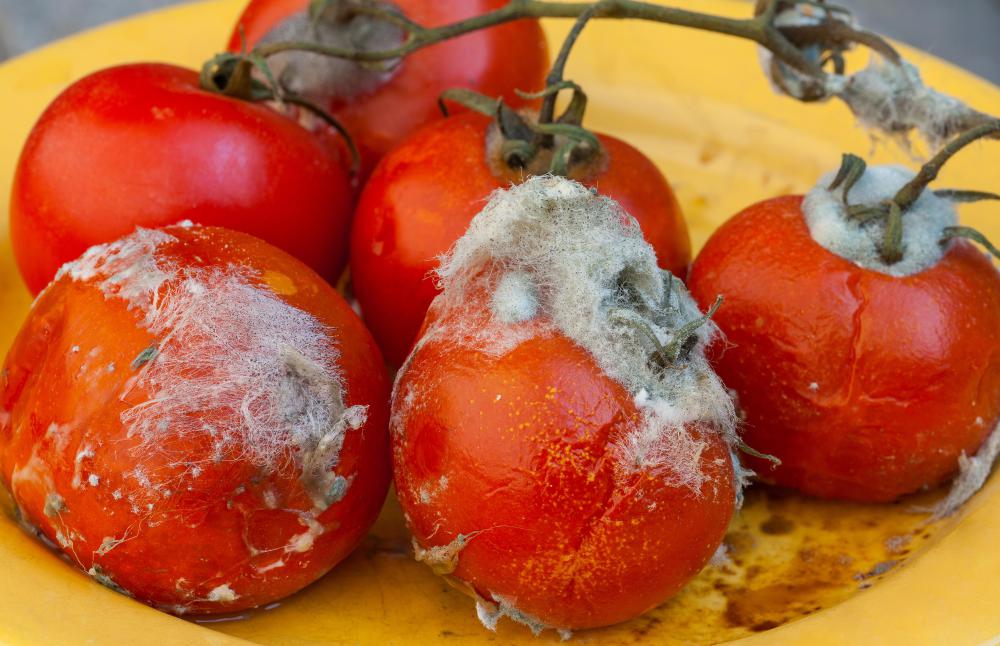
![A solution of red wine vinegar and water sprayed on produce helps prevent the growth of mold.]() By: Photographee.euA solution of red wine vinegar and water sprayed on produce helps prevent the growth of mold.
By: Photographee.euA solution of red wine vinegar and water sprayed on produce helps prevent the growth of mold. -
![Red wine vinegar is used to make tangy salad dressings.]() By: valery121283Red wine vinegar is used to make tangy salad dressings.
By: valery121283Red wine vinegar is used to make tangy salad dressings. -
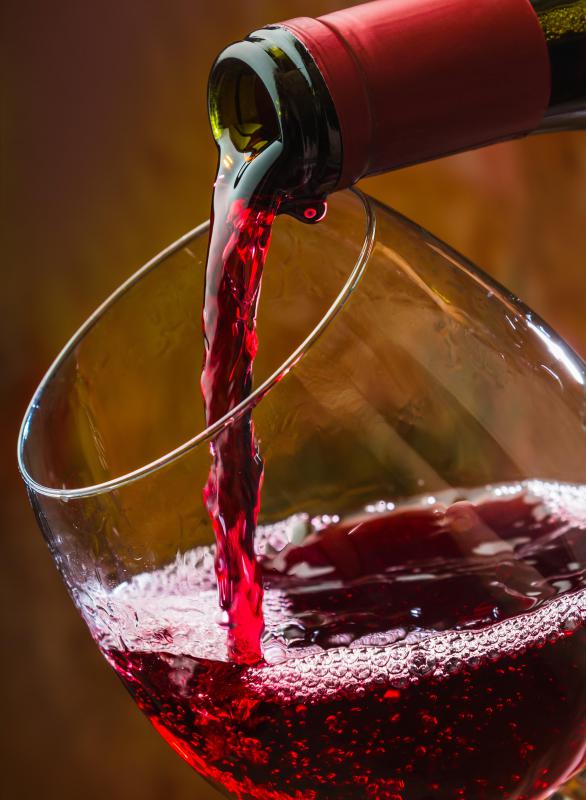
![Red wine vinegar can be made from any variety of red wine.]() By: Oleg ZhukovRed wine vinegar can be made from any variety of red wine.
By: Oleg ZhukovRed wine vinegar can be made from any variety of red wine.



Discussion Comments
Does Red Wine vinegar contain any traces of alcohol? The label certainly does not say so.
Just went to Vons and was going to get a bottle of red wine vinegar until I saw a sign.
The sign said "Red Wine Vinegar and Balsamic Vinegar on these shelves contain lead known to cause cancer"
Can anyone explain this?
I love the red wine vinegar but I just did not know that it has lead in it. Were does that come from? Thank you, Michael.
please can you tell me, is red wine vinegar safe for diabetics and high blood pressure. Thank you. --Jean
How long is "too long" for meat to marinade in red wine vinegar?
Vinegar doesn't expire. Vinegar is a preservative. Depending on how the vinegar was made and especially aged it can be mildly hot. this tames with age. Standard mustard is aged for several months because fresh mustard is very hot. Wine vinegars mellow with age.
I used red wine vinegar in a salad and was hot. Does that mean it has expired?
What about the expiry date/period of red wine vinegar?
Post your comments