
At WiseGEEK, we're committed to delivering accurate, trustworthy information. Our expert-authored content is rigorously fact-checked and sourced from credible authorities. Discover how we uphold the highest standards in providing you with reliable knowledge.
What is Recombinant DNA Technology?
Recombinant DNA technology is a technology that allows DNA to be produced via artificial means. The procedure has been used to change DNA in living organisms and may have even more practical uses in the future. It is an area of medical science that is just beginning to be researched in a concerted effort.
This technology works by taking DNA from two different sources and combining it into a single molecule. That alone, however, will not do much. It only becomes useful when that artificially-created DNA is reproduced, in a process known as DNA cloning.

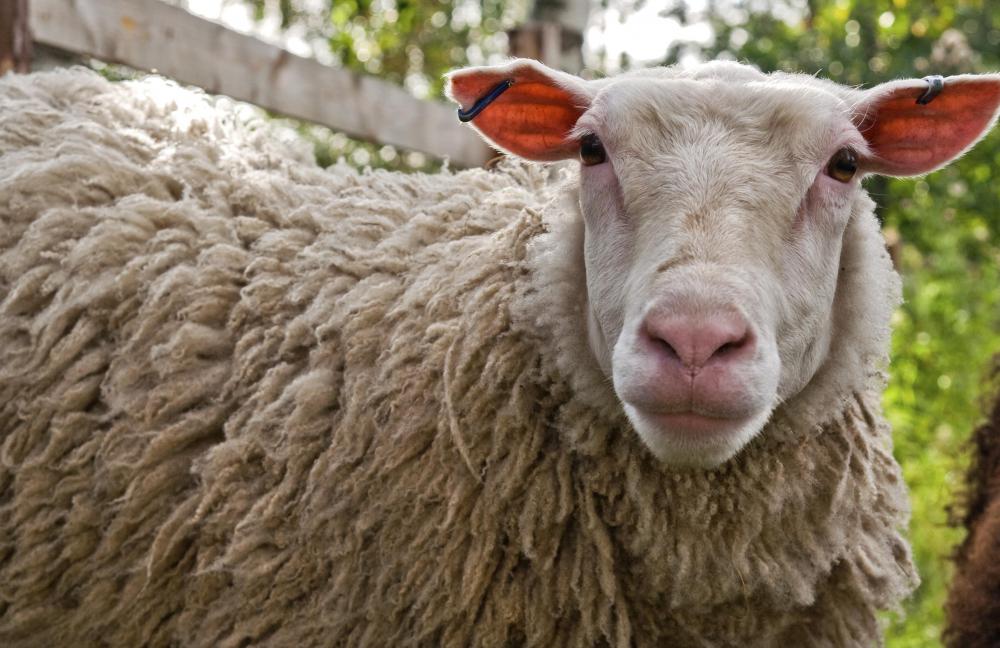
There are two main types of cloning that recombinant DNA technology is used for: therapeutic cloning and reproductive cloning. Most people are familiar with reproductive cloning, which will produce an organism with the exact genetic information of one that already exists. This has already been done with some animals. Dolly, a sheep, was the first mammal to ever be reproduced as an exact genetic copy. Therapeutic cloning is used to reproduce certain tissues or organs, not an entire organism.

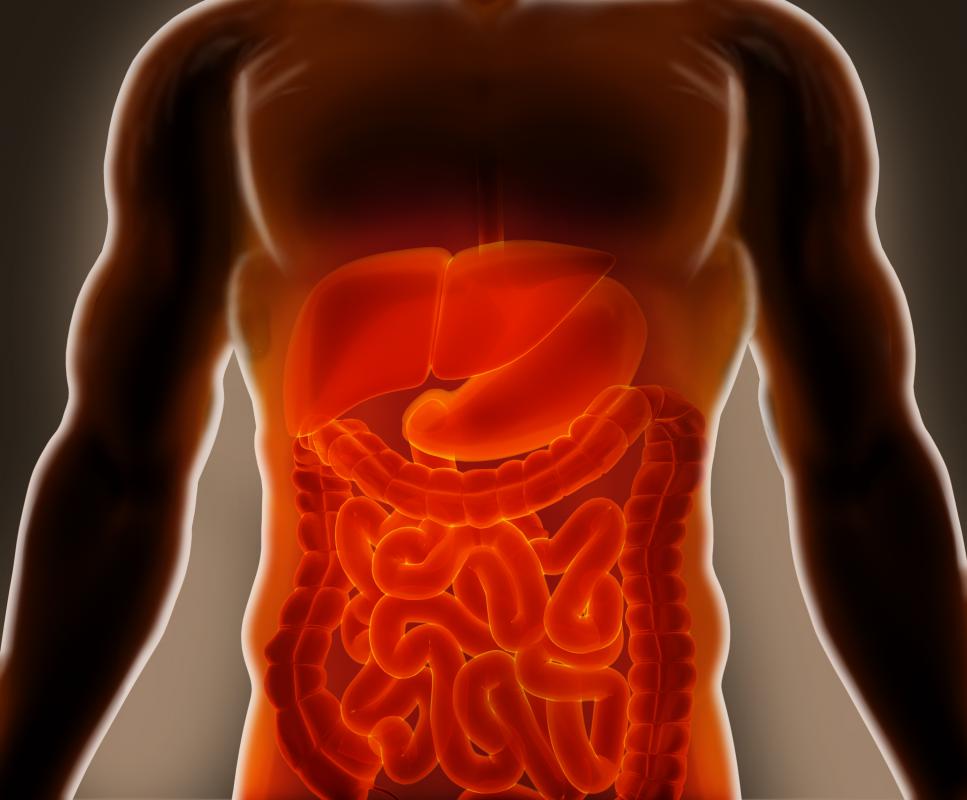
Using recombinant DNA technology for therapeutic cloning purposes holds a great deal of potential benefit. For example, a cancerous organ could be replaced with a new one made from a patient's own DNA. This would likely help reduce the rejection of organs that sometimes happens when a tissue transplant is performed. If a heart is damaged, it could even be replicated using this technology. While these applications may be years away from practical use, they are possibilities.

In addition, there are a number of other uses for recombinant DNA technology. It may help make crops more resistant to heat and drought, and it may even be used to create plants with genes that repel harmful insects. In such cases, it would be like the plant had a built-in insecticide or repellent, reducing the need for humans to handle harmful chemicals.

Currently, technology that involves DNA has attracted headlines when it has been used on animals, both to create identical copies of the same animal or to create entirely new species. One of those new species is the GloFish™, a type of fish that seems to glow with a bright fluorescent coloring. While they have become a popular aquarium fish, they have other uses as well, and scientists hope to use them to help detect polluted waterways, for example.

Recombinant DNA technology is not accepted by some people, especially social conservatives who feel the technology is a slippery slope to devaluing the uniqueness of life. Further, because some DNA work involves the use and destruction of embryos, it attracts even more controversy. Still, proponents of the technology say the ultimate goal is to benefit human life, not destroy it.
AS FEATURED ON:
AS FEATURED ON:









-
![DNA.]() By: korni007DNA.
By: korni007DNA. -
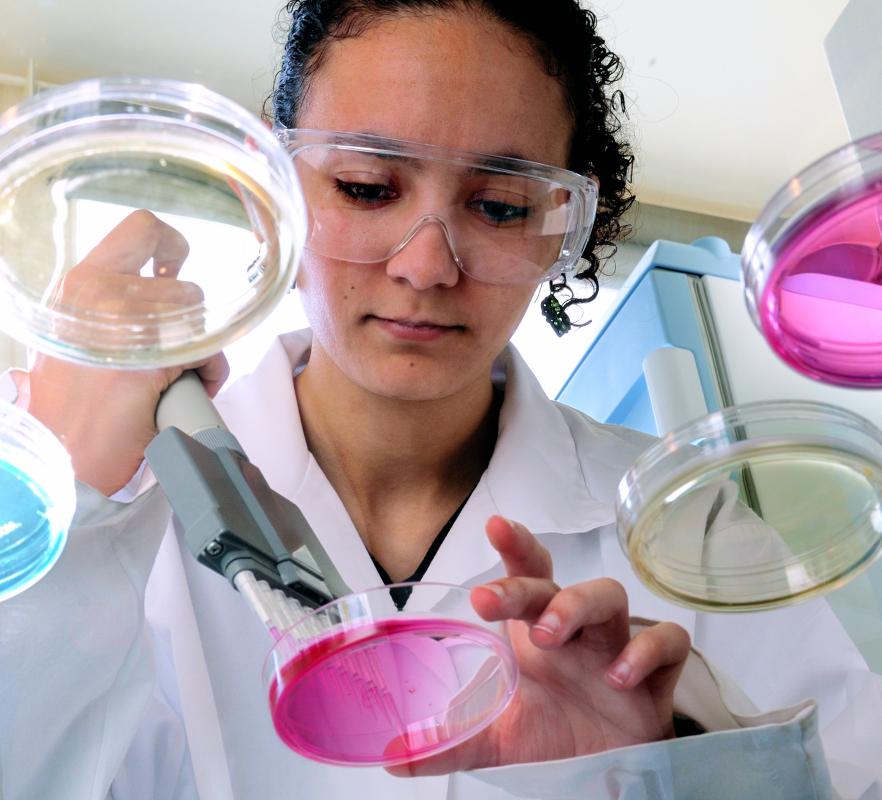
![A scientist works in a genetics lab.]() By: KaYannA scientist works in a genetics lab.
By: KaYannA scientist works in a genetics lab. -
![Recombinant DNA technology was used for the reproductive cloning of Dolly the sheep.]() By: mato020Recombinant DNA technology was used for the reproductive cloning of Dolly the sheep.
By: mato020Recombinant DNA technology was used for the reproductive cloning of Dolly the sheep. -
![Recombinant DNA technology could be used to help crops resist extreme weather conditions.]() By: Željko RadojkoRecombinant DNA technology could be used to help crops resist extreme weather conditions.
By: Željko RadojkoRecombinant DNA technology could be used to help crops resist extreme weather conditions. -
![Recombinant DNA technology can be used for the therapeutic cloning of essential organs.]() By: ancroftRecombinant DNA technology can be used for the therapeutic cloning of essential organs.
By: ancroftRecombinant DNA technology can be used for the therapeutic cloning of essential organs. -
![The GloFish was created by giving zebrafish fluorescent proteins found in jellyfish.]() By: pinguino kThe GloFish was created by giving zebrafish fluorescent proteins found in jellyfish.
By: pinguino kThe GloFish was created by giving zebrafish fluorescent proteins found in jellyfish.



Discussion Comments
We are in a world where many things happen. Things like this should be highly regulated to avoid destroying the very thing which we want to protect.
@hangugeo112
I think that this sounds dangerous. If someone were to resurrect various dinosaurs in an environment that was not controlled, the animals could wreak havoc. In regards to forming new life, I think this would present many unique difficulties that go beyond basic life structure.
I think that we will be able to use this technology to resurrect extinct species and to prolong human life. If we can truly understand the building blocks of life, perhaps we can design life for ourselves, maybe even making planets habitable one day. We may be able to make plants and animals which can withstand harsh conditions and flourish.
@AngelChaser
It seems like it could be a very groundbreaking study, but yes, I agree, if it were to fall into the wrong hands, it could be devastating. This is the risk that is taken with all innovation, though, including research into nuclear science which spawned the atom bomb. Human advancement seems to always be a double-edged sword, benefitting some and possibly harming others.
I agree that recombinant DNA technology has a lot of potentially beneficial uses, such as positive effects on crops. However there are a lot of ethical issues that need to be taken into consideration too, such as the uniqueness of life, as the article mentioned. It will be interesting to see how the scientific community deals with these questions. What is you all's opinion on the matter?
Post your comments