
At DelightedCooking, we're committed to delivering accurate, trustworthy information. Our expert-authored content is rigorously fact-checked and sourced from credible authorities. Discover how we uphold the highest standards in providing you with reliable knowledge.
What is Rapeseed?
 Mary McMahon
Mary McMahon
Mary McMahon
Rapeseed is the seed of the rape or rapeseed plant, a member of the mustard family. Unfortunate associations with the name of this plant aside, the plant is actually a major crop in many nations of the world, with the seeds being one of the principal components of the crop, although some cultures also eat the stalks, leaves, and flowers. For those who find the common name “rape” a bit offputting, this plant is also known as oilseed, rapa, rapaseed, or Brassica napus, more formally.
As the name “oilseed” suggests, the seeds of this plant are very high in oil. They can be ground into nutritious meal used in animal fodder, or pressed for the oil, which can be used for human food or in the production of biodiesel. The greens are also popular in Asia, where they are eaten like other members of the Brassica genus, in a variety of dishes. Like other Brassica species, the greens have a slightly peppery bite.

There are two main types of rapeseed oil. Industrial oil is the sort used to produce fuels, lubricants, and so forth. Canola is a special cultivar of the plant, used to produce food-grade oil. While canola and rapeseed are technically the same species, the cultivars have some marked genetic differences. Most importantly, canola, a contraction of Canadian Oilseed, Low-Acid, is low in erucic acid, a substance that is toxic to humans in large amounts.

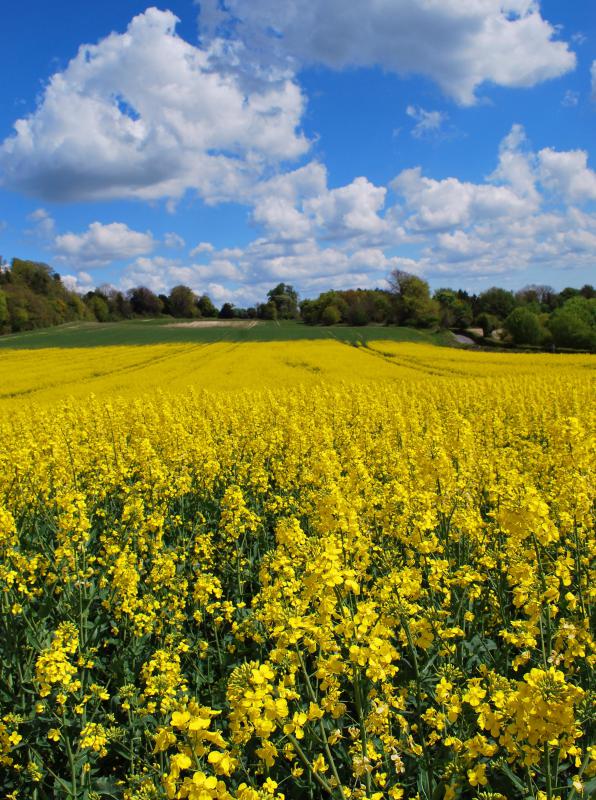
The United States, Canada, India, China, Australia, and European Union all grow rapeseed, and visitors to farming regions in these areas of the world often note the fields of tall stalks and bright yellow flowers in the fall and winter. Many countries use genetically modified versions of the plant that have been specially designed to resist herbicides, with the goal of making farming easier. Some people have protested this, arguing that herbicide-resistant crops and genetic modification of crops have serious ethical implications which are not being addressed by the companies which develop them.

Rapeseed oil has both omega-6 and omega-3 fatty acids, leading some people to suggest that it is a very healthy oil. Studies have also linked it with some health problems, however, which would indicate that a closer analysis of the oil for human consumption may be in order. Because the oil is often heavily treated so that it will not go rancid, some of the health benefits may be moot, thanks to the high temperatures and chemicals used in processing.
The name of the plant derived from the Latin rapum, which means “turnip,” and it has been used since the 14th century. In the other sense of the word, “rape” is derived from rapere, “to take by force,” and it dates to 1481.
Mary McMahon
Ever since she began contributing to the site several years ago, Mary has embraced the exciting challenge of being a DelightedCooking researcher and writer. Mary has a liberal arts degree from Goddard College and spends her free time reading, cooking, and exploring the great outdoors.
Learn more...
Mary McMahon
Ever since she began contributing to the site several years ago, Mary has embraced the exciting challenge of being a DelightedCooking researcher and writer. Mary has a liberal arts degree from Goddard College and spends her free time reading, cooking, and exploring the great outdoors.
Learn more...AS FEATURED ON:
AS FEATURED ON:


-
![Large field of rapeseed.]()
Large field of rapeseed. -
![Sprig of rapeseed.]()
Sprig of rapeseed. -
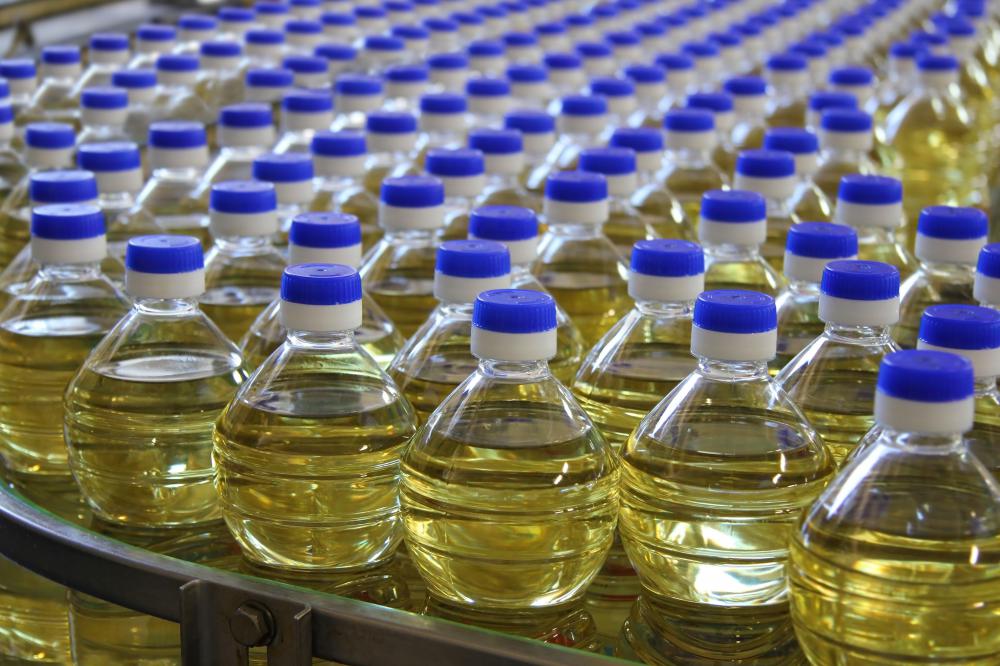
![Rapeseed oil is more commonly known as canola oil.]() By: danr13Rapeseed oil is more commonly known as canola oil.
By: danr13Rapeseed oil is more commonly known as canola oil. -
![The type of canola oil that's popularly consumed today was first developed in Canada in the 1970s.]() By: branexThe type of canola oil that's popularly consumed today was first developed in Canada in the 1970s.
By: branexThe type of canola oil that's popularly consumed today was first developed in Canada in the 1970s.


Discussion Comments
"Canola is a special cultivar of the plant, used to produce food-grade oil. "
But it has to be heated to a temperature exceeding 600 degrees F. So what exactly is left of anything "healthy" it may have contained?
It is also the first GMO redesigned by Monsanto with Roundup. So you need to know if it is natural or GMO. Study carefully before consuming.
This past spring while touring the countryside we came across a 'yellow field' of something I had never seen on our farmlands here in eastern NC. Well 'now I know.' I did some searching because a chat room friend in Canada spoke of 'Canola' and also rapeseed. The 'wonders of the internet.'
If natural rapeseed oil is considered mildly toxic to humans because it contains erucic acid, then why is almost everything in the health-food stores contain it? It's no better than soy oil.
It also is linked to scleroderma.
It could appear that our current, and very serious, honey bee problems may well be the result of genetically modified food crops.
Natural rapeseed oil is considered mildly toxic to humans because it contains erucic acid. It is fine as a food additive in smaller doses. Rapeseed produces a large amount of nectar. From the nectar, honeybees produce a lightly colored, peppery honey. It has to be extracted immediately after the processing is complete because it quickly granulates. The honey is usually blended with milder honeys for table use.
Some more facts on rapeseed: In India, it is grown on 13% of their cropped land. It was the third leading source of vegetable world in the world in 2000, after palm and soy. Rapeseed is also the world’s second leading source of protein meals. In Europe, it is primarily cultivated for animal feed because it has a very high lipidic content.
Post your comments