
At WiseGEEK, we're committed to delivering accurate, trustworthy information. Our expert-authored content is rigorously fact-checked and sourced from credible authorities. Discover how we uphold the highest standards in providing you with reliable knowledge.
What is Ramie?
 Mary McMahon
Mary McMahon
Mary McMahon
Ramie is a flowering plant that is native to Asia. It is harvested and processed to yield strong fibers of the same name, which are used in the production of textiles, twine, upholstery, filters, and sacking. Like flax, jute, and hemp, ramie is considered a bast fiber crop, meaning that the usable portion of the plant is found in its connective tissue structures. The plant is widely cultivated in several Asian nations, which export it around the world.
The scientific name for the plant is Boehmeria nivea, and it is also sometimes called Chinese Grass. It grows in the form of stalks with heart shaped leaves that sprout up from an extensive underground root system. Ramie is in the nettle family, and it has the characteristic small silvery hairs associated with nettles, although the hairs do not sting. The stalk can be harvested up to six times each year in favorable cultivating conditions, although three to four crops annually are much more common.

The plants must be extensively processed to yield ramie fiber. A series of beatings, washings, and chemical treatments extracts the usable part of the plant and de-gums the fiber so that it will be usable. Once processed, ramie can be spun into thread or yarn, and it is sometimes also blended with other textile materials to make it more versatile.
Pure ramie is very strong, resistant to mold and bacteria, lustrous, and it holds its shape very well. However, the fibers are also stiff, not terribly elastic, and sometimes difficult to work with because they can be very brittle. In addition, ramie does not take dye very well. All of these shortcomings make it more expensive than similar plant fibers, such as linen. Although the material has been used in the production of textiles for thousands of years, many producers prefer to produce it in blends rather than using it plain.

Like linen and other textiles made from woody fiber, ramie requires special care. Ideally, the fabric should be hand washed cold and not wrung or heavily pressed before being laid flat to dry. Once dried, clothing should be stored flat and not be sharply creased or folded. In some cases, ramie can also be dry cleaned or machine washed on a gentle setting, and the care directions on the fabric should always be carefully followed to avoid damaging it.
Mary McMahon
Ever since she began contributing to the site several years ago, Mary has embraced the exciting challenge of being a WiseGEEK researcher and writer. Mary has a liberal arts degree from Goddard College and spends her free time reading, cooking, and exploring the great outdoors.
Learn more...
Mary McMahon
Ever since she began contributing to the site several years ago, Mary has embraced the exciting challenge of being a WiseGEEK researcher and writer. Mary has a liberal arts degree from Goddard College and spends her free time reading, cooking, and exploring the great outdoors.
Learn more...AS FEATURED ON:
AS FEATURED ON:









-
![Ramie, or Chinese grass, has heart shaped leaves.]() By: emerRamie, or Chinese grass, has heart shaped leaves.
By: emerRamie, or Chinese grass, has heart shaped leaves. -
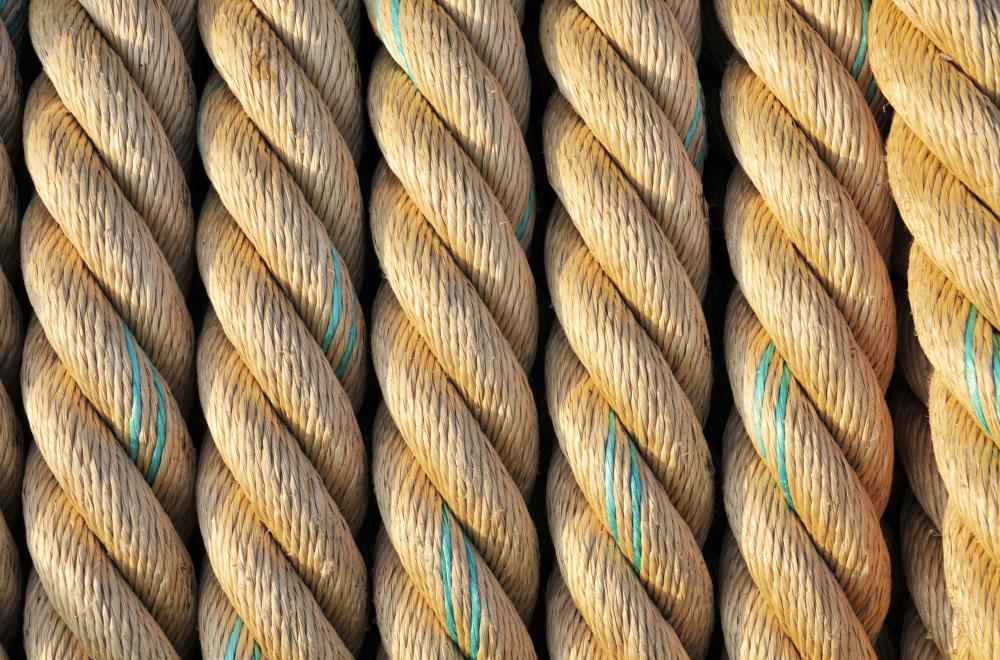
![After processing, ramie is often used to produce strong rope.]() By: JovanAfter processing, ramie is often used to produce strong rope.
By: JovanAfter processing, ramie is often used to produce strong rope. -
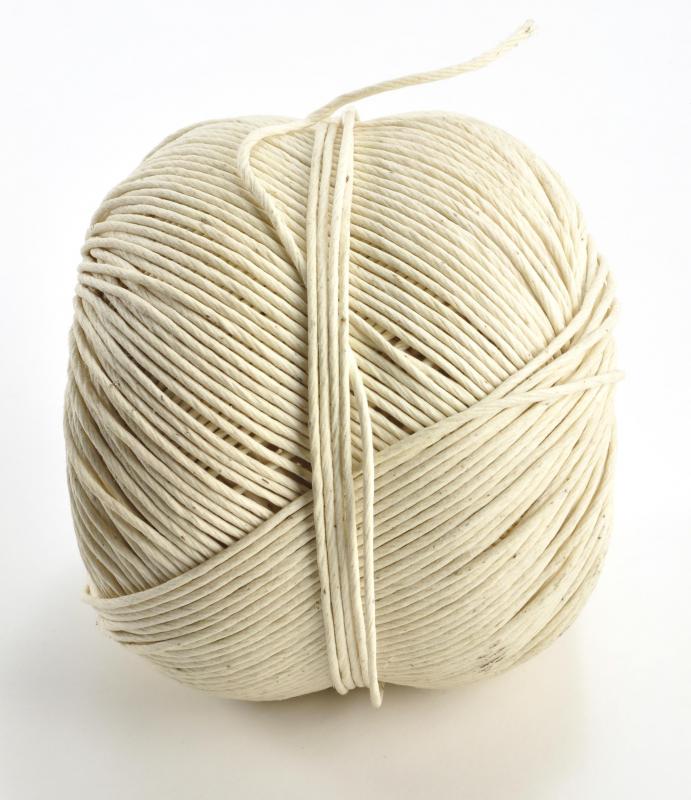
![Ramie is used in the production of twine.]() By: img85hRamie is used in the production of twine.
By: img85hRamie is used in the production of twine. -
![Ramie fabric should be hand washed in cold water.]() By: LoloStockRamie fabric should be hand washed in cold water.
By: LoloStockRamie fabric should be hand washed in cold water.


Discussion Comments
The ramie shirt probably wrinkled because the fibers are so brittle. From all the processing that ramie has to go through, it doesn't seem like a very environmentally friendly fabric. However, growing cotton is very water-intensive and also uses a lot of chemicals to create the fabric. So, who knows which fabric is actually worse for the environment.
I have a beautiful white 100 percent ramie skirt, but I am considering giving it away because I just can't stand how it wrinkles. I iron it before I wear it, but in seconds, it is all wrinkled again. I just never feel neat when I have it on. Would it help to have it starched?
I bought a white "linen" skirt. Or so I thought until I came to wash it and read the label. I have never heard of ramie. It has been interesting finding out that the Egyptians used the cloth for covering mummies. thank you for the information.
The way that ramie can be harvested multiple times in one year reminds me of hemp, another natural fiber with a much worse reputation.
Many people have a negative attitude towards hemp because it is from the same family as marijuana, however the variety used for hemp does not have the same ability to give a person a "high"; on the other hand, it can be used to make rope, fabric, even things like building supplies, and can be harvested multiple times a year.
I have owned clothing with some ramie added, and always thought it was another form of synthetic fiber. It's nice to know that it is a natural fiber source, even though it does need to be processed somewhat before being used.
Post your comments