
At TheHealthBoard, we're committed to delivering accurate, trustworthy information. Our expert-authored content is rigorously fact-checked and sourced from credible authorities. Discover how we uphold the highest standards in providing you with reliable knowledge.
What Is Pyoderma Faciale?
Pyoderma faciale is a recurrent skin condition characterized by bumps and inflammation. Commonly known as rosacea or rosacea fulminans, pyoderma faciale is incurable. Treatment is generally multi-faceted and centered on symptom management. In addition to prescription medication, individuals are often encouraged to be mindful of situations or substances that may trigger symptom flares.
Rosacea is a condition that is generally diagnosed by reviewing a patient's medical history and comparing it with his or her symptoms. Without an established diagnostic or laboratory test for rosacea, a diagnosis is confirmed using a process of elimination. Taken as a whole, rosacea symptoms are generally determined to be cyclic and progressively worsen without treatment.

There is no definitive, known cause for rosacea fulminans. Individuals with rosacea often describe how their symptoms flare following specific situations, such as consuming certain foods or prolonged exposure to cold temperatures. Research about the causes of rosacea are ongoing, however, findings suggest there may be environmental and genetic elements that contribute to pyoderma faciale development. Individuals with fair complexions and familial history of pyoderma faciale are considered at greatest risk for becoming symptomatic.

Rosacea symptoms are cyclic, meaning they come and go. Individuals are sometimes misdiagnosed as having moderate to severe acne, when they’re actually experiencing cystic papules associated with rosacea. It is not uncommon for persistent irritation to produce mild acne symptoms, flushing, and dryness. With time, individuals with pyoderma faciale experience increased skin sensitivity, which can significantly impact their self-esteem and quality of life.

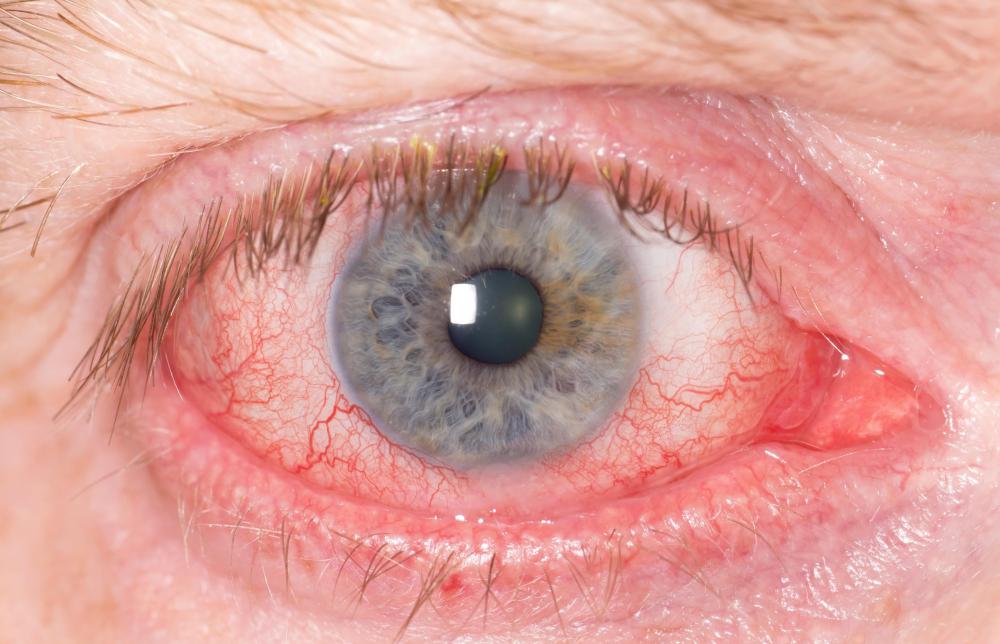
In some cases, irritation and dryness may progress to affect the eyes, a condition known as ocular rosacea. Dryness and irritation of the eyelid can cause the affected eye to adopt a bloodshot appearance. Sometimes impacting one’s vision, symptoms of ocular rosacea may be treated with over-the-counter (OTC) eye drops to alleviate dryness. Severe symptoms may require more extensive treatment, as may be provided by an ophthalmologist.

It is not uncommon for some individuals with pyoderma faciale to develop seborrheic dermatitis. Often appearing in and around the oil glands, seborrheic dermatitis causes flaky and yellowing, scaly skin. Like pyoderma faciale, there is no cure for seborrheic dermatitis. Treatment is centered on managing symptoms and preventing complications with medication.

Rosacea symptoms are generally controlled with oral and topical medications over the long term. Lifestyle changes, such as altering one’s diet or limiting sun exposure, may also be recommended to prevent symptom flares. Severe pyoderma faciale cases can sometimes necessitate surgery for cosmetic reasons.
AS FEATURED ON:
AS FEATURED ON:


-
![Pyroderma faciale may cause dryness and irritation in the eyes.]() By: JGadePyroderma faciale may cause dryness and irritation in the eyes.
By: JGadePyroderma faciale may cause dryness and irritation in the eyes. -
![Excessive consumption of alcohol may cause rosacea flare-ups.]() By: BlueSkyImagesExcessive consumption of alcohol may cause rosacea flare-ups.
By: BlueSkyImagesExcessive consumption of alcohol may cause rosacea flare-ups. -
![In some cases, rosacea can affect a patient's eyes and cause vision disturbances.]() By: FotolEdharIn some cases, rosacea can affect a patient's eyes and cause vision disturbances.
By: FotolEdharIn some cases, rosacea can affect a patient's eyes and cause vision disturbances. -
![Rosacea can be improved by drinking 10-16 glasses of water per day.]() By: vgstudioRosacea can be improved by drinking 10-16 glasses of water per day.
By: vgstudioRosacea can be improved by drinking 10-16 glasses of water per day. -
![Limiting one's sun exposure may help reduce flareups of rosacea symptoms.]() By: Cicak KobengLimiting one's sun exposure may help reduce flareups of rosacea symptoms.
By: Cicak KobengLimiting one's sun exposure may help reduce flareups of rosacea symptoms. -
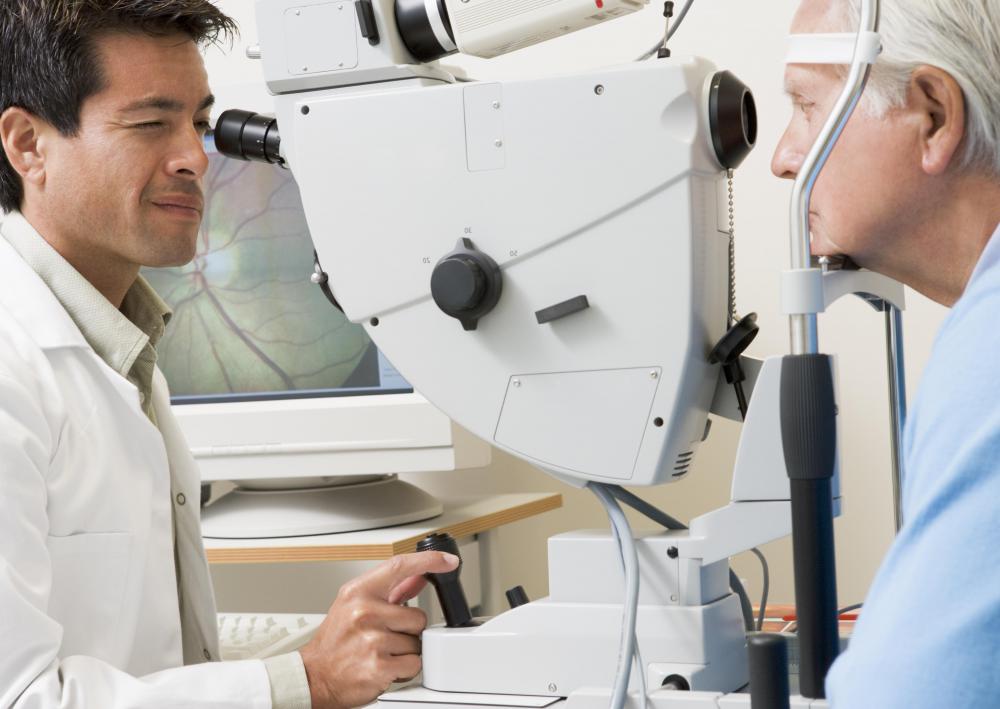
![An ophthalmologist may diagnose and treat pyoderma faciale that affects the eyes.]() By: Monkey BusinessAn ophthalmologist may diagnose and treat pyoderma faciale that affects the eyes.
By: Monkey BusinessAn ophthalmologist may diagnose and treat pyoderma faciale that affects the eyes. -
![Severe cases of pyoderma faciale may require extensive treatment provided by an ophthalmologist.]() By: Peter Orsaeo SrSevere cases of pyoderma faciale may require extensive treatment provided by an ophthalmologist.
By: Peter Orsaeo SrSevere cases of pyoderma faciale may require extensive treatment provided by an ophthalmologist. -
![Rosacea symptoms are cyclic.]() By: robert mobleyRosacea symptoms are cyclic.
By: robert mobleyRosacea symptoms are cyclic.





Discussion Comments
Well, my pyoderma faciale started in my early 20s as well, but is related to cold weather. I used to live in a place where winter temperature is minus 10-15 Celsius as a normal daytime. I just thought that this is an extension, or "special present" of my eczema that is related to a very long list of food intolerances (a list that I don't follow anyway. My immune system needs a bit of exercise too and so far, this works).
So this skin "present" always came in autumn when temperatures dropped and started to leave in spring.
By accident I moved to a place where it's rubbish weather, but not under 0 Celsius (no snow). And my, oh my – my skin condition has not yet returned!
I have extensive, deep scarring on my cheeks and some "holes" all over my face, and my skin is not the same age as me due to all the stuff we put on it.
But yeah, I have found a sort of remedy. I hope it holds.
Now winters have been going colder and colder every year, and it's kind of hard to explain to "normal people" why it matters so much if temperature dropped under zero or not. But it's just nice to not have the whole face hurting every time you try to smile just a little bit, or blink your eyes. I hope you all find your little trick.
I have suffered with this for over a decade - started in my mid-20s, and bizarrely when I was pregnant but didn't know it at that time. It has been diagnosed as herpes and impetigo until I finally found a GP who knew what he was talking about!
I typically get one or twi breakouts a year and I believe they are both hormone and stress related. I have currently just completed an IVF cycle and have had four breakouts throughout (fourth one current and a desperate call just made to the GP)!
It is always on my chin, always appears within hours, always very painful, always unsightly and always confidence denting. I hate it!
I have been on Tetracycline in the past but that doesn't mix with baby making. I now manage my breakouts with antibiotics and daily use of Skinoren (Azelaic Acid) cream which doesn't always stop it. Good luck, folks. It's a very, very unpleasant condition.
@burcinc-- It's not a coincidence. This acne type mainly affects women and generally between the ages of twenty and forty.
I've always wondered about this too and also if pyoderma faciale could possibly be caused by hormones? There is clearly something in common that all women have which puts them at risk for developing this condition.
Has anyone noticed any patterns with their pyoderma faciale cyst breakouts and hormonal situation, like menstrual times and such?
I know a friend of mine who had a hormonal imbalance and was taking medications for it developed pyoderma faciale out of the blue as well. But I guess we won't know until more research is done on this and studies show a proven link between the two.
@burcinc-- Yea, that's what happens. Has your breakout cycle ended yet?
I started having pyoderma faciale breakouts in my 20s. Now I'm in my late 30s. I generally have a breakout every two to three years for 1-2 months depending on my stress levels. I've noticed that my breakouts always coincide with emotionally hard and stressful times.
I've used the medication you mentioned on and off as well. Unfortunately, I have a lot of side effects from it so even though it does help, I'm unable to take it for a long period of time. It makes me unbelievably sensitive to sunlight.
I have pyoderma faciale and my first breakout happened about three months ago and literally overnight. I did not even have any types of acne before this and one morning I woke up with numerous red bumps on my face which developed nodules over the next weeks. I was so shocked that I avoided going to the doctor for two weeks and literally hid in my house hoping it would go away.
It was diagnosed as pyoderma faciale and I'm currently on Accutane (Isotretinoin) for it. I've been trying to learn more about this condition since my diagnosis and I'm particularly interested in finding out how this could have happened to me overnight. The only kind of problem that could lead to this in my view is an allergy. But I have not been able to pinpoint anything specifically that triggers a breakout.
By the way, when I was reading a forum about pyoderma faciale, I saw that there were many females who were experiencing it. Is this a coincidence or does it mainly affect women?
Post your comments