
At SmartCapitalMind, we're committed to delivering accurate, trustworthy information. Our expert-authored content is rigorously fact-checked and sourced from credible authorities. Discover how we uphold the highest standards in providing you with reliable knowledge.
What is Probate?
When someone dies, with or without a will, their goods and property are distributed to their heirs and creditors. This process is called probate, and the legal steps can vary from jurisdiction to jurisdiction.
If the deceased has a will, it will name an executor, a person designated to see that the terms of the will are carried out. The executor can be a child of the deceased or other relative, or a completely unrelated person. The lawyer who drew up the will, if any, can be a valuable resource in guiding the executor through all the legal necessities of probate. His or her fee will be paid directly by the estate.

Probate has several phases. The executor must first make an accounting of all the property and assets of the deceased. Then creditors are informed of the death of the deceased and notified that they have a specific time frame in which they must present their accounting to the estate. The estate settles these debts out of the assets and distributes the remainder according to the will of the deceased. If there is no will, state law will determine how the assets are distributed according to degree of relationship with the deceased.

There is usually a specific period of time, such as six months, during which probate is usually held open. During this time, creditors must bill the estate, not the heirs, to recover any monies owed. Some less than scrupulous creditors will try to collect directly from the heirs, but they should be referred at once to the lawyer for the estate or the estate executor. If the debts outweigh the assets of the estate, the courts will determine how to distribute the funds to the creditors. There is no legal obligation on the part of the heirs to pay debts that the estate cannot otherwise cover.
Some creditors, such as major credit card companies, are so entangled in bureaucracy that they are unable to get their accounting in prior to the close of probate. If this happens, they are out of luck; they cannot require the heirs to pay the debt. Unless a child co-signed a loan for a parent, for example, he or she cannot be held accountable for his or her parents' debts upon their death. There have been cases of lenders going after the children of creditors to try to recover their losses, however. These attempts are strictly illegal in the US and should be reported to the state attorney.
AS FEATURED ON:
AS FEATURED ON:









-
![When someone passes away with a will, the act of settling the person’s obligations is called the “probate process".]() By: CandyBox ImagesWhen someone passes away with a will, the act of settling the person’s obligations is called the “probate process".
By: CandyBox ImagesWhen someone passes away with a will, the act of settling the person’s obligations is called the “probate process". -
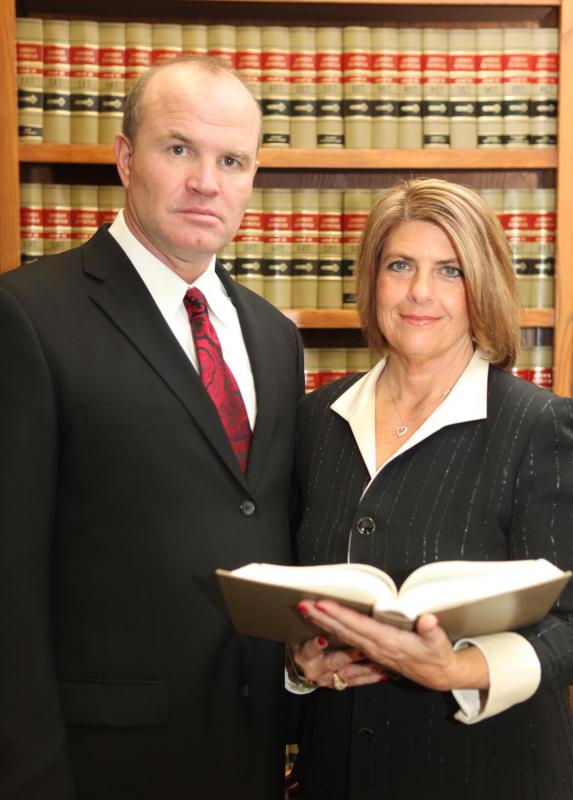
![A probate attorney handles matters related to the estate of a deceased person.]() By: George WadaA probate attorney handles matters related to the estate of a deceased person.
By: George WadaA probate attorney handles matters related to the estate of a deceased person.

Discussion Comments
If you own a house and the spouse passed away, and the house is in your both names, can you sell the property without changing the title deed because they are asking for lot of money,
My mom passed 9 months ago; she lived with me for her final few months as her health worsened. She did not want my older sister to act as sole executor and therefore refused to sign the will that was prepared for her. My older sister had the lawyer prepare that will when my brother passed and he had no will.
I took care of mom after dad passed 26 years ago and never asked for anything. I still don’t. My older sister bullied me and our younger sister to rescind so she could act as executor to handle mom’s property. We agreed.
I am writing this to tell everyone out there never rescind your rights. I never heard a word for nine months. I just received a copy of the estate filing and she has given herself $40,000 as administrator of estate. She took $40,000 from my niece’s and nephews’ inheritance (because her kids got nothing). Mine didn’t either, but the money my mom left for the two is for a good college education. We all knew that was her wish and all the others are grown and educated. Mom only vocalized her wishes to me, but my older sister stopped speaking to me the day mom passed. Yep, that day, she actually had her three children with her to make the plans for the funeral. My younger sister and I were only included because the priest made sure of it.
Don’t get me wrong: I should have seen it coming as she has always been evil, but I thought that the law would prevent such mishandling. She has taken all the valuables from the house and all mom’s jewelry (she wouldn’t even let them bury her with her wedding bands-she took them, but I made sure that she had her rosary and a necklace that she always wore.) Wow! Mom would be so disappointed with the way my older sister is treating us because she tried so hard to make sure we all got along even though we know we put up a front while mom was alive so we would not upset her. Oh well, as the previous post said, God will prevail.
My grandmother pasted away back in 2012. We are still arguing over the trust as the person that is in charge keeps either lying or just doesn't know what they are doing. My question is: a great grandchild passed away a month before she did. He is listed in her trust and receiving x amount of money. Should this money go to his heir (a.k.a. his mother) as he was under the age of 18? Or should this be redistributed between the rest of the great grandchildren even though the trust doesn't state to do so?
My father passed away without a will, and none of my siblings have bothered to help me pay the man who helped me to put my Father to rest. They have placed it on my shoulders to take care of the insurance. But no one wants to pay the man who laid my father to rest, yet this poor man took money out of his IRA to help me.
I have been trying to get all the papers together to send to the insurance company, but my siblings all think he is asking too much. He was fined for taking out his IRA too early. They charged him so much from the bank for taking it out then he was fined from the IRS because it was considered extra income and he is out thousands of dollars now and I just want to get him paid.
My friend recently passed away without a will. Both of his parents are deceased. He was never married and has no children. He has an Aunt on his deceased father's side and a 19 year old niece from his deceased sister. How does the state decide who gets what? He does own a home that has no mortgage. And he also has two cars and a 15-foot motor boat.
Great article. Good comments and questions. Thanks!
I'm looking for the term for someone who takes care of the land during probate or even after.
I've researched the following terms for one who takes care of the land and none seem to fit:
administrator, agronomist, attendant, beneficiary, caretaker, clod hopper, conservator, custodian, drover, executor, governor, granger, groundskeeper, guardian, hayward, heir, horticulturist, inheritor, keeper, magistrate, manager, overseer, post rata = in proportion to
probate (beneficiary), progenitore, protector, rancher, rector, regent, retainer, scion, sentinel, steward, successor (trustee), superintendent, tenant, watchman, yeoman.
Latin terms: praepositus, prefect, promus, provost, terra autem villicus, terra promus, vilicus.
Does anyone know what that person (who takes care of the land) is called? Help!
My grandmother died years ago and left money in a bank account in another state. My mother does not know how to go about retrieving the money in this state. How long does she have before she will not be able to get the money?
My grandfather passed away nine years ago, without any will. He has three sons and one daughter and my grandmother is alive. After his death until now, my father is taking care of every need of the house. His two brothers are separated, and his sister is unmarried. To whom the property will go?
My husband and mother died 20 hours apart. My sister knowing I was tied up with Cancer and my husband came in the final chapter and had mom change her will so she got everything.
I was my mom's only caregiver for 20-plus years. We lived two miles apart. My sister Linda had zero contact with my mom for 14 plus years.
Now when I tried to fight it, the attorneys did nothing for me and charged a lot. Now they're saying it was the lady bird clause, but that too was done by an attorney my sister was working for at the time. My sister is a tired old woman with no one in her life. God will prevail.
My friend's mom died two years ago and her sister has the will and lives in the house still. The sister will not answer calls and said her mom sold her kids the house for $1.00. But it's been two years and the house is still in the deceased dad's name. How does she go about getting this will probated? She is so upset because the sister is not even paying the taxes on the house.
My mom died in January 2012, and I just got the taxes. She had left land that wasn't listed in the trust to me. I'm the sole heir. How can I get this land in my name without being hustled by am attorney for an arm and a leg?
The land, I believe, is worth less than $60,000. Who can help me cheap? I just spoke to a legal zoom lawyer who said can file a head stat. I'm not even sure what that is, but he wants a lot of money. Where do I turn?
Comparing the two, that is, a will and a children's trust, which one is better in terms of protecting the rights of children? Can either of them be challenged at law by any of my relatives especially where they are of the opinion that they should have inherited something from me?
My wife died eight years before her mother died. When her Mom died, my wife was one of four beneficiaries.
Now I have been asked by one of my wife's siblings to forward her death certificate to her after she tells me that "there is nothing left in probate due to all the medical bills". Which poses this question: If there is nothing in probate, why does she need my wife's death certificate?
my mom died in january and left a will to three of us children. my sister had a general warranty deed with retained enhanced life estate done on my mother's house in December, while she was very ill.
mom did not sign the deed of her house. my sister is executor of the will and did not probate the will at all. now she claims she can sell the house which is in her name and all we have to do is sign heirship forms for the car mom had and get what we want out of house and estate sale to sell the rest of belongings in the house.
question? this is under texas law? is this all legal at all. she said she has power of attorney. i read it ended when mom died. what is legal here in texas on this matter? thanks a lot for any help. A lawyer i called took a week of my time and will not handle the case.
my dad left a will, has a half share in a house and 20,000 in the bank. how can i get cheap probate? is there a way of doing it myself?
my father died without a will and had deeded his house to his niece the month before he died but it was not recorded at court house. do i have a way to void this deed and get the property as his son?
my father died leaving a business. i'm aware he had a will but my brother did not report it or tell me and the business is still operating under deceased father's social security number. where do i go and how do i start investigating? his business is a multi-million dollar business and it is not reporting all income -- more like tax evasion!
My father died in May of 2008, without a will. He owned very little property or money, and I didn't even go through probate. Now a finance company that apparently loaned him money to buy a television a few months before he died is sending me bills for 1200 dollars, in the name of his estate. Am I obligated to pay this?
my grandfather signed a life estate deed to his land back in 2001. now the previous owner wants to make my grandma pay rent for the housing or she will have to move...since she was married to my grandfather, doesn't the land belong to her now? Why should she have to pay anything since the land was her husbands?
My father passed over one year ago without a legal will, and my mother passed three years ago. My father's estate has been plagued by judiuary, government delays and lack of information by the government, to despence of estate funds, due to estate taxes, and no assessments by the taxation department of Canada. As a legal family member of the deceased, how can I assist in the process, to get government settlements on my father's estate.
my father died after a long illness and left behind several credit bills caused by medicines he needed and my mother does not have enough money out of her social security to pay these bills. it has become an extreme hardship on her. these were my dads only cards. there is no any money left after his funeral to pay off his debts. what can she do short of selling her home?
Post your comments