
At SmartCapitalMind, we're committed to delivering accurate, trustworthy information. Our expert-authored content is rigorously fact-checked and sourced from credible authorities. Discover how we uphold the highest standards in providing you with reliable knowledge.
What is Price Discrimination?
 Tricia Christensen
Tricia Christensen
Tricia Christensen
Price discrimination is the practice of one retailer, wholesaler, or manufacturer charging different prices for the same items to different customers. This is a widespread practice, and does not necessarily imply negative discrimination. Historically, it has been used in a negative way, however, and early forms certainly existed in US states with Jim Crow laws, for example, where a black consumer might very likely pay more for the same quantity and items than a white consumer would. In general, this type of discrimination is very rare today.
As it is now understood, price discrimination is separated into degrees. First, second, and third degree discrimination exist and apply to different pricing methods used by companies. Much depends on the understanding of the market in segments, and also the consumer’s ability to pay a higher or lower price, called elasticity of demand. Someone who might pay more for an item is thought to have a low elasticity of demand. Another person who will not pay as much has a high elasticity.

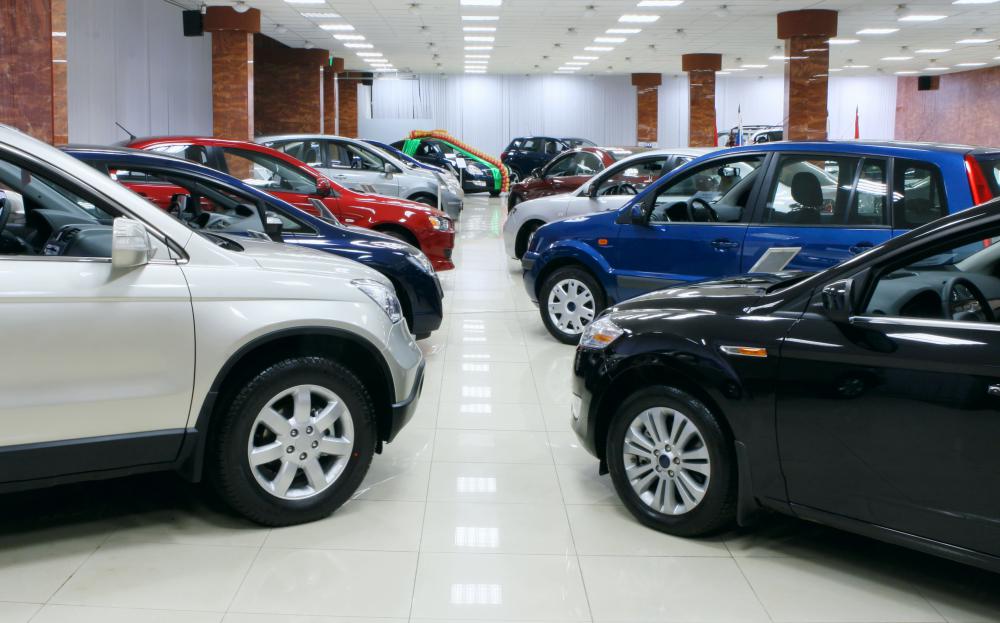
First-degree occurs when identical goods are sold at different prices to each individual consumer. Obviously, the seller is not always going to be able to identify who is willing to pay more for certain items, but when he or she can, his profit increases. Consumers can see this type of discrimination in the sale of both new and used cars. People will pay different prices for cars with identical features, and the salesperson must attempt to gauge the maximum price at which the car can be sold. This often includes a bargaining aspect, where the consumer attempts to negotiate a lower price.

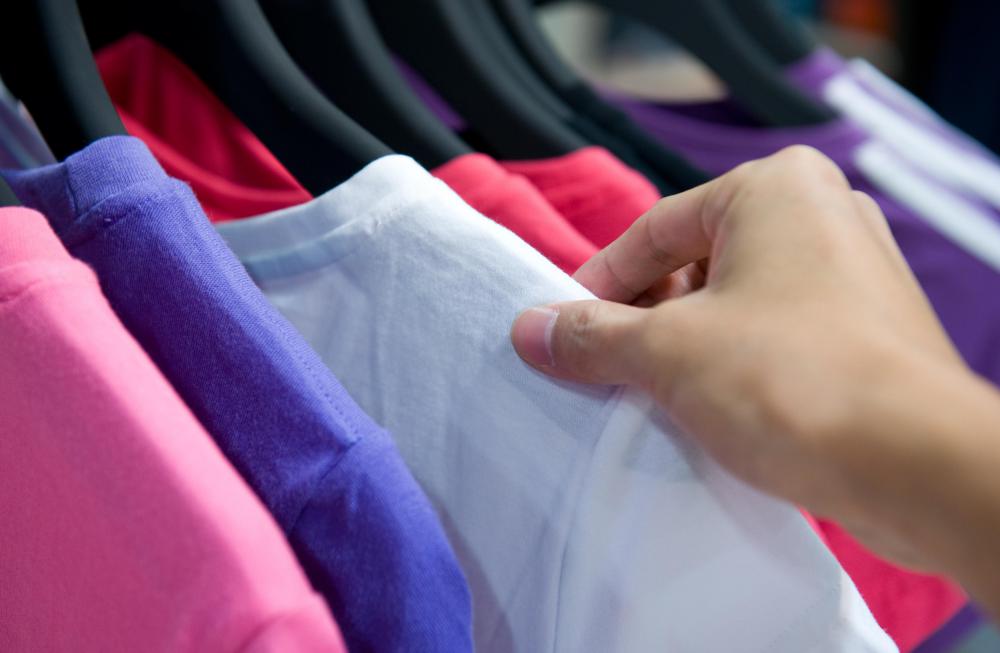
Second-degree discrimination refers to companies charging lower prices for higher quantities. In companies where a client orders in bulk and is able to purchase a high number of the same items at once, the client may get a discounted rate. This rate would not apply to a client who only orders a few items at a time. This degree is common in retail stores, where a reduced price may be offered if a shopper buys two T-shirts instead of just one. This form helps to get rid of merchandise and generate more revenue for a company.

Third degree price discrimination is based on understanding the market, and occurs with great frequency. This type takes many different forms, but in all cases, attempts to derive the most sales from each segmented “group” of consumers. For example, senior citizens are considered a group and are often offered discounts at movie theaters, for transportation, in restaurants, and even in retail stores where seniors may have a “senior day” each week that allows them to take a discount on merchandise. “Students” are another segmented group that may be offered lower prices. Both seniors and students have a higher elasticity of demand and can generally afford to pay less than the average worker.

Market segmentation may also evaluate the socio-economic aspects of an area when considering elasticity of demand. It’s not uncommon to see retail grocery stores offer differing prices in an area where the retailer knows he can get more money for a product. Where only one chain store exists in a certain location, retail grocery stores might offer higher prices because people have no alternative place to shop.

Another form of third degree discrimination is temporary discounts for airfares that are meant to increase business. These discounts could be seasonal and designed to promote the company. Those in urban areas may also pay more for flights or hotel rooms than those in rural areas.
Tricia Christensen
Tricia has a Literature degree from Sonoma State University and has been a frequent SmartCapitalMind contributor for many years. She is especially passionate about reading and writing, although her other interests include medicine, art, film, history, politics, ethics, and religion. Tricia lives in Northern California and is currently working on her first novel.
Learn more...
Tricia Christensen
Tricia has a Literature degree from Sonoma State University and has been a frequent SmartCapitalMind contributor for many years. She is especially passionate about reading and writing, although her other interests include medicine, art, film, history, politics, ethics, and religion. Tricia lives in Northern California and is currently working on her first novel.
Learn more...AS FEATURED ON:
AS FEATURED ON:









-
![Selling cars with identical features at different prices is an example of price discrimination.]() By: Tatiana BelovaSelling cars with identical features at different prices is an example of price discrimination.
By: Tatiana BelovaSelling cars with identical features at different prices is an example of price discrimination. -
![Reducing the price of shirts if a customer buys two is a form of price discrimination.]() By: xyReducing the price of shirts if a customer buys two is a form of price discrimination.
By: xyReducing the price of shirts if a customer buys two is a form of price discrimination. -
![Giving discounts to students based on their background is a form of price discrimination.]() By: Syda ProductionsGiving discounts to students based on their background is a form of price discrimination.
By: Syda ProductionsGiving discounts to students based on their background is a form of price discrimination. -
![Some retails stores may offer seniors discounts on merchandise.]() By: Lisa F. YoungSome retails stores may offer seniors discounts on merchandise.
By: Lisa F. YoungSome retails stores may offer seniors discounts on merchandise. -
![Store employees are constantly checking prices against competitors.]() By: Robert KneschkeStore employees are constantly checking prices against competitors.
By: Robert KneschkeStore employees are constantly checking prices against competitors. -
![Some stores offer specialty pricing to regular customers, or those with a store credit card.]() By: KenishirotieSome stores offer specialty pricing to regular customers, or those with a store credit card.
By: KenishirotieSome stores offer specialty pricing to regular customers, or those with a store credit card.




Discussion Comments
Please note that the use of "elasticity of demand" concept is somewhat inaccurate.
Elasticity of demand refers to how much the quantity demanded will change due to price increases or decreases, e.g. increase price by 5 percent and the quantity demanded might decrease by 10 percent.
A more accurate statement would be: "If price-elasticity of demand is high, then small changes in price produce big changes (a big 'bounce') in quantity demanded. When price elasticity of demand is low, then sellers can increase the price by as much as they want, but the quantity bought (demanded) will remain much the same (i.e. no 'bounce' in the quantity demanded!). Extreme examples of this only happen with necessary goods such as petrol/diesel.
I would like to point out that most forms of modern price discrimination does not violate discrimination law. Every customer has the option to take advantage of the different price tiers. Retailers do not separate customers into groups that are protected against discrimination, except in the case of senior citizens, and in these cases, the group in question is given a discount. In this situation, price discrimination is socially acceptable. Most agree that someone who has lived beyond a certain point deserves a break.
Loyalty cards are a common form of price discrimination in the retail sector. It is a trade off; give a little bit of marketing information and you receive a discount. The retailers are also hoping this discount turns into customer loyalty, although excessive marketing communications can turn many consumers off (no one likes junk mail and email).
We went into a grocery store, items were priced on the shelves with, MVP card customers get 20% off. We got to register and were told without the MVP card we would not be entitled to 20% (price advertised and marked on sign). I asked the cashier does she only treat card customers as MVP? and her reply was a simple yes.
Post your comments