
At SmartCapitalMind, we're committed to delivering accurate, trustworthy information. Our expert-authored content is rigorously fact-checked and sourced from credible authorities. Discover how we uphold the highest standards in providing you with reliable knowledge.
What is Poverty?
 Tricia Christensen
Tricia Christensen
Tricia Christensen
Those looking for definitions of poverty are likely to find many different explanations, and they may even find a range of specific tests that are administered to determine statistics like the number of children that are in an impoverished state. The term itself is somewhat slippery to define and may have different meanings, depending upon country of origin. It can usually be thought of as the state of lacking resources that would provide people with basic necessities, or that force people to go without certain needed things, like three meals a day or shelter. It ought to be understood that people in poverty can still have some of these things, like a roof over their heads, and yet not enough of other things, like food, money to seek medical treatment, or to purchase adequate clothing.
In many countries, poverty may be defined by income only. Some countries, states, or even counties may set lines, where people who live below a certain income or just above it might be considered impoverished, while those who live well above the line are clearly not. While this may prove to be one helpful way to evaluate how to help those with little, there is significant debate about where these lines should be set. When great changes in a country’s economic structure occur, current valuations of people's economic status may change drastically. The huge increase in gas prices in the US in 2008, for example, put some people who lived above the line below it because more of their income had to pay for the rising costs of gas.

Another matter of ethical concern is what occurs when people who work full time cannot make it over the poverty line. The term working poor describes many people who work hard every day and still can’t provide themselves or their families with the average necessities of life. Great debate exists about whether a nation should make certain that employers operating in its country must offer a living wage as determined by present economic circumstances, but there is resistance to this idea, which fuels debate.

Even if there are debates about where lines should be set, these guidelines at least can give a human face to what it means to lack for basic needs. In the US in 2007, for instance, 12.5% of the population, about 37.3 million people, fell below these lines. In 2008, the World Bank estimated that about 1.4 billion people in the world are poor, and this estimate is based on those who make less than $1.25 US Dollars (USD) per day.

There are many people who argue that lacking money or resources is only part of the problem. Other things can create chronic impoverishment, like little investment in communities, high crime rates, illegal activities, and destabilized governments. Disappearing resources as countries industrialize may also result in reducing certain jobs for some, while other jobs develop for a new workforce. Lack of preventative medicine and education may keep people from either working or learning how to work in more effective ways that will raise them to higher income levels.
Tricia Christensen
Tricia has a Literature degree from Sonoma State University and has been a frequent SmartCapitalMind contributor for many years. She is especially passionate about reading and writing, although her other interests include medicine, art, film, history, politics, ethics, and religion. Tricia lives in Northern California and is currently working on her first novel.
Learn more...
Tricia Christensen
Tricia has a Literature degree from Sonoma State University and has been a frequent SmartCapitalMind contributor for many years. She is especially passionate about reading and writing, although her other interests include medicine, art, film, history, politics, ethics, and religion. Tricia lives in Northern California and is currently working on her first novel.
Learn more...AS FEATURED ON:
AS FEATURED ON:









-
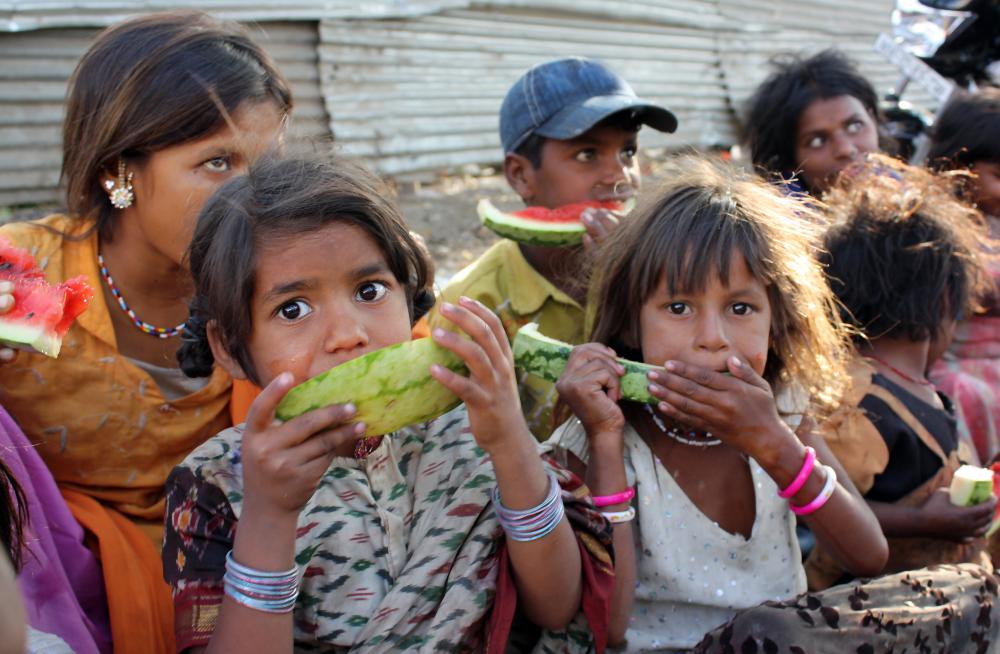
![Impoverished children eating watermelon.]() By: TheFinalMiracleImpoverished children eating watermelon.
By: TheFinalMiracleImpoverished children eating watermelon. -
![Shanty town in Ghana.]() By: trevkittShanty town in Ghana.
By: trevkittShanty town in Ghana. -
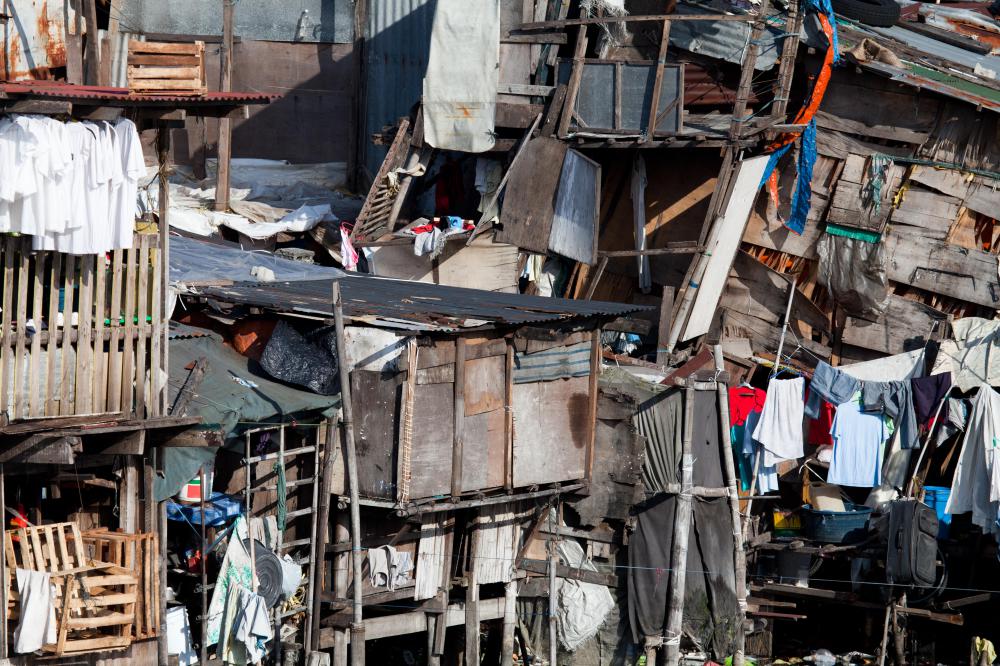
![Makeshift housing in Phillipines.]() By: Sascha BurkardMakeshift housing in Phillipines.
By: Sascha BurkardMakeshift housing in Phillipines. -
![Poverty may be seen in school life.]() By: Living LegendPoverty may be seen in school life.
By: Living LegendPoverty may be seen in school life. -
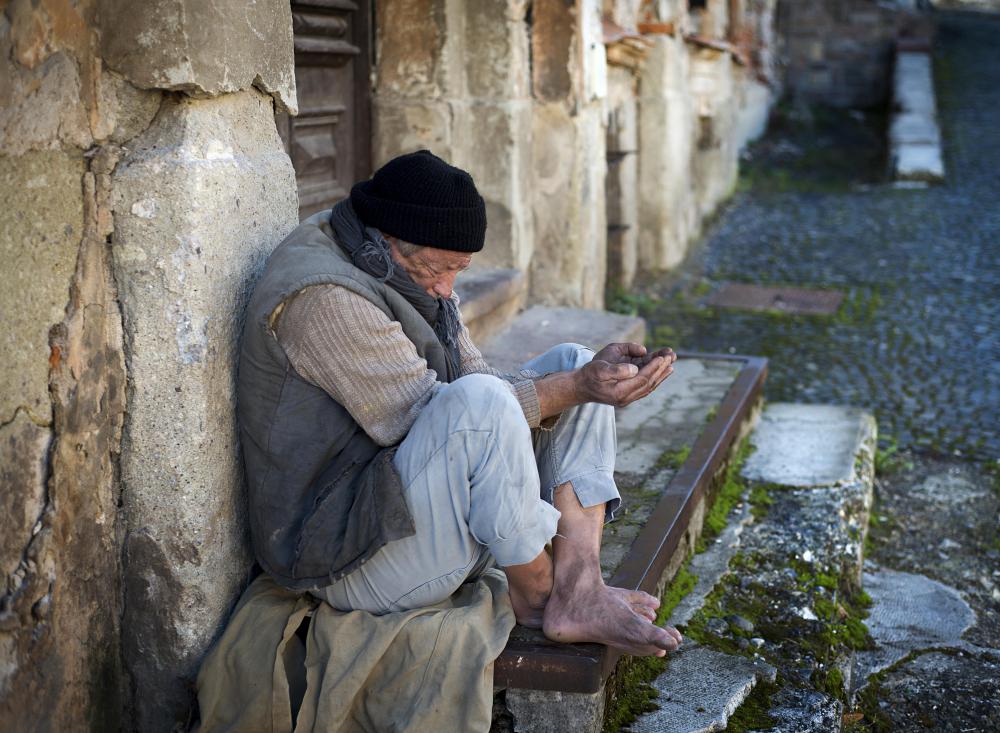
![Homeless people live in extreme poverty.]() By: HalfpointHomeless people live in extreme poverty.
By: HalfpointHomeless people live in extreme poverty. -
![People who live in poverty might commit violent acts to get ahead in life.]() By: Nomad_SoulPeople who live in poverty might commit violent acts to get ahead in life.
By: Nomad_SoulPeople who live in poverty might commit violent acts to get ahead in life. -
![In 2008, the World Bank estimated that more than 1.4 billion people globally make less than $1.25 USD each day.]() By: TheFinalMiracleIn 2008, the World Bank estimated that more than 1.4 billion people globally make less than $1.25 USD each day.
By: TheFinalMiracleIn 2008, the World Bank estimated that more than 1.4 billion people globally make less than $1.25 USD each day.




Discussion Comments
People who lack basic financial literacy might be more likely to have higher levels of debt and experience problems with managing money.
@anon52768: Whoever you may be, know that this “stupid decision” is taught to us by the generation above us. And the generation above the and so forth. It’s sad to think that we live in a world were everything is someone else’s fault or someone else’s problem. Really, are we so naive as to put the blame on one another and not take accountability or responsibility for our own actions? That is just devastatingly selfish.
Think about a time you have done something wrong -- something mediocre. Not just “Oh, I stole my sister’s goldfish,” but something that would have had a more serious consequence than no more goldfish for the next five minutes. When you acted this way, what did you think?
Sadly, we trick ourselves into believing that we were in the right. We recognize that in the moment we have done something wrong. But do we own up to it? Do we ever own up to it? Is there anything that we ever own up to? Even the government does not own up to things. We all know it. But we have to trust the government. It would not be right not to. Does that stop people from deciding otherwise? No! But before you go blaming someone who is clearly struggling more than you are, whether you choose to believe them or not, look at the big picture. If it truly was indeed taught to this person from their parents, where did they pick it up? I’m not a government conspiracy theorist. This was merely an example of corruption.
The people we hurt the most are ourselves. We are all guilty of this crime. No one person is exempt from this. It is just something we must live with. Just as we must live with those whose parents set supposed “bad examples”. Before you go trying to control another person’s life, start by trying to control yours. Remember, the choice is yours.
poverty is not having the means to accommodate the basic necessities of life, maybe not having as many opportunities as others or falling below the nations per capita income. children may be born into it and having children just because you're poor will only make things worse.
i am basically offended by most everything i have read here. I am only hearing mostly about unwed mothers, which i think is crazy!
please don't take a risk of getting pregnant(or worse) just because you are stupid! Children should only be conceived when you are ready for them. Period!
i have recently become unable to work due to an injury. i have children and i have never been on welfare, but because of stupidity, i am going to have a hard time getting the help i need to make it through this difficult time in my life.
how come we are only hearing from young people? is this what you were taught? have kids and don't ever have to work? Please teach your children better.
I am sorry that I felt heartbroken by a social worker's involvement. I was sent to mental health hospital and my sons were brought into foster care. I am a single mother with two young children with low income. We were happy until the time we were separated. Now the social worker tried to change and cancel the contact time to control my sons and their mother. It is hurting.
I hate them. I feel sad. I feel that there is no justice and there are no rights in the family rights. I have to deal with the mental health issue with the doctors and then with the social workers and then with solicitors. Where is the end? My sons are away from their family. Since April till now, it is 5 months now. And there is no birthday celebration for my sons. Instead they accuse me of endangering my children. I have met some good people and this time I cannot understand why they took my sons away for so long. It is inhuman. Even if it is poverty, why do children need to be taken away from their mother. Will this change anything from being poor. Poor is not scary, it is the feeling of being separated from each other. It is the resentment. far more scary than anything else. Why were they sent to the doctor without any reason? Is this because I tried to home educate my sons? Is it so serious to take a mother into hospital and break my family down? I need justice *back!* I am prepared to give everything to my children including my life. Without them, my life is empty.
Post your comments