
At TheHealthBoard, we're committed to delivering accurate, trustworthy information. Our expert-authored content is rigorously fact-checked and sourced from credible authorities. Discover how we uphold the highest standards in providing you with reliable knowledge.
What is Potassium Needed for in the Human Body?
Potassium plays a number of important roles in the human body, but is perhaps most commonly credited with helping facilitate muscle movement and tone, particularly where the heart is concerned. It helps ensure that muscles have the energy they need to function optimally. The mineral is also very important when it comes to keeping a strong electrolyte balance, and can help lower blood pressure. Some studies have also suggested that people who eat a lot of potassium-rich foods often have lower cholesterol levels, though it isn’t known whether this is a direct result of the mineral itself or the foods that contain it. The human body does produce this element naturally, but people usually also need to get it in their diets, too. Fruits and vegetables are often some of the best sources, though capsules and supplements are available in many places as well. As with most things, moderation is usually key, and people are typically advised to talk with their doctor or other qualified healthcare provider before beginning a supplementation plan.
Mineral Basics

Potassium, which is sometimes known by its chemical symbol K, is a mineral that is essential to the health of many organisms including humans, most animals, and many plants. In its raw form, it is a silvery white alkalic metal. It occurs in human cells in particulate form, and usually only in trace amounts. Even though the body synthesizes this element naturally, most people don’t make all that they need for optimal health. Many foods are good sources, and eating a balanced diet is usually enough to ensure proper supplies. Anyone who isn’t getting enough may need supplementation since the element is required for a great many things in the body.
Muscular Function

One of the most important things this mineral does is help facilitate muscle contraction. It is a primary contributor to what’s known as “action potentials,” which are the signals the brain sends to the muscles via the nervous system, and it also helps muscles return to a resting state after exertion. Without the proper amount in the body, muscles can become weakened, and are often sore after physical exertion. By increasing levels in the body, aches and pains from exercise can be reduced.

Muscular cramps are often one of the first symptoms of deficiency. Most of the time, the problem is minor and will go away as soon as more of the element enters the system. In more serious cases, the major muscle groups — including, importantly, the heart — can be weakened, which can lead to a number of other more complicated and serious medical concerns.
Electrolyte Balance

This element is also necessary for maintaining the correct balance of water electrolytes inside the human body. Along with sodium, it transports essential body fluids and electrolytes throughout the circulatory system. Large amounts of the mineral are processed and reabsorbed through the liver daily.
Maintaining a Healthy Blood Pressure
People who suffer from high blood pressure might also find that the stay at healthier levels the more potassium they consume. Most scholars think that this is because of the ways the mineral helps improve the heart’s efficiency when it comes to pumping and squeezing blood. Blood pressure can be influenced by many different things and no amount of supplementation can cure everything, but in many cases it can have a pronounced effect.
Possible Cholesterol Connection

A number of scholars have also suggested that increased levels of this element in the blood might, over a sustained period of time, help people reduce their overall cholesterol levels. Cholesterol is a molecular substance that can cause plaque to build up in the arteries leading to the heart. Some cholesterol is considered “good,” but that which is “bad” can contribute to things like heart attacks. The link between potassium and lowered cholesterol counts isn’t definitive, but some health providers recommend that people at risk for high cholesterol add the mineral in addition to making lifestyle changes.
Getting Enough
Though supplements can be used to compensate for low levels, many different foods and drinks contain it naturally. A diet that includes bananas, avocados, nuts, leafy greens, milk, orange juice, and potatoes will typically help a person maintain healthy levels. It’s also included in many multivitamins, and can sometimes be purchased as a stand-alone supplement, too.
Precautions and Risks
In general, anyone who is considering adding potassium supplements to their diet should talk to a healthcare provider, but this is particularly true for people with diabetes or heart conditions, since the mineral can cause complications. Additionally, individuals with kidney diseases, Addison's Disease, and stomach ulcers should always consult their doctor before using supplements of any kind.
It is possible to overdose on this mineral, though this usually only happens with supplementations; it’s hard if not impossible to consume too much from food. Symptoms of overdose include confusion, tingling limbs, and a weak heart beat. Anyone who exhibits signs of overdose or suspects that they may have taken too much should get immediate medical help.
AS FEATURED ON:
AS FEATURED ON:


-
![White beans, which are a good source of potassium.]() By: SchliernerWhite beans, which are a good source of potassium.
By: SchliernerWhite beans, which are a good source of potassium. -
![Avocados contain potassium.]() By: Richard VillalonAvocados contain potassium.
By: Richard VillalonAvocados contain potassium. -
![Orange juice contains potassium.]() By: ExQuisineOrange juice contains potassium.
By: ExQuisineOrange juice contains potassium. -
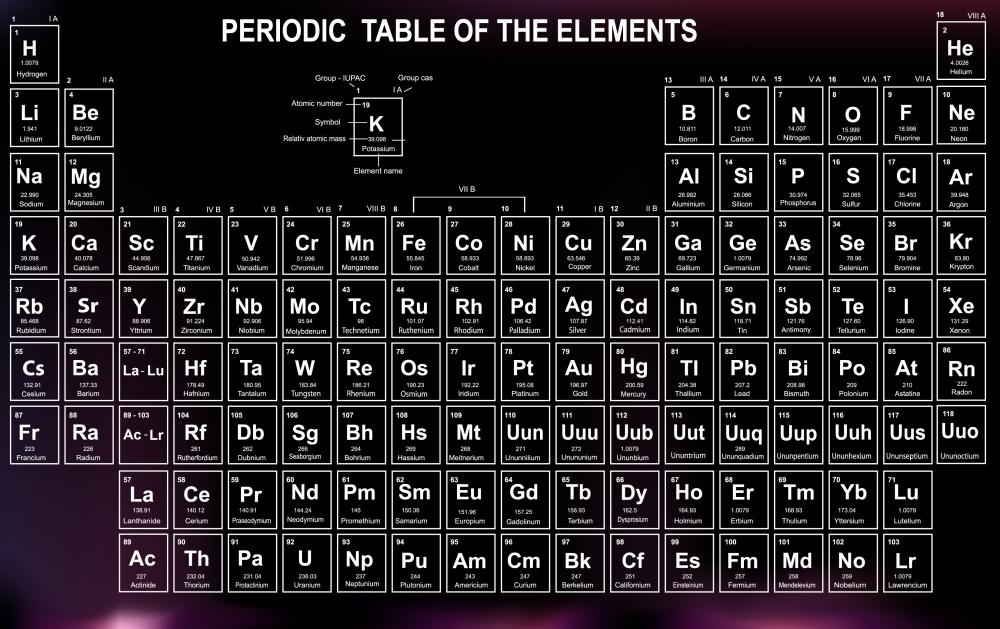
![Potassium is listed as K in the periodic table.]() By: jelena zaricPotassium is listed as K in the periodic table.
By: jelena zaricPotassium is listed as K in the periodic table. -
![Low potassium intake can contribute to heart disease.]() By: digitexLow potassium intake can contribute to heart disease.
By: digitexLow potassium intake can contribute to heart disease.




Discussion Comments
What is the highest amount of potassium you can take, before it becomes deadly?
@dinoleash: I found it interesting when looking for high potassium foods, that apricots have more potassium in them than our famous banana. A dried apricot has 814 mg of potassium and the banana has 467. I always thought that bananas topped the list!
For juices, carrot juice rocks! It has 689 mg of potassium where tomato juice only has 535.
How about our veggies? Topping out at 1,309 mg of potassium is…..beet greens. Right under that with a whopping 1,189 mg of potassium are our white beans.
@dinoleash: Peaches have a pretty good amount of potassium in them. One peach has 165 mg of potassium. They also contain beta carotene and combined with Vitamin C, Vitamin E, and selenium, is said to be beneficial in lowering high-density lipoprotein which could improve the health of patients with hypertension.
Let’s not forget their anti-oxidant properties.
@dinoleash: My favorite potassium rich fruit is the papaya. 1 papaya has 781 mg of potassium in it. It is loaded with potassium! There are so many other benefits as well.
The milk in the unripe fruit, leaves, and stems is anthelmintic, which means that it contains a substance that destroys worms that could be in the intestines. It is beneficial to diabetics, helps to aid digestion. It protects against infection. These health benefits are the result of an enzyme called papain. While the papaya is still on the tree, the skin of the unripe fruit is very lightly scratched to let a little papain ooze out just under the skin. It is then gathered in receptacles for pharmaceutical use.
What other foods contain high amounts of potassium?
Post your comments