
At WiseGEEK, we're committed to delivering accurate, trustworthy information. Our expert-authored content is rigorously fact-checked and sourced from credible authorities. Discover how we uphold the highest standards in providing you with reliable knowledge.
What is Postpartum Eclampsia?
Postpartum eclampsia refers to the sudden onset of grand mal seizures or coma shortly after giving birth. The condition can potentially cause serious damage to the central nervous system (CNS), heart, and other major organs in the mother's body if it is not recognized and treated promptly. Symptoms tend to arise within 48 hours after delivery, but it is possible to experience postpartum eclampsia several days or even weeks later. Advancements in prenatal care and medicine have significantly reduced the frequency of eclampsia episodes and related complications worldwide over the last few decades.
The causes of postpartum eclampsia are unknown, but doctors are aware of several risk factors and warning signs. The vast majority of mothers who experience it have already been diagnosed with a condition called preeclampsia during pregnancy. Preeclampsia is characterized by high blood pressure, fluid retention, and protein loss in the urine. Related stress on the heart and CNS make it more likely that seizures will develop. Women over the age of 40, especially those who are having their first pregnancies, are at the highest risk of both preeclampsia and eclampsia.

A mother may experience a single isolated seizure or a series of fits following delivery. In general, a seizure lasts for about one minute and involves facial twitching, pauses in breathing, and foaming from the mouth. Muscles in the face and body begin to contract and relax spontaneously for several seconds at the end of an episode. A temporary coma can set in following a seizure, followed by a period of confusion and extreme fatigue. In most cases, women do not remember seizing or losing consciousness after the event.

During an active seizure, the medical team supplies oxygen, restrains the patient, and gives an intravenous dose of a CNS relaxant. Blood pressure, consciousness, and breathing are carefully monitored after seizures stop. A doctor can then confirm that symptoms were caused by postpartum eclampsia and not another seizure disorder by reviewing lab tests and taking imaging scans. A low blood platelet count and elevated protein in the urine are signs of preeclampsia-induced seizures. Computerized tomography scans rule out brain defects, hemorrhages, and tumors.

A woman who experiences postpartum eclampsia is usually kept in the hospital for several days so doctors can monitor her condition. Seizure medications may be needed to prevent further attacks. In most cases, no permanent damage is done to the patient's body or brain, and her child is usually born free from health problems.
AS FEATURED ON:
AS FEATURED ON:









-
![Preeclampsia is characterized by high blood pressure.]() By: nyulPreeclampsia is characterized by high blood pressure.
By: nyulPreeclampsia is characterized by high blood pressure. -
![Pregnant women over the age of 40 are at the highest risk of developing both preeclampsia and eclampsia.]() By: Darren BakerPregnant women over the age of 40 are at the highest risk of developing both preeclampsia and eclampsia.
By: Darren BakerPregnant women over the age of 40 are at the highest risk of developing both preeclampsia and eclampsia. -
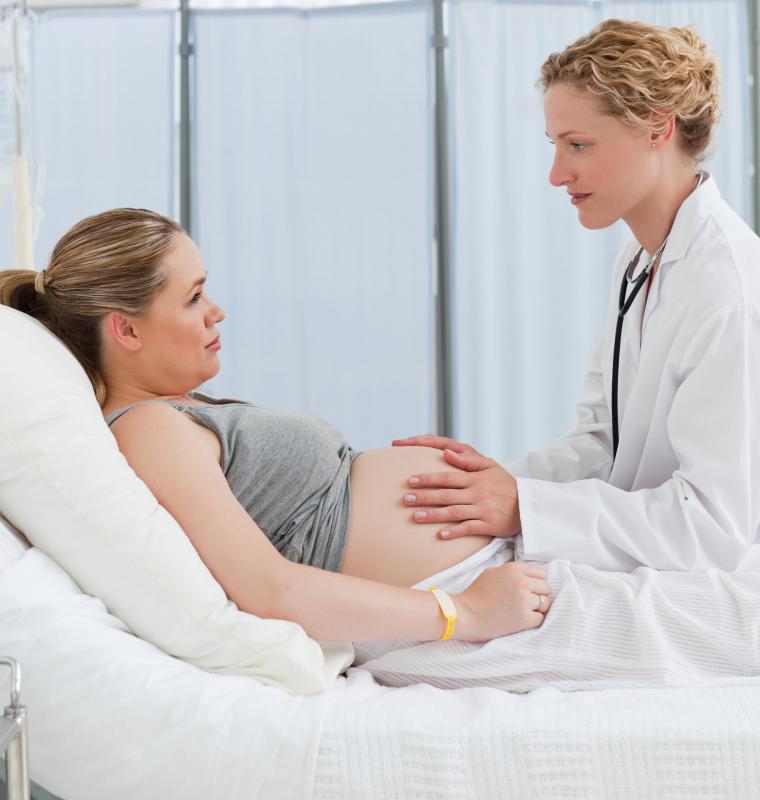
![Postpartum eclampsia refers to the sudden onset of grand mal seizures or coma shortly after giving birth.]() By: gwimagesPostpartum eclampsia refers to the sudden onset of grand mal seizures or coma shortly after giving birth.
By: gwimagesPostpartum eclampsia refers to the sudden onset of grand mal seizures or coma shortly after giving birth. -
![Advancements in prenatal care have helped prevent postpartum eclampsia.]() By: WavebreakMediaMicroAdvancements in prenatal care have helped prevent postpartum eclampsia.
By: WavebreakMediaMicroAdvancements in prenatal care have helped prevent postpartum eclampsia.


Discussion Comments
I had post eclamptic seizures 10 days after the delivery of my first child. The only indication I had that something wasn't right was I had a headache for two days straight.
During the second night, I began to notice twitching in my arm and I chalked it up to fatigue. I got in the shower in an attempt to relieve the pain and went into seizures. The last thing I remember was hearing my husband say "breathe baby, just breathe". I was never diagnosed during pregnancy with pre-eclampsia (in fact, my blood pressure was better than it ever was before pregnancy), nor was there any indication after delivery of post eclampsia -- that is until I went into seizures.
Now I am pregnant again and my biggest fear is that this will happen again and that perhaps I won't wake up the next time. My doctor tells me that the seizures are rare but that they usually only happen with the first pregnancy. Here's hoping that holds true.
It's a terrifying experience and worse are the "holes" in my memory. Having a baby is certainly a memory that you want to hold onto, however, my memories from the time of c-section to a couple days after my seizures are spotty at best.
I never had any issues with high blood pressure throughout my third pregnancy. I had a severe headache a week after delivery that narcotic pain meds barely touched, which was very odd, since I rarely ever used any kind of pain meds like Tylenol.
I had a seizure and fainted and was taken by ambulance to the hospital. After the seizure (grand mal) I had anti-seizure meds and lots of testing (MRI's, and EEG's) which all came back normal. It was the scariest experience of my life! I've since had two more babies with uneventful pregnancies and never another seizure, thank goodness!
I feel very lucky to be alive. My baby girl is now four months old and healthy, as am I! Thank the Lord for all He does. -- a happy Mommy of one.
@Crispety: I developed preeclampsia at the end of my pregnancy. My entire body swelled. It was awful and I felt horrible. The protein started to build in my urine around week 33 but my blood pressure didn't actually rise until week 35. I delivered my son a month premature by c section just as your sister did. Although, I hope that, unlike me, your sister is doing better now.
My son is 3 months old and my symptoms still have yet to stabilize. My blood pressure and heart rate are still high and my kidneys are damaged. From the high blood pressure I have nose bleeds, blurred vision, and all the other things that go with it. It's really a scary and horrible experience and I completely understand why she is so scared of getting pregnant again. I feel the same way.
@Crispety - I am glad that it worked out for your sister. I have to tell you that a lot of women develop preeclampsia which is why the nurses are constantly checking a pregnant women’s blood pressure when they go in for prenatal visits.
I had a friend that developed preeclampsia when she was pregnant too and the doctors put her on bed rest.
I think that the biggest sign of developing preeclampsia involves the swelling that you develop all over. Preeclampsia swelling is not your typical pregnancy swelling it is much more pronounced.
Wow, I never knew that that eclampsia after delivery existed. Preeclampsia sounds very similar to postpartum eclampsia symptoms. Unfortunately,my sister developed preeclampsia when she was pregnant with my nephew,and it was really scary.
She retained so much water that I could not recognize her. Her blood pressure shot up so high that she had to be hospitalized.
At first they were having trouble stabilizing her blood pressure but after a while the medication kicked in. As a result, my nephew was born a month premature because my sister had an emergency C section.
The symptoms of this condition ceased when my sister had my nephew and as a result she was terrified of having another one because of what she experienced with this pregnancy.
Post your comments