
At WiseGEEK, we're committed to delivering accurate, trustworthy information. Our expert-authored content is rigorously fact-checked and sourced from credible authorities. Discover how we uphold the highest standards in providing you with reliable knowledge.
What is Post-Tubal Ligation Syndrome?
Post-tubal ligation syndrome is a medical condition suffered by a relatively small percentage of women who have undergone a reproductive sterilization procedure known as a tubal ligation. In this procedure, the fallopian tubes are cut and tied in order to permanently prevent future pregnancies. In some cases, the tubes are cauterized, or burned, as well. It seems that the majority of women suffering from post-tubal ligation syndrome have had this cauterization procedure performed. Symptoms vary from depression and anxiety to muscle and joint pain or loss of libido, and treatment is aimed at relieving each individual symptom.
Irregular periods as well as other symptoms of post-tubal ligation syndrome are more common in women who have had a tubal ligation before the age of 30, although the reason for this increased risk is not completely understood. It is believed that this condition is caused by a decrease in the natural reproductive hormones known as estrogen and progesterone. This hormone reduction is thought to interfere with the blood supply to the ovaries, leading to the symptoms of this syndrome.

Some potential symptoms of post-tubal ligation syndrome include hot flashes, night sweats, and insomnia. These symptoms can sometimes be treated with the use of prescription medications. Hot flashes and night sweats can often be minimized by using cold compresses or taking a cool shower just before going to bed. It is important to report all unusual symptoms to a doctor so that more serious medical conditions can be ruled out.

Some women suffering from post-tubal ligation syndrome notice an increase in facial hair, while the hair on the head may begin to become thinner. There may also be a decrease in body hair, including the pubic area. Fatigue and memory loss are also common occurrences with this condition. Hormone replacement therapy may be able to ease these symptoms in some women. Blood tests are often performed to check for hormone imbalances before this type of treatment is started.

Gastrointestinal disorders occur frequently in women experiencing post-tubal ligation syndrome. These symptoms can include nausea, flatulence, and a painful buildup of gas. Often, over-the-counter medications can help to keep these symptoms in check. However, prescription dosages may be used if these medications do not provide adequate relief. These symptoms can indicate the possibility of more severe medical conditions, so a doctor will often perform additional medical testing to rule out other causes of these troubling symptoms.
AS FEATURED ON:
AS FEATURED ON:









-
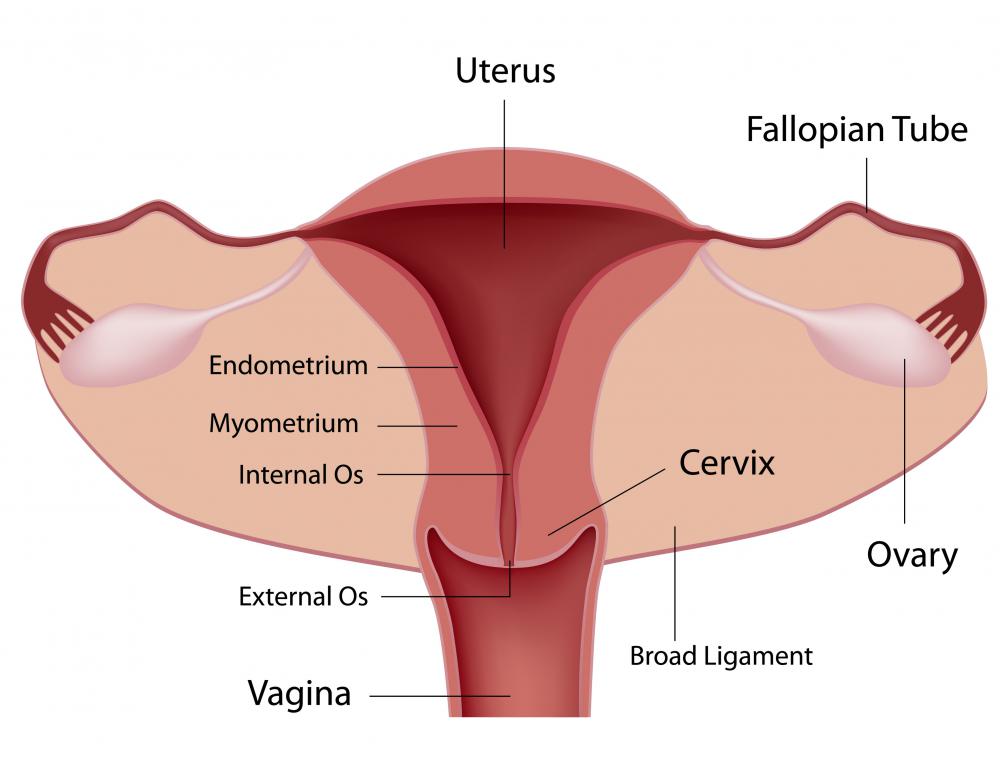
![A diagram of the female reproductive system, including the fallopian tubes.]() By: AlilaA diagram of the female reproductive system, including the fallopian tubes.
By: AlilaA diagram of the female reproductive system, including the fallopian tubes. -
![Hot flashes are a potential symptom of post-tubal ligation syndrome.]() By: Ana Blazic PavlovicHot flashes are a potential symptom of post-tubal ligation syndrome.
By: Ana Blazic PavlovicHot flashes are a potential symptom of post-tubal ligation syndrome. -
![A cool shower might reduce the likelihood of hot flashes.]() By: katehillphotoA cool shower might reduce the likelihood of hot flashes.
By: katehillphotoA cool shower might reduce the likelihood of hot flashes. -
![Irregular periods may occur after having a tubal ligation.]() By: Dragos IliescuIrregular periods may occur after having a tubal ligation.
By: Dragos IliescuIrregular periods may occur after having a tubal ligation. -
![Although tubal ligation may prevent pregnancy, condoms should be worn to prevent sexually transmitted disease.]() By: Peter AtkinsAlthough tubal ligation may prevent pregnancy, condoms should be worn to prevent sexually transmitted disease.
By: Peter AtkinsAlthough tubal ligation may prevent pregnancy, condoms should be worn to prevent sexually transmitted disease. -
![A tubal ligation is typically performed immediately after a woman has given birth.]() By: Tyler OlsonA tubal ligation is typically performed immediately after a woman has given birth.
By: Tyler OlsonA tubal ligation is typically performed immediately after a woman has given birth. -
![Symptoms of post-tubal ligation syndrome may include insomnia.]() By: tiplyashinaSymptoms of post-tubal ligation syndrome may include insomnia.
By: tiplyashinaSymptoms of post-tubal ligation syndrome may include insomnia. -
![Women should avoid heavy lifting for approximately three weeks following a tubal ligation.]() By: jrwassermanWomen should avoid heavy lifting for approximately three weeks following a tubal ligation.
By: jrwassermanWomen should avoid heavy lifting for approximately three weeks following a tubal ligation.




Discuss this Article
Post your comments