
At DelightedCooking, we're committed to delivering accurate, trustworthy information. Our expert-authored content is rigorously fact-checked and sourced from credible authorities. Discover how we uphold the highest standards in providing you with reliable knowledge.
What is Poi?
 Tricia Christensen
Tricia Christensen
Tricia Christensen
Poi is a traditional Hawaiian and Polynesian food made by cooking, and then mashing the roots of taro. Water is added during the mashing process to achieve the desired consistency. Taro, which may also be called kalo, looks somewhat like a white sweet potato in shape, although it is usually larger. Either name refers to the same plant, and the preparation described above makes poi.
Poi, to the uninitiated, is a thick textured and paste-like food. Those who do try it as adults sometimes compare the taste to glue. This is often offensive to Hawaiians who eat it on a regular basis. To those in the know, this food can taste sweet, or somewhat sour as it ages, but has great religious and traditional background for Hawaiians and inhabitants of many other Polynesian Islands where taro proliferates.

In Hawaiian legend, poi invokes Haloa, the first Hawaiian. His spirit is said to have come from Taro, as did the Hawaiian people. When Haloa sits at one’s table, no arguments are tolerated. Thus poi at the table should inspire all to comport themselves peacefully.
Poi is often purchased in supermarkets today, though many may still make their own. Commercially prepared versions got their start with Annie Kamakakaulani, who started making mass quantities at her home in 1897 and sold it to neighbors. Word got out about her wonderful poi, and she often shipped it to locations as remote as Canada.

The Industrial Revolution had its effect on this food, and much of that made today is manufactured commercially. It is usually sold in cartons, although some innovative companies have come up with poi in tubes, which can be squeezed out for a quick snack.
Though it was a traditional dinner food, as far back as the 1920s, people experimented with serving poi in unusual ways. The Moana Hotel in Hawaii, for example, offered breakfast poi, which was served with cream and honey. However, the usual way to eat it is to dip two fingers into the poi and lick. The fingers used should be the index finger and the finger next to it. Using three fingers may be considered greedy.

Poi also has been a valuable substitute for breast milk or infant formula in a number of situations. Taro seems to be less allergenic than commercial formulas. Thinned versions have been shown to be of help to many infants with extreme food allergies.
This food does tend to ferment as it ages. It can usually only be stored for about five days. As the aging process begins, poi gets increasingly bitter. Older poi is often used in dishes like lomi lomi salmon, since the sour taste compliments the salty salmon. It can be frozen, but many feel this renders it tasteless. Most who regularly enjoy poi feel it should be eaten fresh for the best possible taste.
Tricia Christensen
Tricia has a Literature degree from Sonoma State University and has been a frequent DelightedCooking contributor for many years. She is especially passionate about reading and writing, although her other interests include medicine, art, film, history, politics, ethics, and religion. Tricia lives in Northern California and is currently working on her first novel.
Learn more...
Tricia Christensen
Tricia has a Literature degree from Sonoma State University and has been a frequent DelightedCooking contributor for many years. She is especially passionate about reading and writing, although her other interests include medicine, art, film, history, politics, ethics, and religion. Tricia lives in Northern California and is currently working on her first novel.
Learn more...AS FEATURED ON:
AS FEATURED ON:


-
![Poi is usually thick and paste-like due to the high carbohydrate content of taro.]() By: sommaiPoi is usually thick and paste-like due to the high carbohydrate content of taro.
By: sommaiPoi is usually thick and paste-like due to the high carbohydrate content of taro. -
![Poi can be a good alternative to breast milk or infant formula in some situations.]() By: Adam BorkowskiPoi can be a good alternative to breast milk or infant formula in some situations.
By: Adam BorkowskiPoi can be a good alternative to breast milk or infant formula in some situations. -
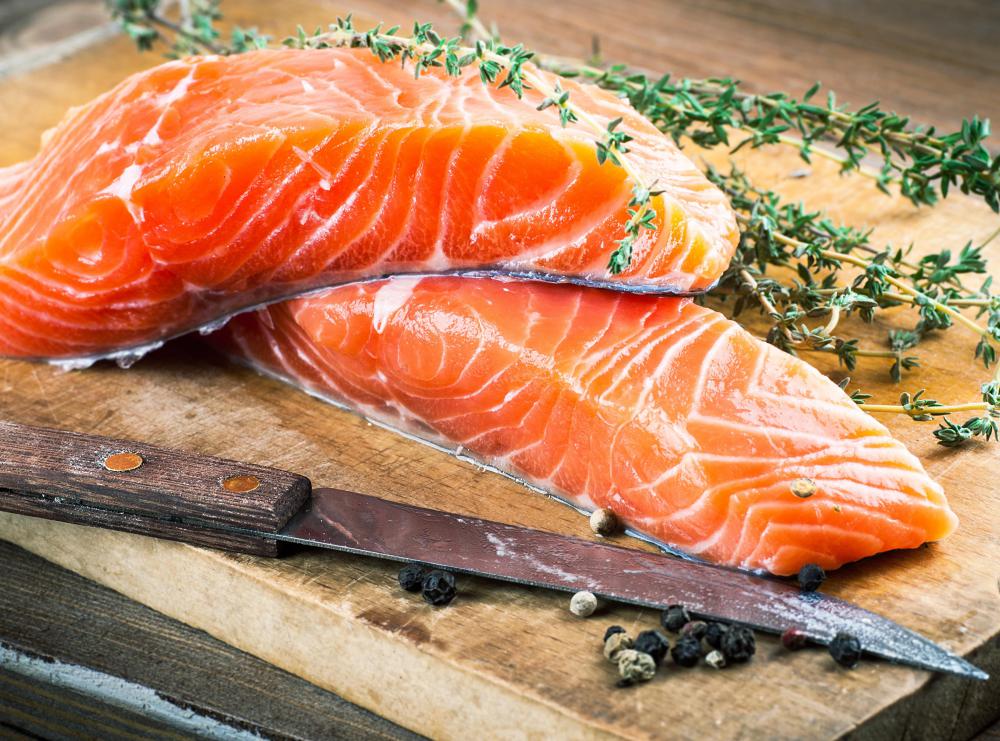
![The sour taste of older poi is often used to complement the salty taste of salmon.]() By: seqoyaThe sour taste of older poi is often used to complement the salty taste of salmon.
By: seqoyaThe sour taste of older poi is often used to complement the salty taste of salmon.


Discuss this Article
Post your comments