
At AllThingsNature, we're committed to delivering accurate, trustworthy information. Our expert-authored content is rigorously fact-checked and sourced from credible authorities. Discover how we uphold the highest standards in providing you with reliable knowledge.
What is Photochemical Smog?
 Mary McMahon
Mary McMahon
Mary McMahon
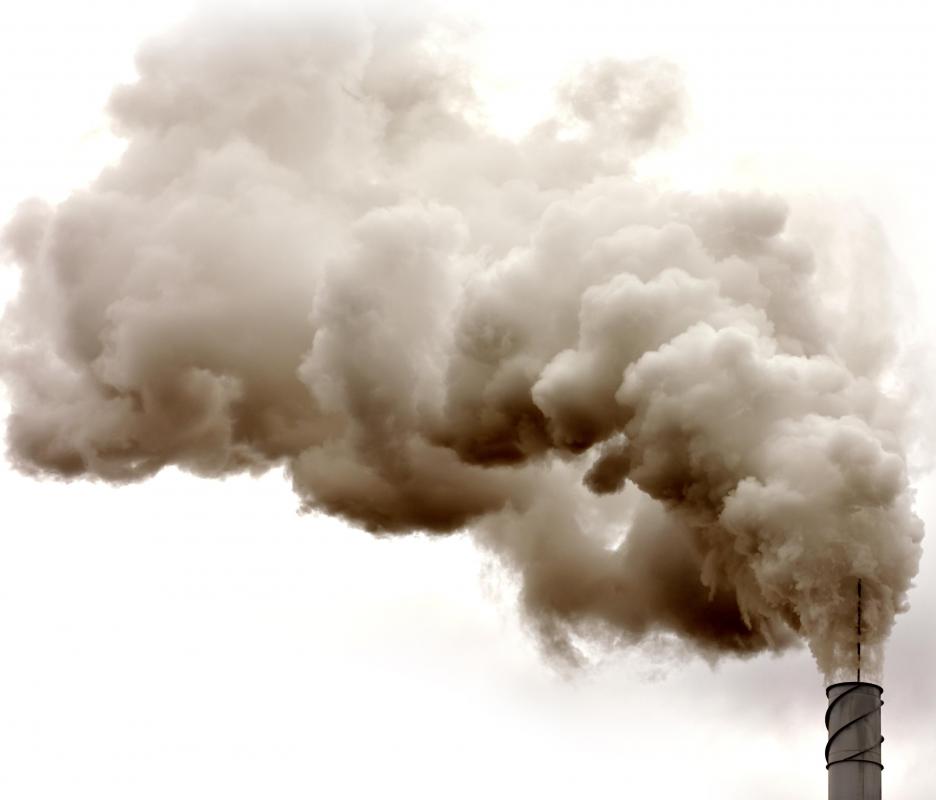
Photochemical smog is a unique type of air pollution which is caused by reactions between sunlight and pollutants like hydrocarbons and nitrogen dioxide. Although photochemical smog is often invisible, it can be extremely harmful, leading to irritations of the respiratory tract and eyes. In regions of the world with high concentrations of photochemical smog, elevated rates of death and respiratory illnesses have been observed.
Smog itself is simply airborne pollution which may obscure vision and cause various health conditions. It is caused by small particles of material which become concentrated in the air for a variety of reasons. Commonly, smog is caused by an inversion, in which cool air presses down on a column of warm air, forcing the air to remain stationary. Inversions are notorious in Southern California, where smog can sometimes get so severe that people are warned to stay indoors.

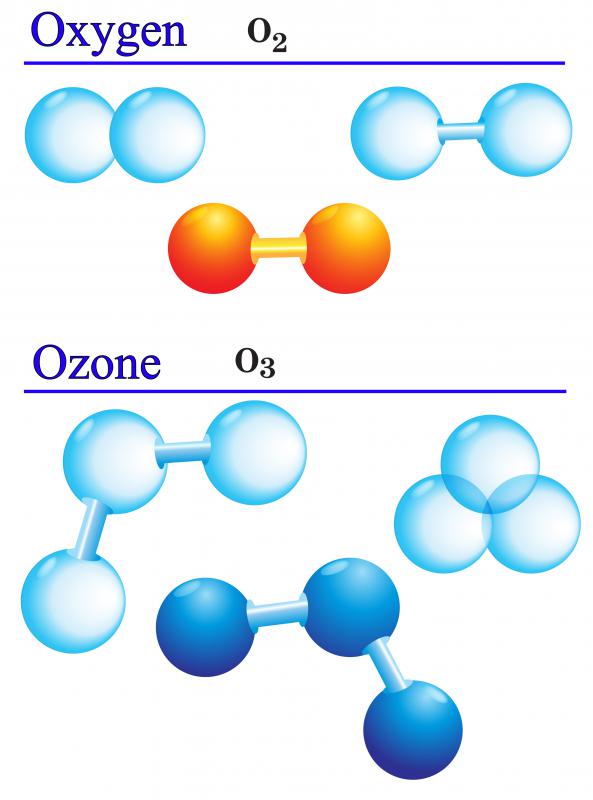
Some of the particulate matter in the air can oxidize very readily when exposed to the UV spectrum. Nitrogen dioxide and various hydrocarbons produced through combustion will interact with sunlight to break down into hazardous chemicals. It doesn't have to be sunny for photochemical smog to form; UV light can also penetrate clouds. The pollutants released through human activity in this situation are known as “primary pollutants,” and they include sulfur dioxide, carbon monoxide, and other volatile organic compounds. When these compounds interact with the sun, they form “secondary pollutants” like ozone and additional hydrocarbons.

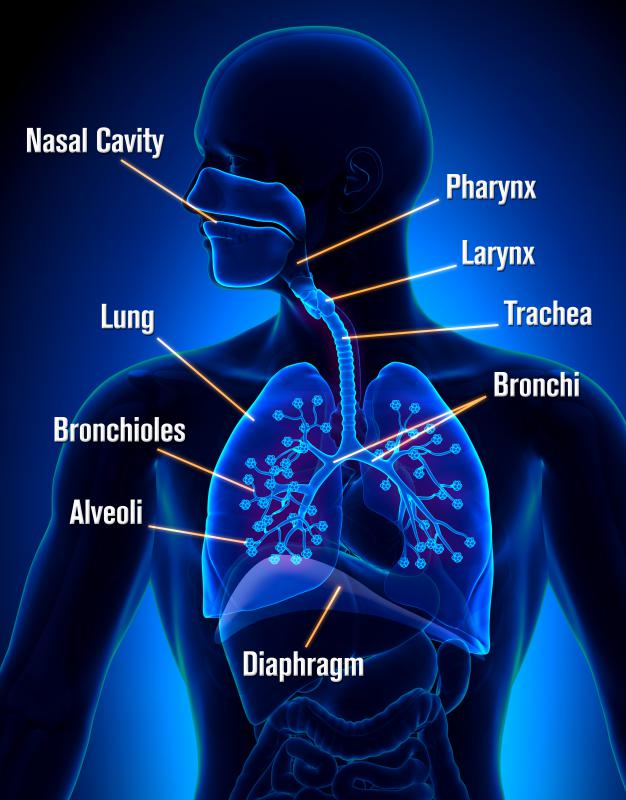
While ozone is an excellent thing in the upper atmosphere, since it protects the delicate environment of the Earth, it is not desired at ground level. Ozone can be extremely irritating to the respiratory tract, leading to fits of coughing and various medical conditions if exposure is prolonged. The mixture of hazardous pollutants formed by the reaction between UV rays and smog can travel on the wind to rural areas, meaning the photochemical smog does not just impact big cities.

Some measures have been taken around the world to reduce photochemical smog. Tight emissions regulations on vehicles and factories are one such step; many factories must use scrubbers and treatment systems before releasing air from their manufacturing facilities, for example. The use of harmful chemicals is also restricted in some regions of the world, since these chemicals can create photochemical smog. Government agencies also monitor air quality through testing, citing companies which violate the law and issuing warnings when smog levels are dangerous.
Frequently Asked Questions
What is photochemical smog and how does it form?

Photochemical smog is a type of air pollution characterized by a haze combined with various pollutants. It forms when sunlight reacts with nitrogen oxides and volatile organic compounds (VOCs) in the atmosphere, creating a mixture of secondary pollutants like ozone, aldehydes, and peroxyacetyl nitrate (PAN). This reaction is most common in urban areas with heavy traffic and industrial activities.
What are the primary sources of the pollutants that cause photochemical smog?

The primary sources of pollutants causing photochemical smog are vehicle emissions, industrial facilities, and power plants. These sources emit nitrogen oxides and VOCs, which are precursors to smog. Gasoline vapors, solvent use, and even certain natural sources like vegetation can also release VOCs into the atmosphere, contributing to smog formation.
Why is photochemical smog more common in urban areas?
Photochemical smog is more prevalent in urban areas due to the higher concentration of vehicles and industrial activities, which emit large amounts of nitrogen oxides and VOCs. Additionally, the built environment can trap pollutants between buildings, and less wind circulation in urban areas can prevent the dispersal of these pollutants, exacerbating the problem.
What are the health effects of exposure to photochemical smog?
Exposure to photochemical smog can lead to respiratory problems, eye irritation, and reduced lung function. It can exacerbate conditions like asthma and bronchitis, and long-term exposure may contribute to the development of cardiovascular diseases. Vulnerable populations, such as children, the elderly, and those with pre-existing health conditions, are at greater risk.
How does photochemical smog affect the environment?
Photochemical smog has detrimental effects on the environment. It can damage crops, forests, and other vegetation by inhibiting photosynthesis and causing leaf damage. Smog can also lead to acid rain, which affects water bodies and soil quality, and it contributes to the depletion of the ozone layer, increasing UV radiation reaching the Earth's surface.
What measures can be taken to reduce photochemical smog?
To reduce photochemical smog, measures include implementing stricter emission controls on vehicles and industrial sources, promoting public transportation, carpooling, and the use of electric or hybrid vehicles. Encouraging energy efficiency and the use of renewable energy sources also helps. Public awareness and changes in individual behavior, such as reducing the use of VOC-containing products, are also crucial.
Mary McMahon
Ever since she began contributing to the site several years ago, Mary has embraced the exciting challenge of being a AllThingsNature researcher and writer. Mary has a liberal arts degree from Goddard College and spends her free time reading, cooking, and exploring the great outdoors.
Learn more...
Mary McMahon
Ever since she began contributing to the site several years ago, Mary has embraced the exciting challenge of being a AllThingsNature researcher and writer. Mary has a liberal arts degree from Goddard College and spends her free time reading, cooking, and exploring the great outdoors.
Learn more...AS FEATURED ON:
AS FEATURED ON:









-
![Factory pollution can contribute to photochemical smog.]() By: trancedrumerFactory pollution can contribute to photochemical smog.
By: trancedrumerFactory pollution can contribute to photochemical smog. -
![Sunlight breaks down combustion components to create smog.]() By: miikoSunlight breaks down combustion components to create smog.
By: miikoSunlight breaks down combustion components to create smog. -
![Ozone can irritate the respiratory passages and lead to serious medial problems in cases of prolonged exposure.]() By: designuaOzone can irritate the respiratory passages and lead to serious medial problems in cases of prolonged exposure.
By: designuaOzone can irritate the respiratory passages and lead to serious medial problems in cases of prolonged exposure. -
![Smog can cause damage to human respiratory tracts.]() By: decade3dSmog can cause damage to human respiratory tracts.
By: decade3dSmog can cause damage to human respiratory tracts. -
![Some measures have been taken around the world to reduce photochemical smog.]() By: wusuoweiSome measures have been taken around the world to reduce photochemical smog.
By: wusuoweiSome measures have been taken around the world to reduce photochemical smog.


Discussion Comments
My atmospheric studies reveal that the sun's rays create ozone in the stratosphere that is beneficial to man as well as at the earth's surface, which is toxic. Also man does release chemicals that cause ozone to form and some are released naturally from good old mother earth as well as some Smog components such as particulates.
Ozone / smog in our cities has been going down over the last few years according to some studies that I have seen. That being stated, I do not believe that we can overburden society by demanding immediate reduction to our carbon footprint. We should instead be striving to develop a plan to remove existing smog / ozone while developing cleaner energy.
@LoriCharlie - I see what you're saying, but I'm pretty sure that more environmental restrictions would be very costly to businesses. We already have a ton of regulations about emissions here in the United States, more so than other countries. This is probably why so many businesses outsource to other countries, which takes job away from people here.
I swear, the more and more pollution articles I read, the more I think that our environmental protection regulations just aren't strict enough. If we're still seeing smog in parts of the country that is bad enough to force residents indoors, we're obviously doing something wrong.
I know that manufacturing is an important part of the economy, but is it really worth sacrificing the health and safety of people who live nearby? There has to be a way to be economically successful and be kind to ourselves and the environment.
@sunnySkys - That is true, but if you live in the United States at least, you probably know if there is harmful smog in your area. As the article said, they sometimes warn people that live in Southern California to stay indoors when the smog get particularly bad. Also, we do have regulations here about harmful emissions from cars and factories.
@anon8298 - It seems like humans are the cause of photochemical smog, with a little help from the sun of course. We release the chemicals into the air, then the sun causes the reaction that creates this photochemical smog.
Anyway, I find this type of smog to be a little disturbing because it's mostly invisible. Since it's invisible, I feel like the only way you would know if you had it in your area is if you started to get sick. At that point it would probably be too late to reverse the damage.
is benzopyrene considered a photochemical smog?
Humans release pollutants in the air that create smog. Without the pollution it would simply be fog.
In one article I read that photochemical smog offers a protection from UV radiation, namely by releasing ozone in the atmosphere. Is it true and how do you explain it?
What is the human influence on photochemical smog?
Post your comments