
At AllThingsNature, we're committed to delivering accurate, trustworthy information. Our expert-authored content is rigorously fact-checked and sourced from credible authorities. Discover how we uphold the highest standards in providing you with reliable knowledge.
What is Permafrost?
 Mary McMahon
Mary McMahon
Mary McMahon
Permafrost is soil that has remained at or below the freezing point for two or more years. The term is actually a bit misleading, as no frost is required. Permanently frozen bedrock, for example, can also be referred to as permafrost, as can very dry frozen soil. Between 20-25% of the Earth's surface is covered in permafrost — also known as cryotic soil — although this number began to fluctuate wildly in the early 21st century due to global warming.
For soil to get this way, the climate has to be extremely cold. Most of the time soil in this condition closely mirrors air temperature, and is found in the polar regions of the world. Alpine permafrost is found in mountainous areas in regions of lower latitude, and other similar can be found spotted across the Earth's surface. In some cases, permafrost is hundreds of thousands of years old, in which case it is considered to be “fossilized,” accumulated over a period of time which took thousands of years and impossible to melt in current climate conditions.

As one might imagine, cryotic soil has a radical impact on the regions where it is found. It inhibits plant growth which makes it difficult for animals to thrive. It also helps resist erosion, as it essentially cements the soil together, and it presents a number of challenges to people. Building on permafrost is tricky, because if it melts then the structures built on top of it can collapse. Likewise, utility pipes in regions with cryotic soil must be run above the ground for safety, as they could melt the soil and cause a problem, or they could crack open if the soil melted and the ground settled.
Researchers are especially interested in the areas of “continuous permafrost,” where cryotic soil is extensive and it has been present for an extended period of time. This often creates distinctive patterns in the ground which can be interesting to observe, and the spread or shrinking of the soil can be an indicator of environmental problems. In Arctic nations, for example, the shrinking permafrost line has contributed substantially to erosion.
The permafrost regions of the world are also of interest to archaeologists and historians. Frost is an excellent preservative, literally freezing artifacts in time. In addition to finding human and animal remains in cryotic soil, researchers have also found organic materials like textiles, leather, and baskets which would normally decay.
Frequently Asked Questions
What exactly is permafrost?
Permafrost is a layer of soil, rock, or sediment that remains frozen for at least two consecutive years. It's primarily found in high latitude regions like the Arctic and Antarctic, as well as high altitude areas. Permafrost can vary in depth, extending hundreds of meters below the surface, and plays a crucial role in the Earth's climate system by storing vast amounts of organic carbon.
How much of the Earth's surface is covered by permafrost?
Approximately 15% of the Northern Hemisphere's land area is underlain by permafrost, including large portions of Siberia, Alaska, and Canada. According to the National Snow and Ice Data Center, this translates to about 23 million square kilometers, an area nearly the size of North America.
Why is permafrost important in the context of climate change?
Permafrost is significant in climate discussions because it contains an estimated 1,700 gigatons of carbon in the form of frozen organic matter. When it thaws, microbes decompose this matter, releasing greenhouse gases like carbon dioxide and methane into the atmosphere, which can exacerbate global warming, as reported by the Intergovernmental Panel on Climate Change (IPCC).
What are the potential consequences of permafrost thawing?
Thawing permafrost can lead to the release of greenhouse gases, contributing to climate change. It also causes ground instability, affecting infrastructure and ecosystems. Additionally, it can lead to the formation of thermokarst landscapes and the alteration of water systems, which can have profound impacts on local wildlife and human communities.
How is permafrost studied and monitored?
Scientists study permafrost using a combination of field measurements, remote sensing technology, and climate modeling. They monitor ground temperatures, analyze soil samples, and use satellite imagery to observe changes over time. This data helps researchers understand permafrost dynamics and predict future trends in response to climate change.
Can anything be done to protect permafrost?
Protecting permafrost involves mitigating climate change by reducing greenhouse gas emissions globally. Locally, strategies include constructing infrastructure that minimizes heat transfer to the ground and preserving the insulating vegetative layer on permafrost. Research and monitoring are also vital to inform policy and adaptation measures to address the challenges posed by permafrost thaw.
Mary McMahon
Ever since she began contributing to the site several years ago, Mary has embraced the exciting challenge of being a AllThingsNature researcher and writer. Mary has a liberal arts degree from Goddard College and spends her free time reading, cooking, and exploring the great outdoors.
Learn more...
Mary McMahon
Ever since she began contributing to the site several years ago, Mary has embraced the exciting challenge of being a AllThingsNature researcher and writer. Mary has a liberal arts degree from Goddard College and spends her free time reading, cooking, and exploring the great outdoors.
Learn more...AS FEATURED ON:
AS FEATURED ON:









-
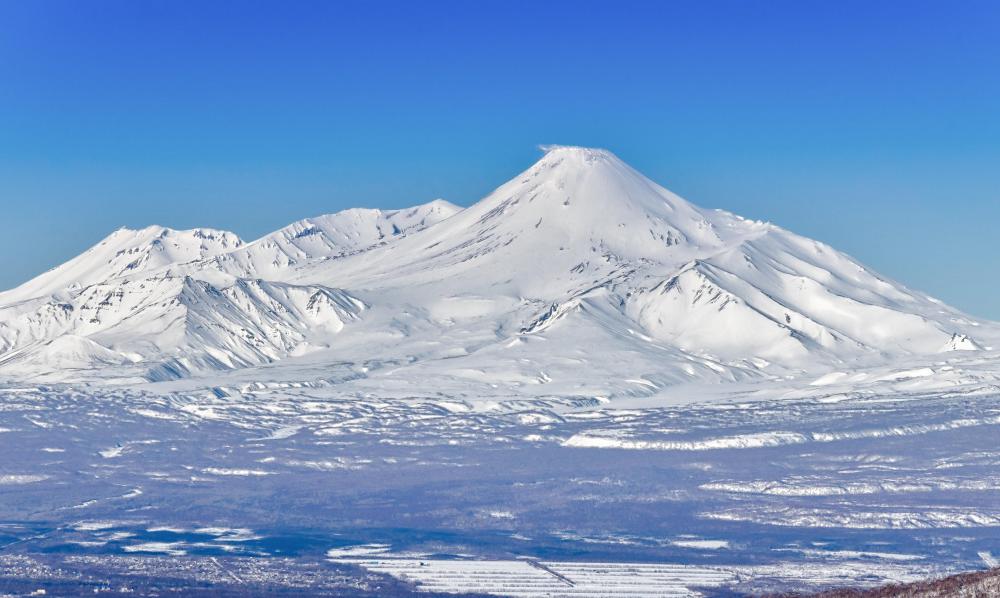
![Siberia is known for its permaforst and desolate landscape.]() By: simanovskiySiberia is known for its permaforst and desolate landscape.
By: simanovskiySiberia is known for its permaforst and desolate landscape.
Discussion Comments
Thawing permafrost helps speed up global warming, which is not a good thing. We’ve all heard that ice near the polar regions is melting. Along with it, permafrost that has been in place for centuries or longer is thawing as the Earth warms.
My dad works for a company funded by the government that is looking for ways to combat global warming. He told me that when permafrost thaws, carbon dioxide and methane are released into the air. When they get to the atmosphere, they hold the Earth’s heat in, and since it has nowhere to go, this heat makes additional permafrost thaw.
@lighth0se33 - The permafrost in Siberia has preserved more than just mammoths. I read that archaeologists found five well-preserved mummies wearing copper plates in the permafrost there. The copper had kept the bodies from oxidizing.
Other frozen Siberian finds include a princess covered in tattoos and a man holding a fur coat and wearing some sort of ornament on his head. It really makes me want to go there with some heavy excavating equipment.
Some people say we should not be disturbing the dead by excavating their remains. That may be true, but we sure do learn a lot about history by examining mummies.
I would hate to live in an area with permafrost. I love to grow my own fruits and vegetables, as well as flowers for decoration. I don’t think I could enjoy a life where I couldn’t work the soil.
People who prefer to stay indoors all the time don’t mind the permafrost. My cousin lives in an area that is perpetually cold, and she just doesn’t go outside except to go to her car.
She entertains herself by reading books, playing video games, cooking, and having friends over. Because she has never had the chance to work in a garden, she does not mind the permafrost one bit.
I read that permafrost has done a great job of preserving mammoths in Siberia. One young mammoth found frozen still had its eyes and trunk. I saw a picture of it, and at first, I thought it was a baby elephant that had just died.
It’s so common to find mammoths in the permafrost of Siberia that regular citizens excavate them to sell the tusks and fur. This is illegal, because any mammoths found there are supposed to be property of the government, but those who do find them make a huge profit.
It’s scary how permafrost can preserve entire creatures as big as mammoths. I wouldn’t be surprised if scientists one day find an entire city preserved in ice.
Post your comments