
At TheHealthBoard, we're committed to delivering accurate, trustworthy information. Our expert-authored content is rigorously fact-checked and sourced from credible authorities. Discover how we uphold the highest standards in providing you with reliable knowledge.
What is Periorbital Edema?
Periorbital edema is swelling of the tissues around the eyes due to the build up and accumulation of fluids. It is often not considered as a disease in itself, but rather as a sign of an underlying disorder. Individuals with problems in the kidneys, heart, and liver are at high risk for developing edema around the eyes as well as in other parts of the body, such as the legs and feet.
The accumulation of fluids around the eyes is frequently caused by several medical conditions. In congestive heart failure, for example, the heart’s inability to effectively pump out blood lessens the amount of blood supply to the kidneys. When lesser amounts of blood are going to the kidneys, the cells in the kidneys are often affected. This frequently results in the kidneys' inability to filter out water properly, thus leading to the accumulation of water in the tissues. Other conditions leading to periorbital edema are kidney failure, nephrotic syndrome, and liver diseases.

Nephrotic syndrome is a kidney disorder where patients have low levels of proteins in the blood because they are losing it through the urine. Children suffering from nephrotic syndrome often present with periorbital edema. Not all children with this condition, however, are suffering from nephrotic syndrome. Other causes in children include eye infections and allergy.

Swelling around the eyes is generally pronounced upon waking up, mostly because of the effect of gravity when lying down. It is often asymptomatic in nature, or do not usually show any symptoms. Some cases however, can become severe and interfere with normal eye opening and reduction of visual field. In such cases, the conjunctiva, or the white portion of the eye, often becomes red or inflamed. Inflammation of the eyes may lead to crusting, become painful, and cause difficulty in opening of the eyes after sleeping.

A heart doctor, kidney doctor or gastrointestinal doctor can manage patients with periorbital edema. Patients with periorbital edema are often subjected to a battery of tests to rule out the possibility of heart, liver, and kidney problems. Doctors often treat patients with periorbital edema by addressing the underlying disease first. They usually recommend reduction in the intake of foods rich in salt or sodium. Some patients are also given diuretics, a group of drugs that promote water excretion, in order to help the body get rid of the excess fluids.
AS FEATURED ON:
AS FEATURED ON:


-
![Periorbital edema refers to swelling of the tissues around the eyes.]() By: Dusan KosticPeriorbital edema refers to swelling of the tissues around the eyes.
By: Dusan KosticPeriorbital edema refers to swelling of the tissues around the eyes. -
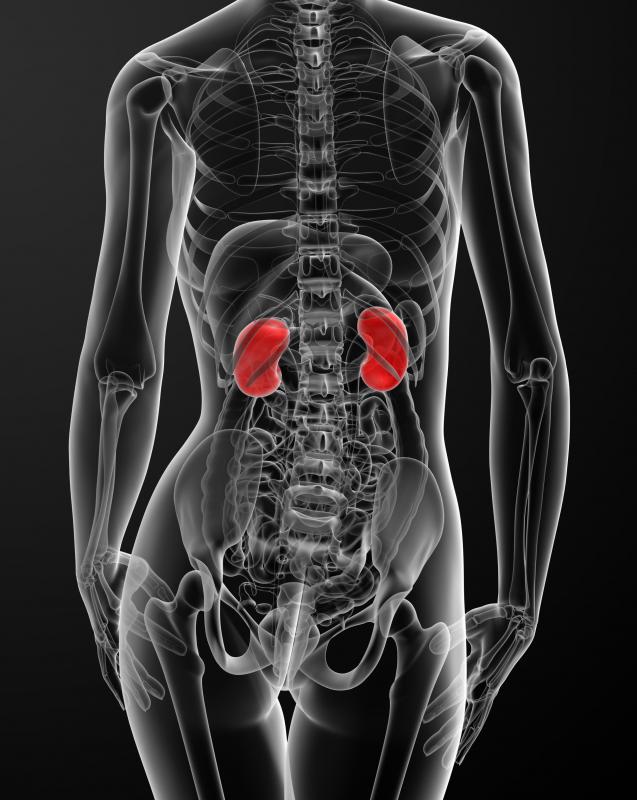
![People who have kidney, heart, or liver problems are at high risk for developing edema around the eyes.]() By: bluezacePeople who have kidney, heart, or liver problems are at high risk for developing edema around the eyes.
By: bluezacePeople who have kidney, heart, or liver problems are at high risk for developing edema around the eyes. -
![Kidney failure may cause periorbital edema.]() By: maya2008Kidney failure may cause periorbital edema.
By: maya2008Kidney failure may cause periorbital edema. -
![Individuals with heart problems are at high risk for developing edema around the eyes.]() By: Photographee.euIndividuals with heart problems are at high risk for developing edema around the eyes.
By: Photographee.euIndividuals with heart problems are at high risk for developing edema around the eyes. -
![Allergies may cause periorbital edema.]() By: IlikeAllergies may cause periorbital edema.
By: IlikeAllergies may cause periorbital edema.




Discussion Comments
@Telesyst - It is the condition that causes the appearance of bags under the eyes, yes.
As the article says, it may be more pronounced at different times of the day and can be helped by taking pills that reduce the amount of water build up in the body.
Is periorbital edema what causes some people to have more or less permanent bags under their eyes? Of is it swelling and redness in or near the eyes themselves?
Post your comments