
At TheHealthBoard, we're committed to delivering accurate, trustworthy information. Our expert-authored content is rigorously fact-checked and sourced from credible authorities. Discover how we uphold the highest standards in providing you with reliable knowledge.
What is Periodontal Disease?
Periodontal disease is the term used to describe either of two main diseases of the gums. In human anatomy, the periodontium is the part of the mouth that contains the gums, the crevices between the gums, and the teeth, the surface roots, connective tissues, and bone. The name periodontal disease is used for problems caused by an increase in bacteria or a change in bacteria that affects the gums.
Usually, a patient with gum disease is described as having either gingivitis or periodontitis. Gingivitis is a condition most people are familiar with and is characterized by red, swollen, and tender gums. It is often the cause of chronic bad breath as well. Periodontitis is a more progressive disease characterized by swollen gums and bleeding, the formation of deep pockets between the teeth and gums, and eventually the decay of the connective tissues, which results in tooth loss.

Periodontal disease is often a result of poor oral care and hygiene, though not always. In some cases, weakened immune systems or genetic disorders can result in chronic problems with the gums. A far more common cause is the long-term neglect of the teeth and gums. Harmful bacteria build up in the mouth, on the surface of teeth, and between the teeth and gums to form plaque. If plaque remains on the surface of the teeth and between the teeth and gums, it becomes a much harder substance called tartar.

In healthy mouths, the build up of plaque occurs naturally, but it is easily controlled by regular brushing and flossing and routine professional teeth cleanings. If the bacteria begin to increase, either due to neglect or to a medical condition, however, the tartar eventually destroys the gums and supporting structures. Periodontal disease occurs more frequently in people with diabetes, osteoporosis, herpes, and diseases that weaken the immune system. Other risk factors are preventable and include smoking and vitamin C deficiency. Short of poor oral hygiene, smoking is the leading preventable cause of gum disease.

In most cases, this disease is completely treatable under a dentist's care, so anyone who experiences any signs or symptoms, including swollen gums, bleeding gums, or pain or tenderness, should see a dentist. Taking good care of the teeth and gums can usually prevent this condition.
AS FEATURED ON:
AS FEATURED ON:


-
![Periodontal disease is characterized by swollen gums and bleeding.]() By: michaeljungPeriodontal disease is characterized by swollen gums and bleeding.
By: michaeljungPeriodontal disease is characterized by swollen gums and bleeding. -
![Regular cleanings and dental exams may help remedy periodontal disease.]() By: reborn55Regular cleanings and dental exams may help remedy periodontal disease.
By: reborn55Regular cleanings and dental exams may help remedy periodontal disease. -
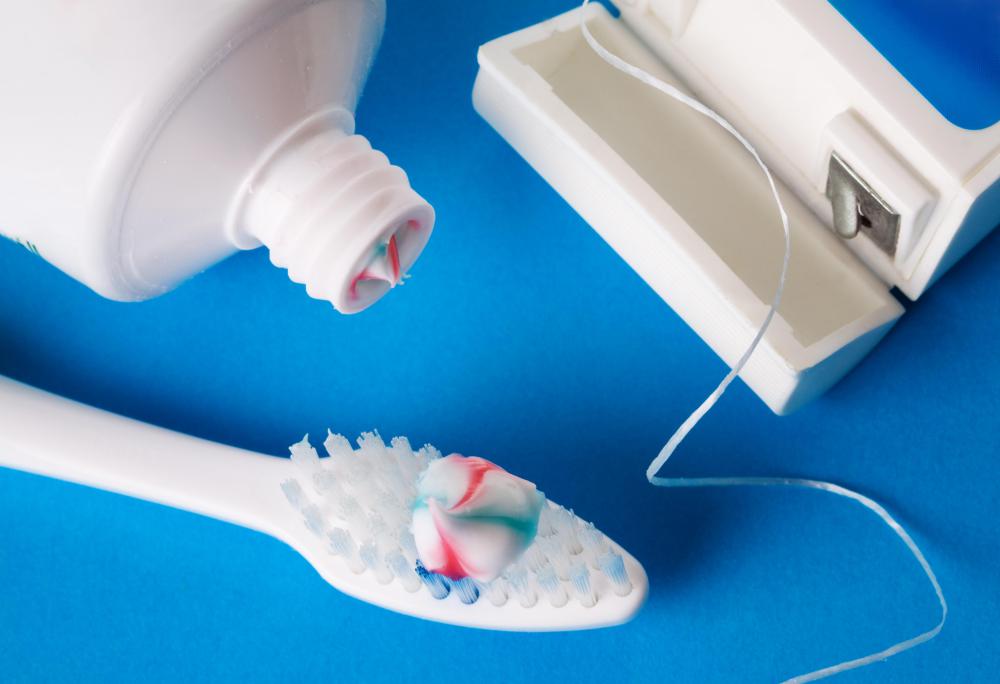
![Regular brushing and flossing can help to prevent periodontal disease.]() By: legaaRegular brushing and flossing can help to prevent periodontal disease.
By: legaaRegular brushing and flossing can help to prevent periodontal disease. -
![The hormonal changes experienced during pregnancy can cause periodontal disease.]() By: hartphotographyThe hormonal changes experienced during pregnancy can cause periodontal disease.
By: hartphotographyThe hormonal changes experienced during pregnancy can cause periodontal disease. -
![Periodontal disease is often the cause of chronic bad breath.]() By: stefanolunardiPeriodontal disease is often the cause of chronic bad breath.
By: stefanolunardiPeriodontal disease is often the cause of chronic bad breath. -
![Smoking can contribute to unhealthy gums and periodontal disease.]() By: Photographee.euSmoking can contribute to unhealthy gums and periodontal disease.
By: Photographee.euSmoking can contribute to unhealthy gums and periodontal disease. -
![Periodontal is easily treatable in most cases.]() By: yanmingzhangPeriodontal is easily treatable in most cases.
By: yanmingzhangPeriodontal is easily treatable in most cases. -
![Untreated periodontal disease may cause the lymph nodes to swell.]() By: Barabas AttilaUntreated periodontal disease may cause the lymph nodes to swell.
By: Barabas AttilaUntreated periodontal disease may cause the lymph nodes to swell.






Discussion Comments
More and more research confirms the fact that periodontal disease and and heart disease are linked together. If one disease is treated it also helps the other disease.
With that information it becomes so important to maintain a healthy mouth, not only for its own sake but also for the sake of the heart.
Post your comments