
At DelightedCooking, we're committed to delivering accurate, trustworthy information. Our expert-authored content is rigorously fact-checked and sourced from credible authorities. Discover how we uphold the highest standards in providing you with reliable knowledge.
What is Pavlova?
Pavlova is a dessert that consists of a meringue cake with a whipped cream topping, and often includes slices of fruit on top. It was invented in the 1920s or 1930s, and is named for the Russian ballerina, Anna Pavlova. Sources are in dispute over whether the dessert was actually invented in Australia or in New Zealand, however. Keith Money, in a biography of the ballerina, wrote that a chef in Wellington, New Zealand, created the dish in her honor when she visited the restaurant in 1926; descendants of Australian chef Bert Sachse claim that he originated the recipe.
Though the dessert is not very well known in the United States, pavlova is a common and popular dessert throughout Australia, New Zealand, and the United Kingdom. English celebrity chef, Nigella Lawson, has popularized it throughout the United Kingdom; she has various recipes for the dessert in her many cookbooks, including chocolate, passion fruit, and brown sugar pavlova. The dish is frequently served at upscale restaurants throughout Britain, Australia, and New Zealand, and can be bought individually at cake shops. A pre-cooked meringue shell can be purchased at grocery stores to be taken home and decorated.

Because pavlova is made primarily of egg whites and sugar, it is a relatively light and low-calorie dessert. When cooked properly, the outside of the meringue shell will be crunchy, with a marshmallow-like texture on the inside. The shell has a tendency to crack in cooking, but, because the entire cake is then covered in whipped cream, it should not be noticeable when the dish is served. Standard toppings include slices of strawberry, kiwi, raspberry, or peach.

It is possible to prepare pavlova a day in advance of serving, if cooks leave the meringue shell overnight in the oven after turning off the heat. When the cake has been decorated with whipped cream, it can be left in the refrigerator for a day or two; however, it will lose its crunchiness as the moisture from the cream soaks into the meringue shell.
AS FEATURED ON:
AS FEATURED ON:


-
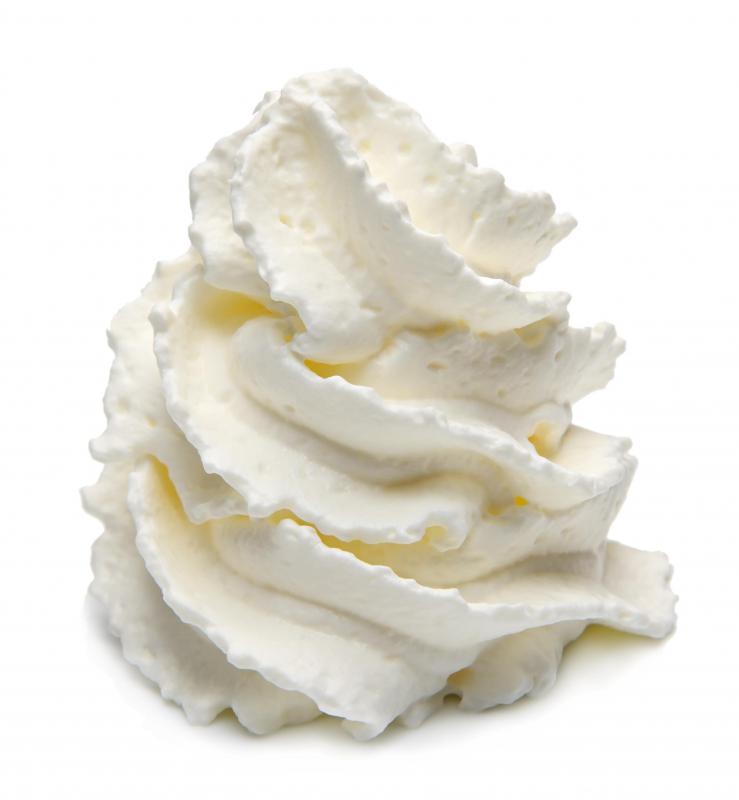
![Pavlova is a meringue cake with a whipped cream topping.]() By: gtranquillityPavlova is a meringue cake with a whipped cream topping.
By: gtranquillityPavlova is a meringue cake with a whipped cream topping. -
![Pavlova is a popular dessert throughout Australia.]() By: TupungatoPavlova is a popular dessert throughout Australia.
By: TupungatoPavlova is a popular dessert throughout Australia. -
![Pavlova is most common at upscale restaurants.]() By: Andres RodriguezPavlova is most common at upscale restaurants.
By: Andres RodriguezPavlova is most common at upscale restaurants.


Discussion Comments
Today's version of pavlova is different from the early versions started in the 20's to honor the famous ballerina. However, even today, there are several variations of the dish that New Zealanders claim as being theirs.
Post your comments