
At WiseGEEK, we're committed to delivering accurate, trustworthy information. Our expert-authored content is rigorously fact-checked and sourced from credible authorities. Discover how we uphold the highest standards in providing you with reliable knowledge.
What is Paralytic Polio?
 Mary McMahon
Mary McMahon
Mary McMahon
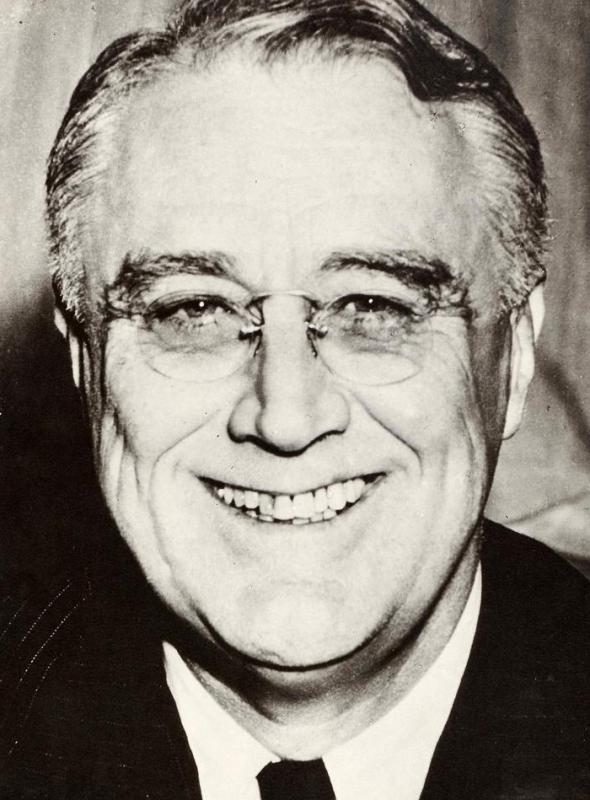
Paralytic polio is a serious form of poliomyelitis, an infection caused by the poliovirus. Because it is so severe, it has historically occupied a large share of the media coverage of polio. Some very notable historical figures have suffered from this condition, such as American President Franklin Delano Roosevelt. This form is actually quite rare, however, and it is steadily decreasing.
The poliovirus, which is very infectious, prefers the environment of the intestinal tract. Someone infected with the disease usually suffers from a mild form that will often resolve on its own, with around 95% of cases being classified as mild. In a few instances, however, the virus will be more aggressive, and in around 2% of cases, it develops into paralytic polio.

In these cases, the virus attacks the central nervous system. When only the spinal cord is affected, as in the vast majority of serious cases, it is known as spinal polio. When the brain stem is attacked, it is known as bulbar polio, and when both brain and spinal cord are involved, it is classified as bulbospinal polio. As the virus attacks the central nervous system, it causes paralysis and a host of complications.

The symptoms of paralytic polio include difficulty swallowing, trouble breathing, muscle aches, fever, stiffness, muscle weakness, tremors, and spasms. In some cases, the muscles that regulate respiration become paralyzed, in which case the patient needs to be put on an artificial ventilator so that he or she can breathe. Historically, patients often wound up in iron lungs, specialized negative pressure ventilators.

In 5 to 10% of cases, this illness kills. The mortality rate is higher in adults, in whom polio infections appear to be more severe. Many people suffer complications from paralytic polio, such as paralysis, malformed limbs, muscle weakness, and difficulty breathing. Physical therapy can greatly assist with these complications of the disease, making life more comfortable and enjoyable for the patient.

The great tragedy of polio is that is preventable through vaccination. In most regions of the world, herd immunity has been achieved through extensive vaccine coverage, making cases very rare. Some developing nations still have instances of polio, however, much to the frustration of healthcare workers who would like to eradicate this disease.
Mary McMahon
Ever since she began contributing to the site several years ago, Mary has embraced the exciting challenge of being a WiseGEEK researcher and writer. Mary has a liberal arts degree from Goddard College and spends her free time reading, cooking, and exploring the great outdoors.
Learn more...
Mary McMahon
Ever since she began contributing to the site several years ago, Mary has embraced the exciting challenge of being a WiseGEEK researcher and writer. Mary has a liberal arts degree from Goddard College and spends her free time reading, cooking, and exploring the great outdoors.
Learn more...AS FEATURED ON:
AS FEATURED ON:









-
![Franklin Delano Roosevelt suffered from paralytic polio.]()
Franklin Delano Roosevelt suffered from paralytic polio. -
![Symptoms of paralytic polio may include muscles aches and stiffness.]() By: morgankaSymptoms of paralytic polio may include muscles aches and stiffness.
By: morgankaSymptoms of paralytic polio may include muscles aches and stiffness. -
![Symptoms of paralytic polio may include fever.]() By: evgenyatamanenkoSymptoms of paralytic polio may include fever.
By: evgenyatamanenkoSymptoms of paralytic polio may include fever. -
![Individuals with paralytic polio may experience difficulty swallowing.]() By: trioceanIndividuals with paralytic polio may experience difficulty swallowing.
By: trioceanIndividuals with paralytic polio may experience difficulty swallowing. -
![Paralytic polio can be prevented by vaccination.]() By: Alexander RathsParalytic polio can be prevented by vaccination.
By: Alexander RathsParalytic polio can be prevented by vaccination. -
![Polio may worsen to the point where a patient needs a ventilator to breathe.]() By: sudok1Polio may worsen to the point where a patient needs a ventilator to breathe.
By: sudok1Polio may worsen to the point where a patient needs a ventilator to breathe.





Discussion Comments
@Lostnfound -- Makes me grateful polio immunization is so common, and that an effective vaccine was developed for it. I don't think I've ever seen anyone who was afflicted with paralytic polio, except for President Franklin Roosevelt. I don't think I've ever met anyone in person who was.
I remember my mom telling me about a polio scare in the 30s. To keep it from spreading, schools were canceled, theaters closed and even churches canceled their services. People were encouraged to stay home and not congregate in large crowds. This lasted for about a week, until no more new cases were reported in the area.
She said people were really very frightened about the situation.
Post your comments