
At WiseGEEK, we're committed to delivering accurate, trustworthy information. Our expert-authored content is rigorously fact-checked and sourced from credible authorities. Discover how we uphold the highest standards in providing you with reliable knowledge.
What is Paraffin Wax?
Paraffin wax is a solid form of paraffin, a specific type of alkane hydrocarbon. It is used in a wide range of everyday applications, most notably in common candles. This wax also sees a great deal of use in industrial applications, and it is present in everything from the Lunar Rover to drywall. It is also found in many foods, where it is used as a preservative, so it is present in many ingredient lists, and even in some recipes.
The definition of paraffin wax is based largely on its physical state, with it having to be in a solid form. It can stay a solid at anything cooler than 147°F (64°C), although, depending on circumstances, it may be liquid at anything hotter than 116°F (47°C). The wax has no taste and no smell, and is a clean white color. It burns steadily and easily, making it ideal for candles, although it does not burn as hot as beeswax.

Unlike beeswax, paraffin also becomes quite brittle when it solidifies, and breaks and cracks easily. For this reason, it is rarely used in lost wax casting at a fine art level. It is sometimes combined with other agents to make it somewhat smoother and sold as a cheaper casting wax for non-fine art purposes, such as industrial casting.
In drywall, paraffin wax acts as a sort of heat sink during the day. It stores a great deal of heat, and so is added to the drywall when the that product is created. On hot days, the wax liquefies, storing up the heat that comes from the sun. At night, as it cools, it solidifies and releases the heat back into the house, helping to keep the thermal mass at a relatively constant temperature. This phase change cooling system is also sometimes used in electronic devices, most notably on the Lunar Rover to keep the expensive components at a safe temperature in the low-gravity environment of the moon.

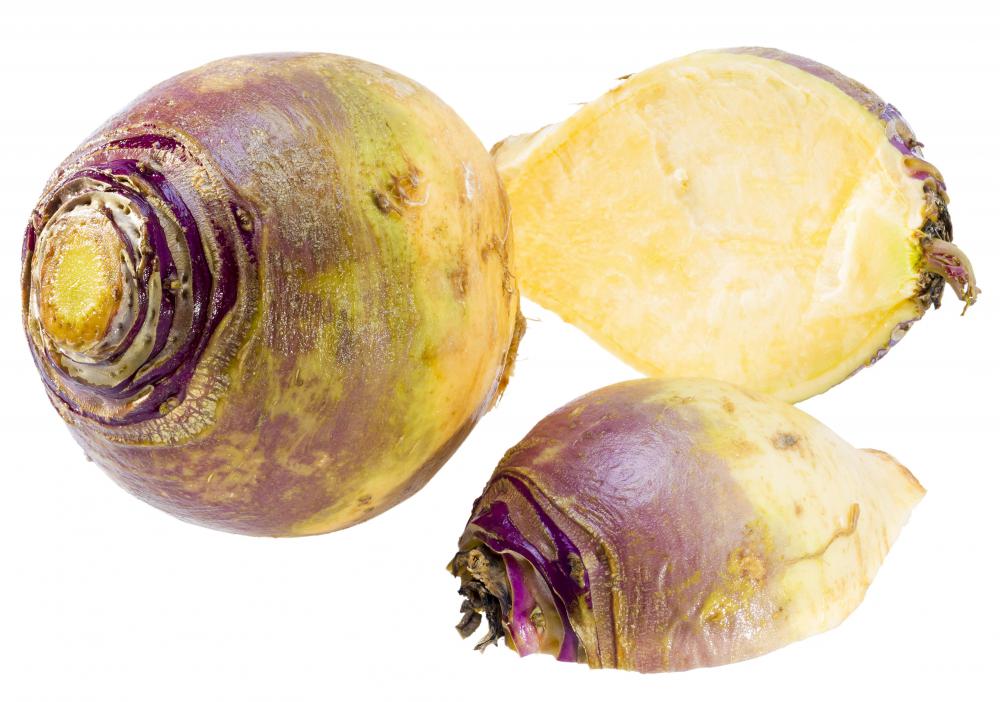
Like many waxes, paraffin is edible, although it has no real taste or scent. It is added to foods as a preservative and to make them more attractive. Many chocolates and sweets, for example, contain this wax to give the candy a shiny coating. The wax also stops moisture from leaving the coated candy, keeping the pieces moist and less likely to spoil in unrefrigerated conditions. Cooks who use it in home baking or confectionary should make sure that they purchase food-grade wax, as the type used for candles or industrial applications may have additives that should not be eaten.

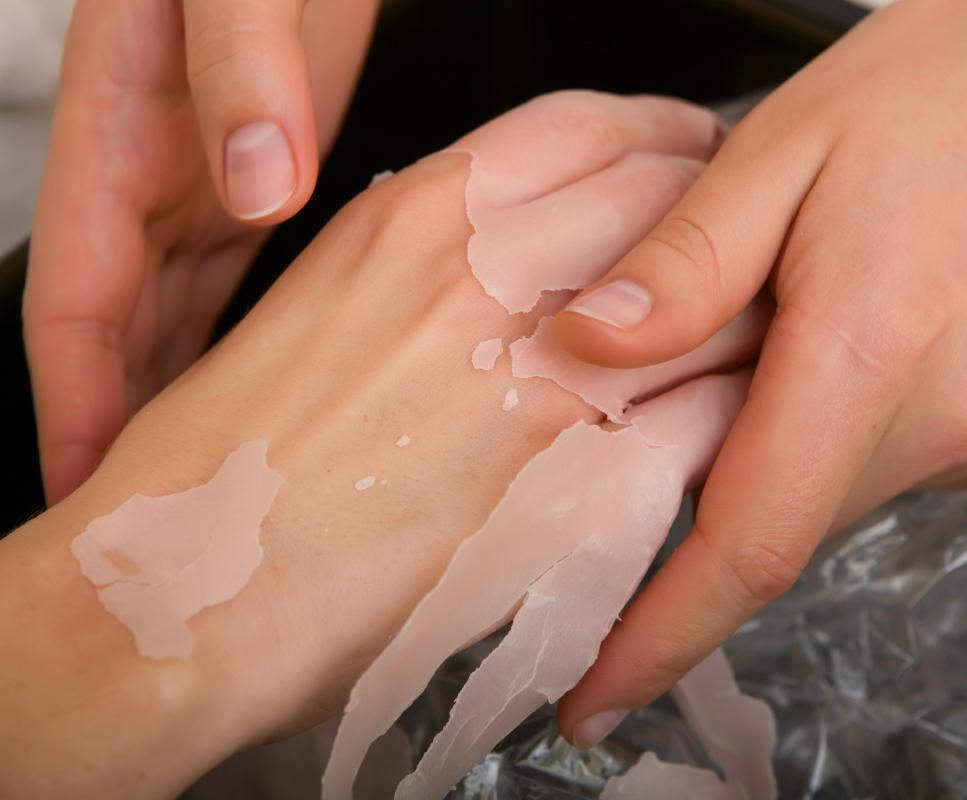
In spas, paraffin wax is sometimes used as a skin treatment to soften the skin and add moisture to it. Usually, a paraffin treatment will be applied on the feet or hands, often in conjunction with a pedicure or manicure. Paraffin is preferable to other waxes because of its low melting point, which means that hands and feet can be submerged in the liquid without any risk of blistering or scalding taking place. The material increases circulation through the skin, and helps lock in the body’s natural moisture.
AS FEATURED ON:
AS FEATURED ON:









-
![A manicurist giving a person a paraffin wax treatment.]() By: CouperfieldA manicurist giving a person a paraffin wax treatment.
By: CouperfieldA manicurist giving a person a paraffin wax treatment. -
![A woman dipping her hand in melted paraffin.]() By: muehlbergA woman dipping her hand in melted paraffin.
By: muehlbergA woman dipping her hand in melted paraffin. -
![The shiny coating on a rutabaga is paraffin, which preserves the vegetable by sealing in moisture.]() By: snyferThe shiny coating on a rutabaga is paraffin, which preserves the vegetable by sealing in moisture.
By: snyferThe shiny coating on a rutabaga is paraffin, which preserves the vegetable by sealing in moisture. -
![Paraffin is a frequent ingredient in chocolate candy.]() By: Nenov BrothersParaffin is a frequent ingredient in chocolate candy.
By: Nenov BrothersParaffin is a frequent ingredient in chocolate candy. -
![Unlike beeswax, paraffin wax becomes brittle when it solidifies, and cracks easily.]() By: Irina PriymenkoUnlike beeswax, paraffin wax becomes brittle when it solidifies, and cracks easily.
By: Irina PriymenkoUnlike beeswax, paraffin wax becomes brittle when it solidifies, and cracks easily. -
![Paraffin wax is used in candle making.]() By: verdateoParaffin wax is used in candle making.
By: verdateoParaffin wax is used in candle making. -
![A paraffin wax treatment may help prevent cracking of the skin on the hands due to dryness.]() By: Tiler84A paraffin wax treatment may help prevent cracking of the skin on the hands due to dryness.
By: Tiler84A paraffin wax treatment may help prevent cracking of the skin on the hands due to dryness.



Discussion Comments
Is paraffin gel OK to use on skin? Does it absorb in the blood stream?
Post your comments