
At PracticalAdultInsights, we're committed to delivering accurate, trustworthy information. Our expert-authored content is rigorously fact-checked and sourced from credible authorities. Discover how we uphold the highest standards in providing you with reliable knowledge.
What is Osteopathy?
 Mary McMahon
Mary McMahon
Mary McMahon
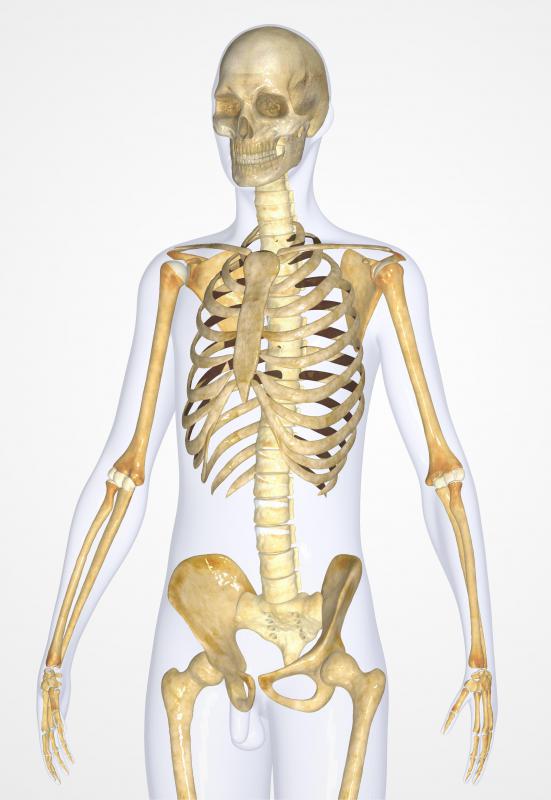
Osteopathy is a branch of the healthcare field which is concerned with the body as a whole, and the interaction of the structures within it, especially the musculoskeletal system. As the “osteo” in osteopathy suggests, the bones of the body are of particular interests to osteopathic physicians. Osteopathy is practiced all over the world, and it is an incredibly varied medical field: in the United States, for example, osteopathy is technically known as osteopathic medicine, and osteopathic physicians are licensed physicians, while in other regions, they can offer varying degrees of medical treatment, but they do not have the prescribing rights associated with a medical degree.
This discipline emerged in the late 1800s, and it is considered the invention of Andrew Taylor Still, a doctor who worked during the Civil War. During his period as a military doctor and surgeon, Still found himself disappointed with the state of medicine, seeking for some additional piece of the puzzle which could help his charges recover more quickly. Over time, he developed osteopathy, in the belief that disturbances in the alignment and health of the skeletal system and its supporting muscle tissue could cause a variety of health problems.

According to the principles of osteopathy, the body is a unit, and it should be considered as a whole when evaluating health problems and embarking on a course of treatment. Osteopathic physicians also believe that the body has an innate ability to repair and defend itself, thanks to centuries of evolution, but when the body is disrupted, it may not be able to protect itself. The movement of body fluids is also an important aspect of osteopathy, as is the idea that all of the structures in the body have specific and clear functions which should be addressed in medical treatment.

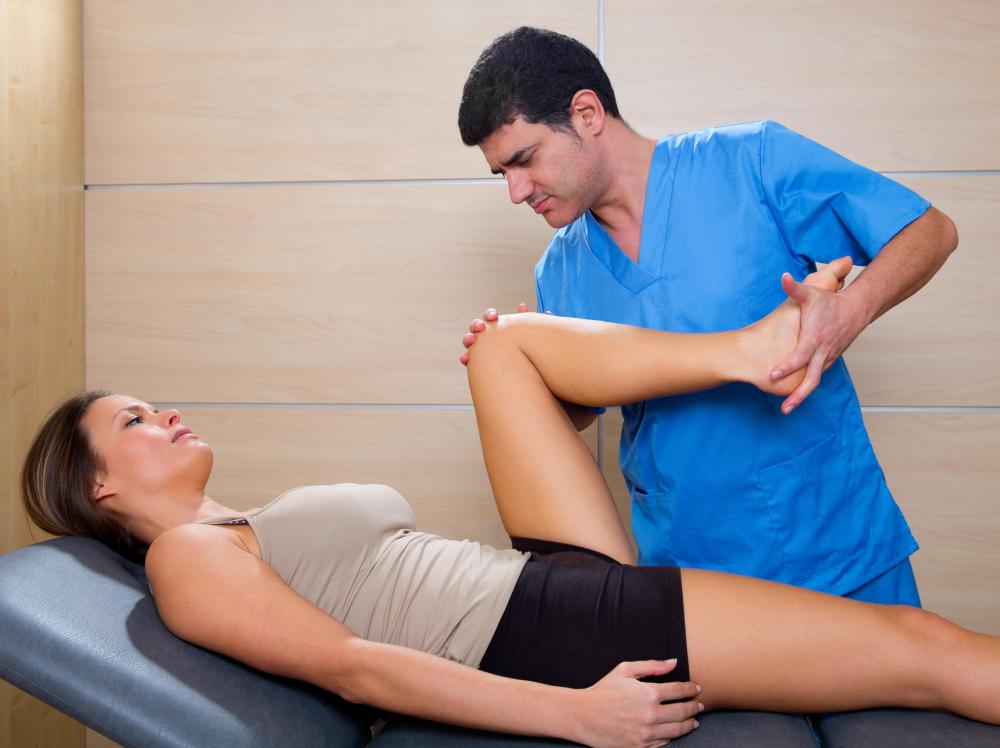
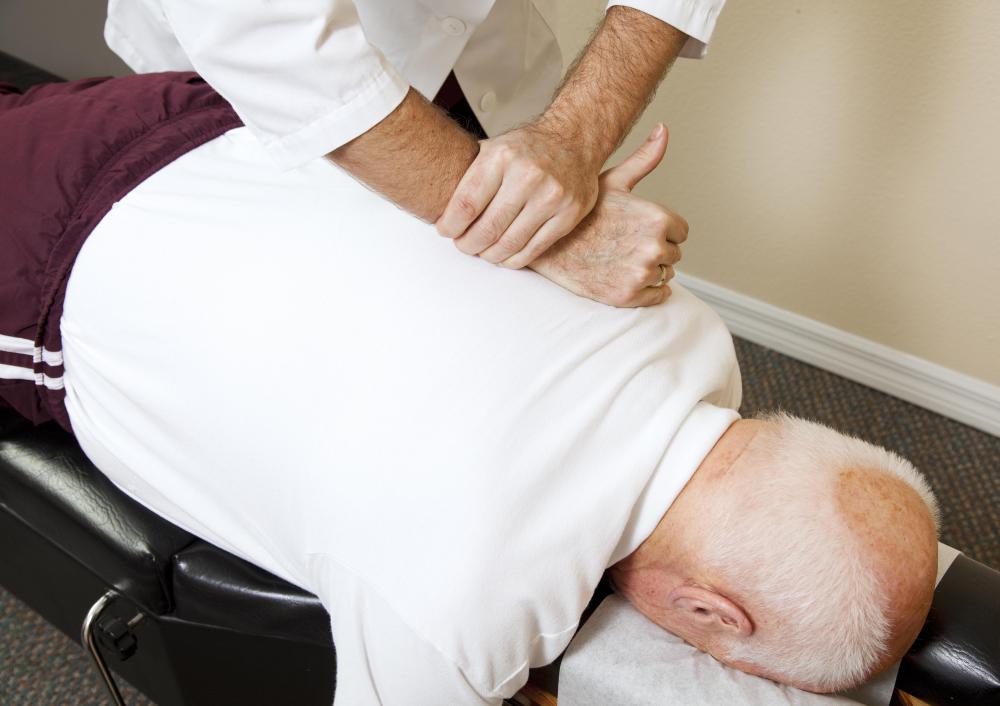
Osteopathic physicians specialize in a technique which is known as osteopathic manipulative medicine (OMM) or sometimes osteopathic manipulative therapy (OMT). Much like chiropractors, osteopathic physicians use subtle adjustments of the bones and body to try and free the flow of energy in the body, in the hopes of clearing up the patient's problem. Osteopathic physicians also talk to their patients about their lifestyles and goals, working with their patients to keep their bodies healthy and in shape so that they will not get sick.

Some people think of osteopathy as a form of alternative medicine, but it could be better classified as complementary medicine. Osteopathic physicians will not, for example, attempt to cure gangrene by manipulating the bones in the region, but they may use OMM as part of an allergy treatment plan. In the United States, where osteopathic physicians are treated as medical physicians, osteopathy is very similar to allopathic medicine, with osteopathic physicians simply having a more holistic view towards medical treatment. In regions where osteopathic physicians are still separate from the traditional medical community, they may be more active when it comes to manipulations and working with other complementary medicine providers.
Mary McMahon
Ever since she began contributing to the site several years ago, Mary has embraced the exciting challenge of being a PracticalAdultInsights researcher and writer. Mary has a liberal arts degree from Goddard College and spends her free time reading, cooking, and exploring the great outdoors.
Learn more...
Mary McMahon
Ever since she began contributing to the site several years ago, Mary has embraced the exciting challenge of being a PracticalAdultInsights researcher and writer. Mary has a liberal arts degree from Goddard College and spends her free time reading, cooking, and exploring the great outdoors.
Learn more...AS FEATURED ON:
AS FEATURED ON:


-
![Osteopaths manipulate the body in the hopes of releasing the flow of energy in the body.]() By: lunamarinaOsteopaths manipulate the body in the hopes of releasing the flow of energy in the body.
By: lunamarinaOsteopaths manipulate the body in the hopes of releasing the flow of energy in the body. -
![Osteopathic manipulative medicine often focuses on the structural problems of the spinal column.]() By: Lisa F. YoungOsteopathic manipulative medicine often focuses on the structural problems of the spinal column.
By: Lisa F. YoungOsteopathic manipulative medicine often focuses on the structural problems of the spinal column. -
![Osteopathic physicians are licensed doctors who are board certified in their medical specialty.]() By: s_lOsteopathic physicians are licensed doctors who are board certified in their medical specialty.
By: s_lOsteopathic physicians are licensed doctors who are board certified in their medical specialty. -
![Osteopathy is concerned with the body as a whole.]() By: 7activestudioOsteopathy is concerned with the body as a whole.
By: 7activestudioOsteopathy is concerned with the body as a whole. -
![Some patients who have received spinal adjustments have reported a reduction in nasal congestion.]() By: florinopreaSome patients who have received spinal adjustments have reported a reduction in nasal congestion.
By: florinopreaSome patients who have received spinal adjustments have reported a reduction in nasal congestion. -
![Osteopathic physicians make subtle adjustments to the bones to reduce pain in various areas of a patient's body.]() By: jovanmandicOsteopathic physicians make subtle adjustments to the bones to reduce pain in various areas of a patient's body.
By: jovanmandicOsteopathic physicians make subtle adjustments to the bones to reduce pain in various areas of a patient's body. -
![Practitioners of osteopathy believe disturbances in the skeletal system and its supporting muscle tissue can cause a variety of health problems.]() By: OlePractitioners of osteopathy believe disturbances in the skeletal system and its supporting muscle tissue can cause a variety of health problems.
By: OlePractitioners of osteopathy believe disturbances in the skeletal system and its supporting muscle tissue can cause a variety of health problems.




Discussion Comments
Actually, osteopathic medicine (the D.O. degree) is precisely analogous to allopathic medicine (the M.D. degree), in that doctors of osteopathic medicine perform surgery, prescribe drugs, and are completely indistinguishable from their M.D. counterparts except in name only.
Osteopathy and allopathy are two forms of medicical education in the US that both result in a doctor of medicine degree.
Osteopathy is not compltementary medicine. It is medicine: surgeons, primary care, specialists.
Post your comments