
At DelightedCooking, we're committed to delivering accurate, trustworthy information. Our expert-authored content is rigorously fact-checked and sourced from credible authorities. Discover how we uphold the highest standards in providing you with reliable knowledge.
What is Orzo?
 Mary McMahon
Mary McMahon
Mary McMahon
Orzo is the Italian word for “barley.” In Italy, the word can of course refer to the grain itself, but might also describe a beverage made from roasted barley or a wheat-based pasta that looks like barley. The term is almost always used for pasta in other parts of the world, though orzo pasta is also called risoni in some places. Its small shape makes it a popular addition to soups and stews, and it can also be prepared as a pilaf in much the same way that rice could be.
Basic Appearance and Taste

Most orzo pasta is made with semolina flour, which many cooks describe as a somewhat “hard” substance. Semolina is usually made from the denser parts of the wheat berry, which gives it something of a firm bite and also helps it hold its shape during cooking. Pastas made with more standard white flour often become quite soft as they boil, growing limp and somewhat floppy in most cases. Orzo becomes chewier, but usually maintains its shape and firmness.
Variations

Some manufacturers make whole wheat variations, which have a denser, nuttier flavor in addition to the added health benefits that come with whole grains like improved fiber content and more protein. In many cases it’s also possible to find flavored versions, usually tomato or spinach; these usually come in different colors like pink or green. People can combine different flavors to create dishes that are not only complex in taste but also visually appealing.
Popular Preparations

This pasta shape is very popular in soups and stews, largely because of how easily it absorbs liquid. Cooks use it to add bulk and interest to otherwise ordinary broths, and it often takes on the flavor of vegetables and meats that is simmers with. It is usually added dry, then left to cook alongside other ingredients. Cooking the pasta in the soup saves the trouble of straining, which can be something of a challenge because of how small each piece is. Many strainers and colanders have holes big enough that even fully cooked pieces can slip through.

Orzo can of course also be prepared on its own, often as a pilaf or casserole, though chefs typically serve these dishes as small plates because of how thick and intense they are. The “grains” often bind together when cooked alone and can be very rich, particularly if combined with cream sauces or cheese. Many food experts compare pilaf-like dishes to risotto, an Italian rice preparation with a similar density.
Where to Find It

Many markets and grocery stores carry dried orzo in their pasta section, and it is considered a “standard” shape by most North American and European manufacturers. It can also be purchased fresh from delicatessens or specialty shops in many places. Pasta purists often argue that fresh is best, at least when it comes to getting the maximum flavor and best texture, though dried versions are often comparable and have the added bonus of staying fresh for longer, at least until they’re cooked. Dried pasta also transports better, making it possible to buy products that were made in Italy as far away as Australia or the United States.

The pasta can also be made from scratch in many cases, and home cooks often add herbs or other spices to make their versions more unique. Getting the shape right can be something of a challenge, though; rolling each “grain” by hand is often very time consuming. People who are serious about pasta making often invest in an extruder, a tool that shapes dough into small grains quickly and consistently.
Storage and Shelf Life
Dried orzo, like most pastas, will keep almost indefinitely when stored in a cool, dark place. Cooks can use what they need and put the rest in a cupboard or on a shelf; refrigeration is not required, though it is often a good idea for people to keep unused portions in an airtight container. Fresh pasta, on the other hand, must usually be cooked and consumed within a few days. These versions should be refrigerated, as leaving them at room temperature can encourage the growth of harmful bacteria.
Common Substitutions
This pasta is very closely related to couscous, a Middle Eastern food made by crumbling wheat dough into small pieces, and the two can be used interchangeably in many dishes. Rice, barley, and other grains can also make good substitutions or additions, particularly for cooks looking to change the texture or taste of the resulting dish.
Nutritional Considerations
Traditional semolina-based orzo is usually considered a simple carbohydrate, much as any other pasta. Many stores sell it as a “specialty” item, and it often features prominently in a number of “healthy living” dishes. Most food scholars agree that there is nothing about orzo that is more or less healthful than any other wheat-based pasta, however. People who want to make their meals more nutritious often choose whole wheat versions, or combine the pasta with other whole grains that don’t feature refined flour.
Mary McMahon
Ever since she began contributing to the site several years ago, Mary has embraced the exciting challenge of being a DelightedCooking researcher and writer. Mary has a liberal arts degree from Goddard College and spends her free time reading, cooking, and exploring the great outdoors.
Learn more...
Mary McMahon
Ever since she began contributing to the site several years ago, Mary has embraced the exciting challenge of being a DelightedCooking researcher and writer. Mary has a liberal arts degree from Goddard College and spends her free time reading, cooking, and exploring the great outdoors.
Learn more...AS FEATURED ON:
AS FEATURED ON:


-
![Orzo pasta.]() By: Bert FolsomOrzo pasta.
By: Bert FolsomOrzo pasta. -
![Orzo with mushrooms.]()
Orzo with mushrooms. -
![Orzo salad including tomatoes, yellow peppers and onions.]()
Orzo salad including tomatoes, yellow peppers and onions. -
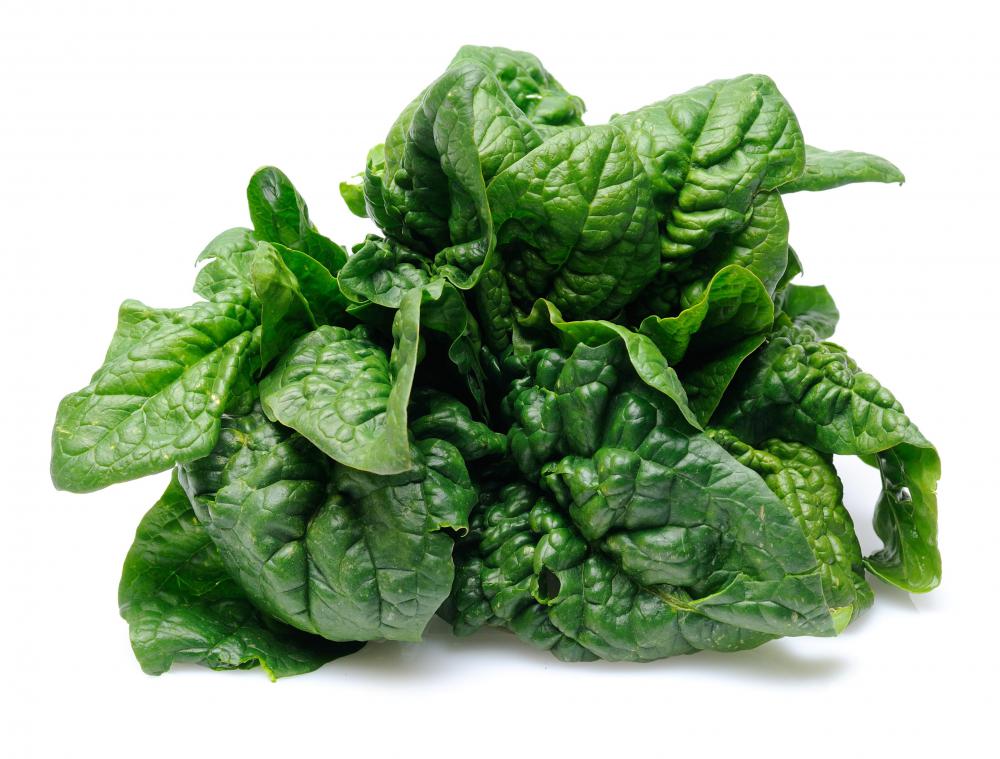
![Spinach, which can be served with orzo.]() By: Alessio ColaSpinach, which can be served with orzo.
By: Alessio ColaSpinach, which can be served with orzo. -
![Whole wheat variations are typically more nutritious.]() By: PrintempsWhole wheat variations are typically more nutritious.
By: PrintempsWhole wheat variations are typically more nutritious. -
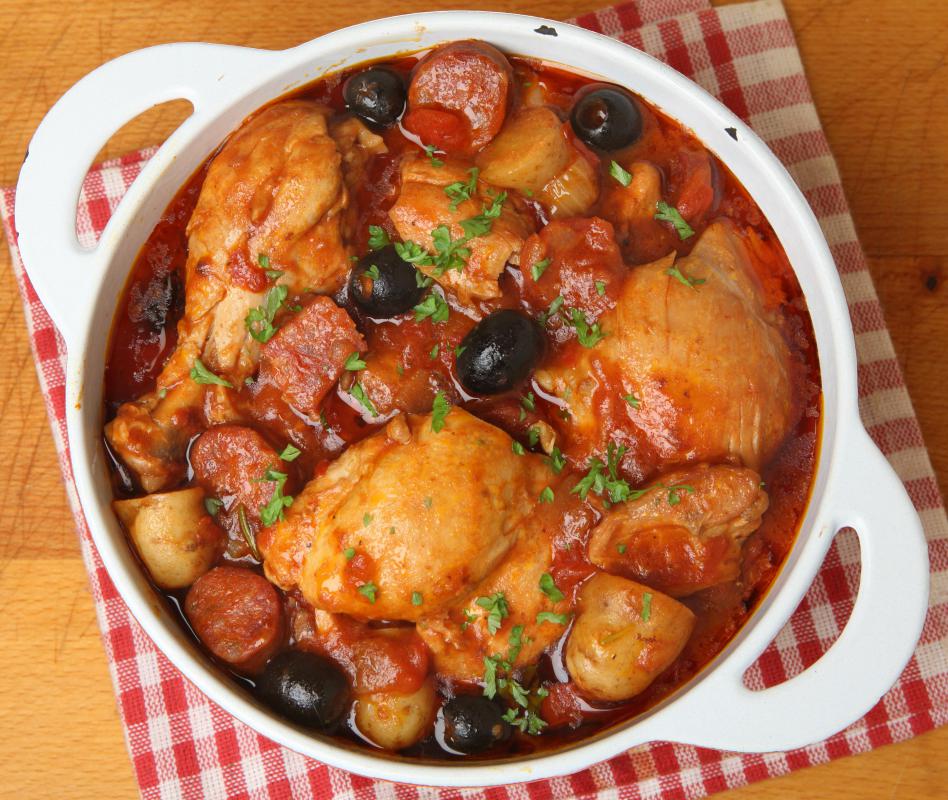
![Chicken cacciatora is often served orzo to soak up the sauce.]() By: Joe GoughChicken cacciatora is often served orzo to soak up the sauce.
By: Joe GoughChicken cacciatora is often served orzo to soak up the sauce.



Discussion Comments
I have found that orzo works well as a bed for things like broiled fish and chicken breasts. It covers the same foundational territory as rice, but in some ways may be easier to cook. All of the seasonings and juices from the meat get absorbed by the orzo and it becomes more of a side dish over time. Because it looks so much like rice, the temptation is often there to treat it like rice. It doesn't always work out.
Do you cook it like rice?
Orzo is the same as risoni. In australia it is called risoni unless you get the greek import! Quinoa or wholewheat pastas are your better choice nutritionally, however the occasional meal with a small amount of pasta on the side wouldn't hurt you if you are not gluten intolerant or trying to lose weight!
I found it in my grocery store's pasta aisle, on the bottom. It comes in a small box.
where would one find whole wheat orzo? I've been looking, it seems, forever but cannot find it.
quinoa is amazingly healthy for you. it is the only grain that is also a complete protein. orzo is a pasta, so it has the same nutritional benefits and downfalls as such.
if you have a choice, whole grain, whole wheat, multi-grain options are much better. not only do they add more depth of flavor, but they are also more healthy for you. they are made with grains that are better for your body than white flours that regular pastas are made of.
Orzo is a type of pasta, so it's not any healthier than regular pasta. If you want a healthy substitute, go for whole wheat orzo.
Am very new to the cooking scene. is risoni a good substitute for orzo? I cannot seem to find it in most supermarkets where i live. Would appreciate any info.
I have a question about the nutritional value of orzo? I love orzo, and thought it was a healthy substitute for regular pasta, but now I am confused about that. Can anyone tell me?
Also couscous and quinoa I have been buying them at a health food store, but are they not so healthy?
Thank you so much for any info.
A nice substitute for rice.
Post your comments