
At DelightedCooking, we're committed to delivering accurate, trustworthy information. Our expert-authored content is rigorously fact-checked and sourced from credible authorities. Discover how we uphold the highest standards in providing you with reliable knowledge.
What is Oleic Acid?
 Tricia Christensen
Tricia Christensen
Tricia Christensen
Oleic acid is a monounsaturated fatty acid found naturally in many plant sources and animal products. It is an omega-9 fatty acid, and as such is considered one of the healthier sources of fat in the diet. Health experts often recommend using it in cooking, and a number of so-called health foods and diet products will use this compound in place of animal fats.
Where It’s Found

One of the chief sources of this acid in foods is olive oil. Whole olives also contain the compound, but typically only in trace amounts. When pressed and drained together, however, the olives' acid levels are combined, leading to high concentrations in most cases. Canola and grapeseed oil also contain oleic acid.
Many nuts and seeds contain the fat as well, and it can also also be found readily in most poultry, particularly chicken and turkey. Isolating it from animal sources is often somewhat challenging, however. While vegetables and nuts usually contain oleic acid as the primary fat, most meats contain a combination of both saturated and monounsaturated elements.

Oleic acid has the molecular formula C18H34O2 and is usually found trapped in triglycerides, which are lipids closely connected to oil secretion and production. Blood triglycerides help the liver isolate fat and glucose, and are often responsible for the secretion of skin oils. In vegetables and plants, they occur as a means of providing nutrition and sustenance. Scientists sometimes isolate oleic acid from triglycerides in order to conduct health research, but most of the time, the compound is sought after for its health benefits.
Health Benefits

Most experts agree that oleic acid is one of the better fats for humans to consume. It can lower total cholesterol levels by raising blood concentrations of high-density lipoproteins while reducing low-density lipoproteins, also known as the “bad” cholesterol. It has been shown to slow the development of heart disease and also promotes the production of antioxidants, elements that can help trap harmful free radicals in the body.
Use in Foods

Food manufacturers often capitalize on the health benefits of this fat by adding it to salad dressings, baked goods, and a range of prepared foods, usually as a replacement for animal fats like butter or lard. It is often a key ingredient in commercial egg substitutes, as well.
Use in Supplements and Medicines
The acid is often part of homeopathic treatments for lowering cholesterol. Depending on the medical expert and the patient’s needs, it may be prescribed in capsule form or patients may simply be advised to add more natural sources to their diets. Oleic acid is also a key ingredient in Lorenzo’s oil, a medication developed to prevent the onset of adrenoleukodystrophy (ALD). ALD is a degenerative condition in which the myelin sheaths of the body’s central nervous system wear down, causing symptoms similar to those seen in multiple sclerosis. This condition usually only occurs in young boys, and while Lorenzo’s oil is not a cure, it can delay onset or progression of the disease in many cases.
Side Effects and Possible Health Concerns

Just because the compound occurs in nature does not mean that it is universally safe to consume in large quantities. In most cases, the amounts that are found in foods are considered safe. Problems more often come when people try to self-diagnose with over-the-counter supplements or fatty acid capsules.
There are few known overdose risks, but consuming too much of the acid can actually have a number of negative health consequences. The acid is a good fat, but it is a fat just the same. Most medical professionals discourage people from adding high doses of this or any other supplement to their diets without first going over the pros and cons with a trained medical expert.
Use in Cosmetics
Oleic acid’s high lipid count makes it a great moisturizer, and a number of cosmetic companies add it to lotions and soaps in order to boost their ability to nourish the skin. The acid is often able to penetrate past the outer skin layer, which leads to a much longer-lasting and more intense moisture. While standard lotions and creams may simply sit on the top of the skin, those made with omega-9 fatty acids typically go much deeper, producing more satisfying results — and often commanding a higher price.
Role in the Insect World
Scientists who study bee and ant colonies have discovered that oleic acid may also play a key role in warning colony members of death or coming danger. Most bee and ant species secrete the acid as a pheromone, which is a type of hormone that is detected by smell. When they die, their corpses tend to emit high levels of this pheromone, possibly as a warning to others. If the insect died because of something it ate or some other danger in the area, the acid’s smell will serve as a warning to others to stay away. It may also be a signal for colony members to come and collect the corpse, a common practice in species that perform group rituals for fallen members.
Tricia Christensen
Tricia has a Literature degree from Sonoma State University and has been a frequent DelightedCooking contributor for many years. She is especially passionate about reading and writing, although her other interests include medicine, art, film, history, politics, ethics, and religion. Tricia lives in Northern California and is currently working on her first novel.
Learn more...
Tricia Christensen
Tricia has a Literature degree from Sonoma State University and has been a frequent DelightedCooking contributor for many years. She is especially passionate about reading and writing, although her other interests include medicine, art, film, history, politics, ethics, and religion. Tricia lives in Northern California and is currently working on her first novel.
Learn more...AS FEATURED ON:
AS FEATURED ON:


-
![Olive oil is one of the best sources of oleic acid.]() By: volffOlive oil is one of the best sources of oleic acid.
By: volffOlive oil is one of the best sources of oleic acid. -
![Grapeseed oil, which contains oleic acid.]() By: AnsonGrapeseed oil, which contains oleic acid.
By: AnsonGrapeseed oil, which contains oleic acid. -
![Olives and tapenade contain oleic acid.]() By: Richard VillalonOlives and tapenade contain oleic acid.
By: Richard VillalonOlives and tapenade contain oleic acid. -
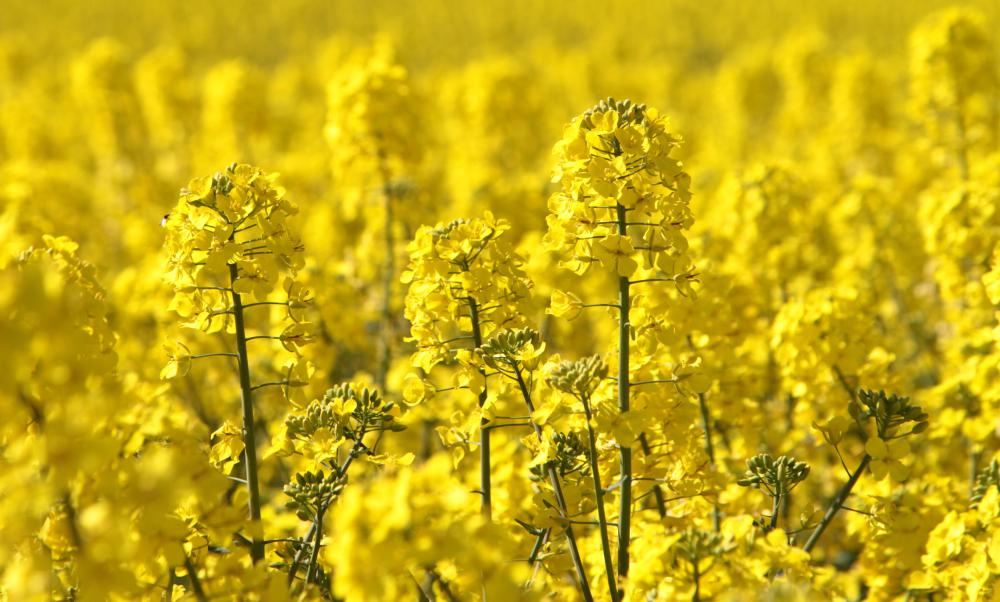
![Oil produced from canola contains oleic acid.]() By: Hayati KayhanOil produced from canola contains oleic acid.
By: Hayati KayhanOil produced from canola contains oleic acid. -
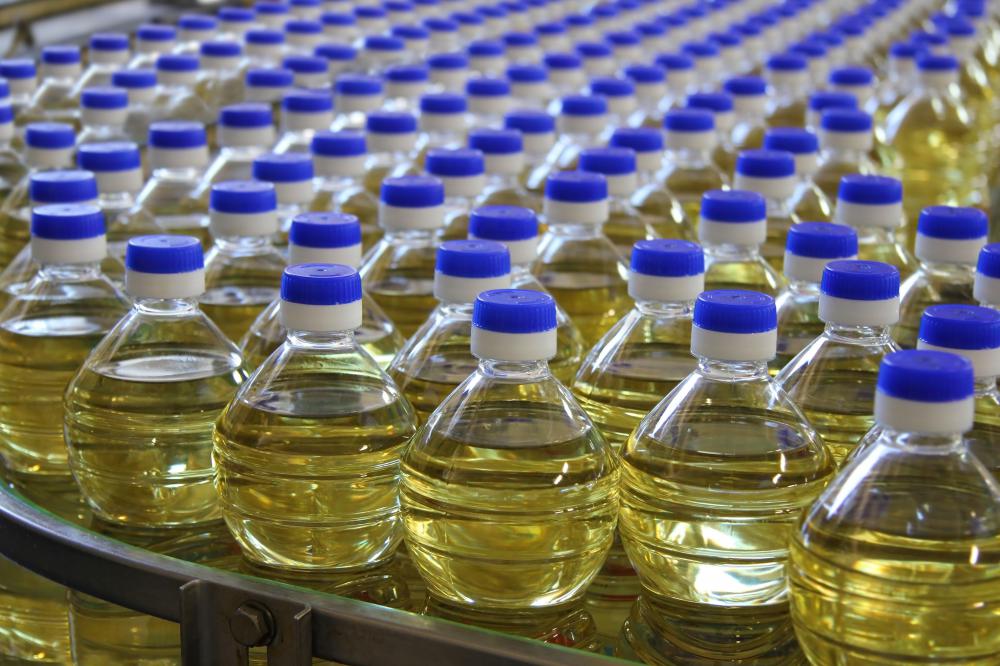
![Widely viewed as one of the healthiest types of cooking oil, canola oil is high in oleic acid.]() By: branexWidely viewed as one of the healthiest types of cooking oil, canola oil is high in oleic acid.
By: branexWidely viewed as one of the healthiest types of cooking oil, canola oil is high in oleic acid.


Discussion Comments
Can oleic acid contain peanuts?
Oleic acid, when combined with either soda or potash in certain proportions, yields the product sodium or potassium oleate, which is a soap. This product in crude form is utilised in rock phosphate beneficiation industries, also.
Why are most of the coagulation factors serine protease?
Give the molecular formula.
it produces 9 COAs, generally a 2n fatty acid produces nCOAs by beta-oxidation.
what other plants contain oleic acid?
We mix oleic acid, triethanolamine and water to make a "soap" during assembly of metal parts.
how can we identify oleic acid in leaves?(protocol)
does oleic acid contain lubricant properties?
Oleic acid contains 18 carbons; therefore how many acetyl CoAs will it produce?
This is a question on an assignment that I can't find anywhere. Does anyone know the answer?
the acid oleic that is mentioned in this text is acid oleic free or glycerin form? thanks, and best regards.
how to estimate oleic acid?
Post your comments