
At DelightedCooking, we're committed to delivering accurate, trustworthy information. Our expert-authored content is rigorously fact-checked and sourced from credible authorities. Discover how we uphold the highest standards in providing you with reliable knowledge.
What is Non-Wheat Flour?
Non-wheat flour is flour made from grains other than wheat. Flour is simply ground grain so there are many different possibilities. Non-wheat flours include those from legumes, nuts, rice, soy and corn. Most flours are not interchangeable, meaning that the results of a recipe could turn out very differently depending on what type of flour is used.
White wheat flour, also called all-purpose flour, is the most widely used flour in the United States. Since it doesn't use the bran or germ of the wheat, it isn't healthy and rich in fiber like whole wheat flour which does use the bran and germ. Some people have intolerances or allergies to wheat and need non-wheat flour.

Some popular non-wheat flours are made from grains such as quinoa, rye, corn, barley, buckwheat and amaranth. Many of these aren't used alone, but in combination with other flours. Amaranth flour is quite spicy and sweet and is used for cookies, pancakes and muffins. Buckwheat flour is popular for use in pancakes and pastas and is high in protein. Barley flour can be used in baked goods such as cookies.

Corn flour, often considered a by-product of corn meal, has been used for centuries by Native Americans in the Southwest. Corn flour is non-wheat flour made from yellow, blue or white varieties of corn. It gives a hearty, crispy appeal to breads, pancakes and doughnuts. Blue corn flour contains more protein than either yellow or white.
Nuts such as almonds or hazelnuts are also ground to make non-wheat flour and are high in protein. Nut flour is ground finer than ground nuts and that is really the only real difference between them. Italians and Hungarians traditionally bake and cook with chestnut flour. Nut flour of any type usually doesn't make up more than a quarter of the flour used in a recipe. When baking with non-wheat flour, the most important consideration is what other flours to use with it, especially if wheat flour won't be used.
AS FEATURED ON:
AS FEATURED ON:


-
![Barley is often used in non-wheat flour.]()
Barley is often used in non-wheat flour. -
![Doughnuts made with non-wheat flour.]()
Doughnuts made with non-wheat flour. -
![A field of rice, which can be used to make non-wheat flour.]()
A field of rice, which can be used to make non-wheat flour. -
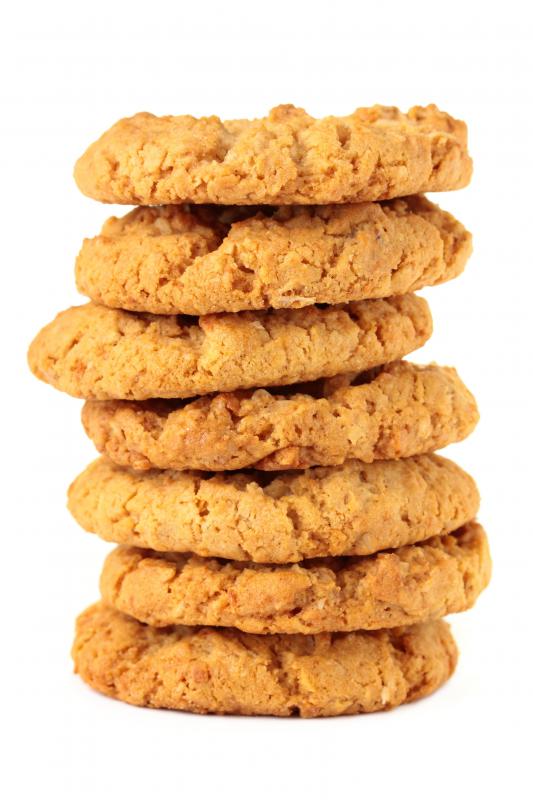
![Cookies made with non-wheat flour.]() By: S.WhiteCookies made with non-wheat flour.
By: S.WhiteCookies made with non-wheat flour. -
![Arrowroot, which can be used to make flour.]() By: UnclesamArrowroot, which can be used to make flour.
By: UnclesamArrowroot, which can be used to make flour. -
![Almonds, which can be used to make non-wheat flour.]() By: ElenathewiseAlmonds, which can be used to make non-wheat flour.
By: ElenathewiseAlmonds, which can be used to make non-wheat flour. -
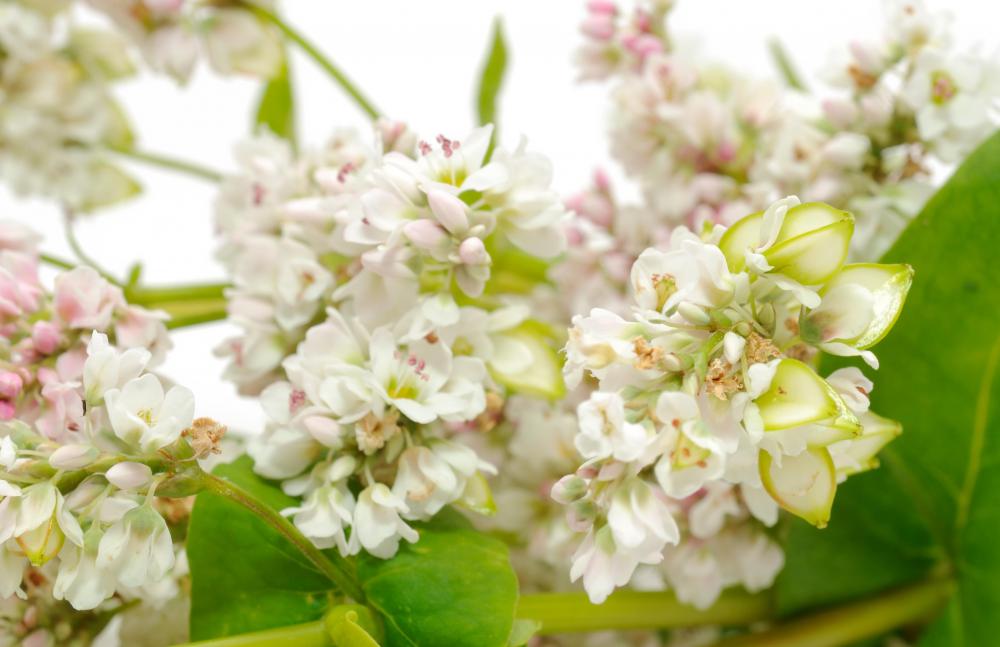
![Flour made from the buckwheat plant is a popular wheat flour alternative.]() By: VidadyFlour made from the buckwheat plant is a popular wheat flour alternative.
By: VidadyFlour made from the buckwheat plant is a popular wheat flour alternative. -
![Buckwheat flour is often used to make pancakes and pastas.]() By: monamakela.comBuckwheat flour is often used to make pancakes and pastas.
By: monamakela.comBuckwheat flour is often used to make pancakes and pastas. -
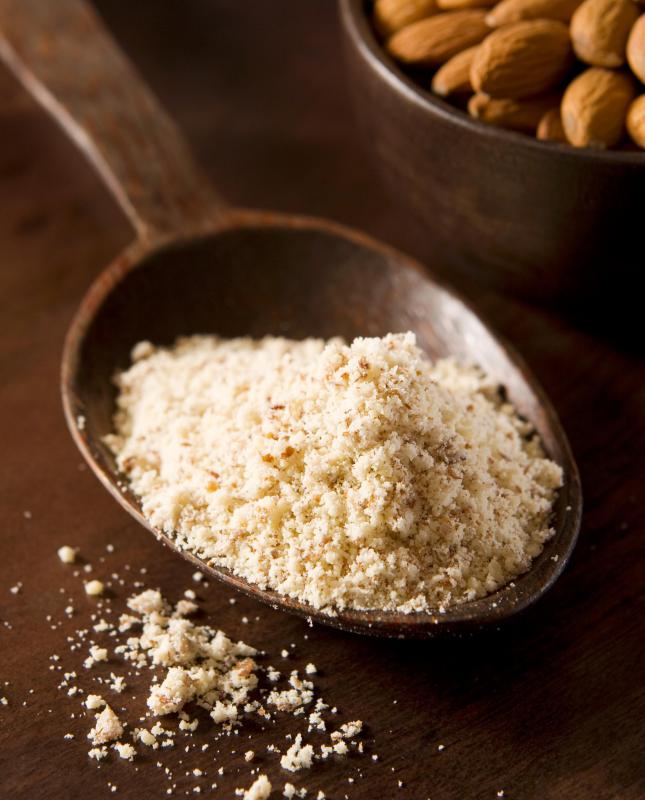
![Almond flour contains no gluten.]() By: Olga LyubkinAlmond flour contains no gluten.
By: Olga LyubkinAlmond flour contains no gluten. -
![Wheat flour must be avoided by those with wheat allergies or gluten intolerance, prompting the demand for non-wheat flours.]() By: Studio GiWheat flour must be avoided by those with wheat allergies or gluten intolerance, prompting the demand for non-wheat flours.
By: Studio GiWheat flour must be avoided by those with wheat allergies or gluten intolerance, prompting the demand for non-wheat flours. -
![Chestnut flour consists of finely ground chestnuts.]() By: PhotofolliesChestnut flour consists of finely ground chestnuts.
By: PhotofolliesChestnut flour consists of finely ground chestnuts.







Discussion Comments
I wondered how they made pasta gluten-free. They must use some of this non wheat flour as a flour substitute to make their non wheat pasta! I just didn't think flour was possible without the wheat.
I have tried several gluten-free pastas and found you really have to try a couple, don't just try one and give up thinking it will never taste as good as the regular pasta! There are quite a few tasty ones out there and the type of pasta, whether you get penne or spaghetti seems to make a difference in my opinion.
Just don't get me started on gluten-free beer! I haven't found one that is a good substitute yet!
My friend is not a huge eater of baked goods, as she has read some anecdotal stories that gluten which of course is found in flour can exacerbate narcolepsy.
So while she is not convinced that the gluten is the total cause of her difficulty staying awake at times, she says she has felt more energetic since she has reduced her gluten intake.
When she does do some baking, she finds it easy to do gluten free baking of staples such as cornbread, muffins, and cookies. She has shown me that there is sometimes not only at least one gluten-free choice for those staples, but sometimes there is a whole section in the organic section of stores that will have a gluten-free section.
I had her gluten-free cornbread once and it wasn't half bad, it was of the sweet cornbread variety, which is my favorite!
I am unable to tolerate wheat flour. I like to use tapioca flour in desserts.
This flour is derived from the cassava root. It contains no grains whatsoever. It makes a great thickening agent for puddings and pies.
My husband’s favorite dessert is butterscotch pie. I add tapioca flour to the batter to thicken it up and make it more pudding-like. It gives it a good flavor, too.
I have heard of people using tapioca flour to thicken soups. My cousin said she used it in her butternut squash soup. This soup had a slightly sweet flavor to it, so I can see where tapioca flour might fit into the mixture.
@OeKc05 - I love cornbread! I like the kind without the sugar in it, though. I find it goes better with savory foods like meat and vegetables if it doesn’t have that sweetness to it.
I normally don’t like pork chops, but if I have a large slice of cornbread to split open and insert them into, I will eat them. They are even better with a thin slice of tomato inside to give the pork some juiciness.
I love fried okra with tomatoes and cornbread. I use cornmeal to bread the okra, so the texture matches that of the cornbread, and they go together so well. The slick texture and juice of the tomatoes provides excellent contrast to the okra and cornbread. I like to eat a bite of tomato after a bite of the other two.
Here in the South, we call corn flour “cornmeal.” We use it to make cornbread. Some people who cook a big dinner every night have cornbread every night.
Recipes vary, but basically it contains cornmeal, milk, an egg, and sometimes a pinch of sugar. It is cooked in either muffin tins or a round pan or skillet in the oven. I have even seen special cornbread tins that have corn cob-shaped molds that you pour the batter into for baking.
The cornmeal gives cornbread its distinctive gritty texture. It is very good when served with a touch of butter and black-eyed peas, lima beans, or green beans. Some people like to soak up the vegetable juices with the cornbread and eat it that way. My dad even dunks it into a glass of milk.
I have a friend who is allergic to wheat gluten. He cannot eat the cupcakes or cookies that we always have at work when someone has a birthday. He also has to stay away from the doughnuts the boss brings every Friday morning.
He had to learn how to make his own bread from non-wheat flour. I don't know the specifics, but it is some type of rice flour. He also uses it to make rice cakes for snacks.
When he goes to a restaurant, which isn't that often, he usually is stuck with ordering a salad. Sometimes he can find just meat and vegetable dishes that don't include pasta or bread on the menu, but usually he just eats at home to play it safe.
Interesting. I've never heard of keeping flour in the fridge or the freezer. It sounds like a great way to keep it fresher and bug free if those are problems.
I always keep my flour in the refrigerator, however, I have found out that you can also keep the flour in the freezer, and in microwave, when not in use. Those places will keep the flour from absorbing moisture, and also bugs will have no chance to infest it.
Post your comments