
At TheHealthBoard, we're committed to delivering accurate, trustworthy information. Our expert-authored content is rigorously fact-checked and sourced from credible authorities. Discover how we uphold the highest standards in providing you with reliable knowledge.
What is Nocturnal Hypoglycemia?
 Mary McMahon
Mary McMahon
Mary McMahon
Nocturnal hypoglycemia is a drop in blood sugar levels while a patient is sleeping. It is most commonly seen in patients with diabetes, and can pose serious health risks if it is not managed appropriately. One problem with hypoglycemia in general is a phenomenon called hypoglycemia unawareness, where people may not realize they have dangerously low blood sugar because the symptoms are often subtle, and this can be an especially big problem with drops at night, when patients aren't awake to take note of even slight physical changes.
In patients who need insulin therapy, nocturnal hypoglycemia can be a reflection of the need to change the dosage or switch medications. It can also happen when people do not eat a snack before bed, don't monitor their levels enough, or exercise heavily before bed and fail to make up for it with additional nutrition. Patients with nocturnal hypoglycemia will experience night sweats and can wake up with a headache and a feeling of being generally run down. Their blood sugar levels in the morning may also be very low.

A risk with drops in blood sugar overnight is the development of convulsions or, in extreme cases, coma. In addition, cardiac arrhythmias can appear in patients with low blood sugar, and these may be life threatening. Over time, permanent damage to the patient's organs may occur because of the fluctuating blood sugar levels, and patients can develop complications of diabetes, like neuropathy, where the peripheral nervous system is damaged and impaired sensation, numbness, and tingling occur.

There are several ways patients can approach management of nocturnal hypoglycemia. Monitoring blood sugar levels more closely and adjusting insulin injections may help, as can switching drugs to get longer-acting medications to keep blood glucose levels more stable. Patients not in the habit of snacking before bed should start, and it may be necessary to adjust the timing of an exercise program to avoid creating a blood sugar crash during the night. Waking up to check blood glucose around three in the morning may be recommended in some cases.
Partners of people with diabetes should be alert to the signs of nocturnal hypoglycemia, as the patient may not notice. If someone starts sweating a lot at night, develops labored breathing, seems unusually sluggish in the morning, or experiences convulsions during sleep, a trip to the doctor is in order to find out more. Catching this problem early can head off long term damage and improve quality of life for the patient significantly.
Mary McMahon
Ever since she began contributing to the site several years ago, Mary has embraced the exciting challenge of being a TheHealthBoard researcher and writer. Mary has a liberal arts degree from Goddard College and spends her free time reading, cooking, and exploring the great outdoors.
Learn more...
Mary McMahon
Ever since she began contributing to the site several years ago, Mary has embraced the exciting challenge of being a TheHealthBoard researcher and writer. Mary has a liberal arts degree from Goddard College and spends her free time reading, cooking, and exploring the great outdoors.
Learn more...AS FEATURED ON:
AS FEATURED ON:


-
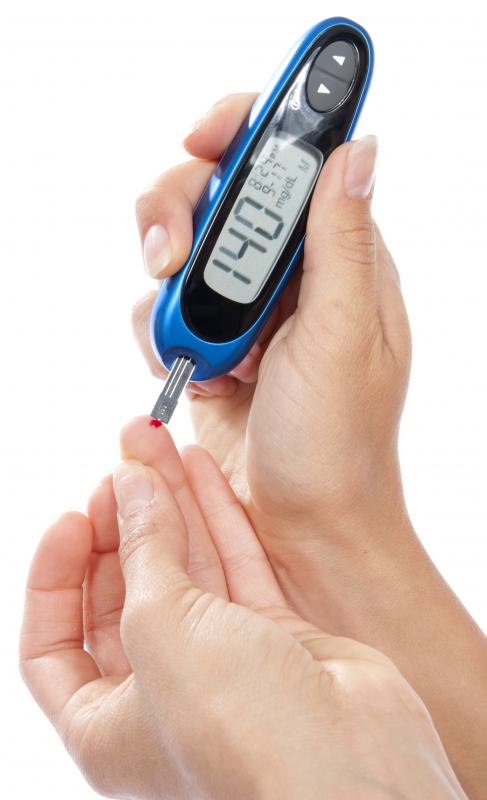
![A person with hypoglycemia checking her blood glucose levels.]()
A person with hypoglycemia checking her blood glucose levels. -
![Nocturnal hypoglycemia can sometimes be prevented by adjusting insulin injections.]() By: KuruanNocturnal hypoglycemia can sometimes be prevented by adjusting insulin injections.
By: KuruanNocturnal hypoglycemia can sometimes be prevented by adjusting insulin injections.

Discussion Comments
Has anyone noticed a connection between nocturnal hypoglycemia and reproduction hormones? I feel like my hypoglycemia gets worse during the time of the month.
It's a horrible feeling to wake up at night sweating, disoriented and so tired. I usually eat something small when I do wake up like this and sometimes I have a whole meal before I sleep. But what has made the most difference is cutting out alcohol altogether. I don't drink at all anymore.
Unfortunately, this routine hasn't eliminated my issues, but it has made it better.
What foods are best to eat before going to bed to avoid low blood glucose levels at night?
Post your comments